

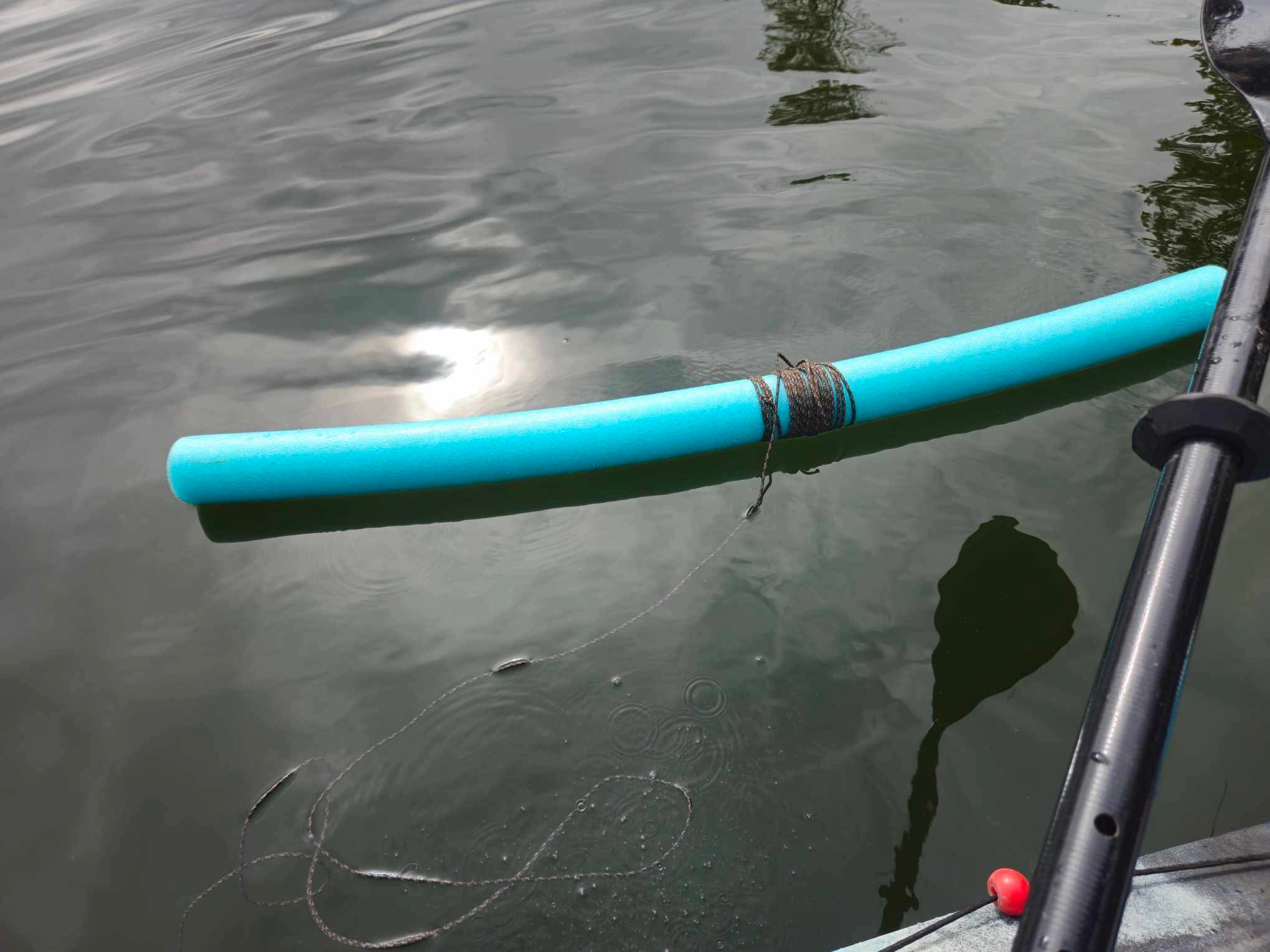
Local Angler Discovers Hidden Cages Before Major Competition
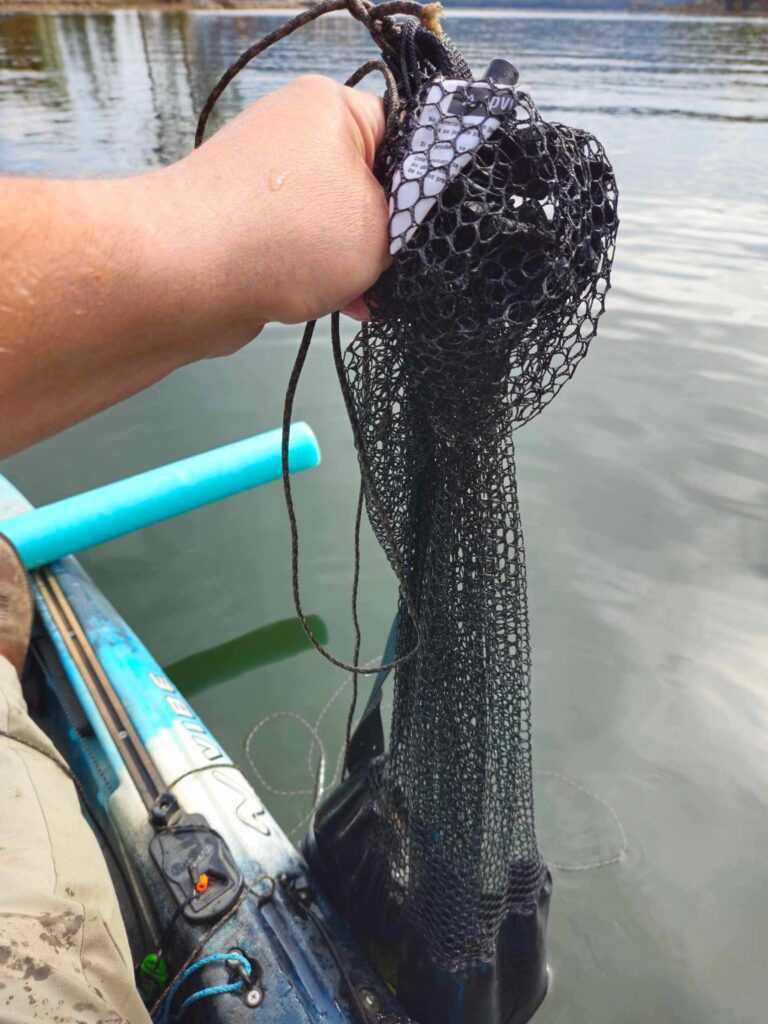
SMITH MOUNTAIN LAKE – The discovery of three illegal fish-holding devices in the past month has exposed a dark side of competitive bass fishing that threatens the integrity of the sport. The most recent find came just days before a high-profile tournament with a significant cash payout, raising serious questions about how widespread cheating has become in local and national bass fishing competitions.
“Where are all the cages and nets buried on Smith Mountain Lake?” asks local tournament angler who made the discoveries. “My team keeps finding these devices, and honestly, it makes you wonder how many more are out there.”
The illegal practice involves anglers planting wire cages or nets filled with bass in strategic locations before tournaments begin. During competition, cheaters return to these spots, retrieve the pre-caught fish, and claim them as legitimate catches. It’s a scheme that undermines honest competitors and damages the sport’s reputation.
A Sport in Crisis
The cheating problem extends far beyond hidden cages. According to tournament organizers, 2025 became known as the year the “no information rule” was repeatedly violated. This rule prohibits anglers from sharing details about fish locations and patterns during competitions. Violations occurred at every level—from elite professional circuits down to weekend club tournaments.
Major League Fishing has announced new regulations for 2026, including restrictions on Forward Facing Sonar technology and requirements for co-anglers to help monitor rule compliance. But many in the fishing community question whether new rules alone can solve a problem rooted in human character.
“Cheating of any sort is wrong,” the local angler stated. “But the stakes have gotten so high. Entry fees can be thousands of dollars, and the pressure to win is intense.”
The Real Cost of Cheating
Tournament fishing has changed dramatically in recent years. What was once a gentleman’s sport has become increasingly competitive and commercial. Sponsors demand results. Social media followers expect constant success. The pressure to perform has never been greater.
“We’ve become a country obsessed with likes and follows on social media,” the angler observed. “Everyone wants approval from their friends and peers. Some people are willing to do whatever it takes to get that check or that glory—even if it means cheating.”
The financial stakes are real. Entry fees for major tournaments range from hundreds to thousands of dollars. Top prizes can reach six figures. For some anglers, winning means securing sponsorships, building a brand, and turning fishing into a career.
But the cost of cheating goes beyond money. It destroys trust among competitors. It steals opportunities from honest anglers who spend countless hours perfecting their craft. It threatens the future of organized bass fishing.
A Call for Accountability
The angler who discovered the illegal devices has taken a strong public stance. “I’ve asked my followers to destroy any cage or net they find,” he said. “I’ve worked incredibly hard to build The Bass Cast and get where I am today. Watching someone take the easy route makes me sick.”
His message to the fishing community is clear: Report suspicious activity. Hold each other accountable. Don’t let cheaters win through silence.
Tournament directors are responding with stricter enforcement and harsher penalties. Polygraph tests are becoming more common at major events. Some organizations have implemented lifetime bans for proven cheaters. Technology like live streaming and GPS tracking is making it harder to cheat undetected.
Hope for the Future
Despite the current crisis, many in the bass fishing community believe 2026 can mark a turning point. New rules, better enforcement, and a cultural shift toward accountability offer hope for cleaning up the sport.
“Sin has always been in the heart of people,” one local angler reflected. “But we can see real change in 2026. It can be a new year for tournament bass fishing.”
The path forward requires action from everyone involved in the sport. Tournament organizers must enforce rules consistently. Sponsors should support only anglers who compete with integrity. Most importantly, individual anglers must choose honor over victory at any cost.
“Let’s think before we act,” he urged fellow anglers. “Let’s consider our words before we speak. Maybe each of us can be the change we’ve all been looking for in the years ahead.”
The water holds plenty of fish for those willing to catch them honestly. The real question is whether anglers will choose the harder, honorable path—or continue down the easy route that ultimately destroys what they claim to love.
For those who love competitive bass fishing, the answer must be clear: Fish hard, fish fair, and fish with honor. The future of the sport depends on it.
bass fishing, bass fishing tips, best bass lures, bass fishing techniques, largemouth bass, bass fishing videos, bass lures, how to catch bass, bass fishing gear, smallmouth bass, bass fishing rods, bass fishing reels, bass tournaments, bass fishing bait, fishing for bass, bass fishing lakes, bass fishing season, bass fishing guides, bass fishing charters, bass fishing reports, best bass fishing, bass fishing tackle, bass fishing spots, bass fishing tournaments, striped bass fishing