B.A.S.S. Extends ‘No-Info Rule’ For The Bassmaster Elite Series And Bassmaster Classic
[print_link]
BIRMINGHAM, Ala. — From the earliest days of professional fishing a half-century ago, the most important skill an angler could have is the ability to find the biggest schools of bass. That, more than casting ability or lure selection and presentation, sets the greats in the sport, men like Roland Martin, Rick Clunn and Kevin VanDam, apart from the rest.
With the start of the 2018 Bassmaster Elite Series, that fish-finding wizardry will be even more vital, thanks to a new Elite Series rule that went into effect today.
“Beginning at the time the Elite Series schedule is announced next week, anglers are prohibited from soliciting or intentionally receiving any information about the locations of fish or fishing areas on those waters,” announced B.A.S.S. Tournament Director Trip Weldon.
Also effective immediately, Elite Series competitors may not obtain or solicit information about locating fish on Lake Hartwell, South Carolina, site of the 2018 GEICO Bassmaster Classic presented by DICK’S Sporting Goods. Anglers who earn an invitation to fish the Classic through other Bassmaster circuits or events will have to abide by the rule as soon as they qualify, even provisionally, for the event. For example, winners of Bass Pro Shops Bassmaster Opens Series events must abide by the no-info rule beginning as soon as they win an Open.
According to current Elite Series rules — which are already among the most stringent in tournament competition — anglers may not be on a fishery or obtain information about fishing it for four weeks prior to an event. Under the new rule, anglers may still practice on the lake until 28 days prior to the start of official practice, but from the time the schedule is announced, they cannot have the help of anyone familiar with the fishery.
“This new rule is supported overwhelmingly by the Elite anglers themselves,” said Weldon, referring to a recent survey in which more than 80 percent of Elite Series anglers responding supported extending the “no-information” period to a much earlier date. “This change not only helps level the playing field, but it also puts a premium on the all-important ability to find, as well as catch, bass.”
B.A.S.S. will announce eight of the 11 Elite Series events for 2018 in a special video program on Bassmaster.com beginning at 11 a.m. CTMonday, July 10. The new no-information rule will become effective for those events at the same time. The rule will also apply to fisheries for three other Elite tournaments — the Toyota Bassmaster Texas Fest benefiting Texas Parks and Wildlife Department, the Toyota Bassmaster Angler of the Year Championship and the Bassmaster Classic Bracket tournament — as soon as they are announced later this year.
This week’s guests were FLW Touring Pro Tom Monsoor and Bass Fishing Legend Bill Dance.
If you missed the show, you can listen to the podcast here.
Visit our sponsors page and tell them Pat sent you! If you would like to advertise on Set the Hook! with Pat Rose, give us a call at (423) 314-4541. Put Set the Hook! with Pat Rose to work for you.
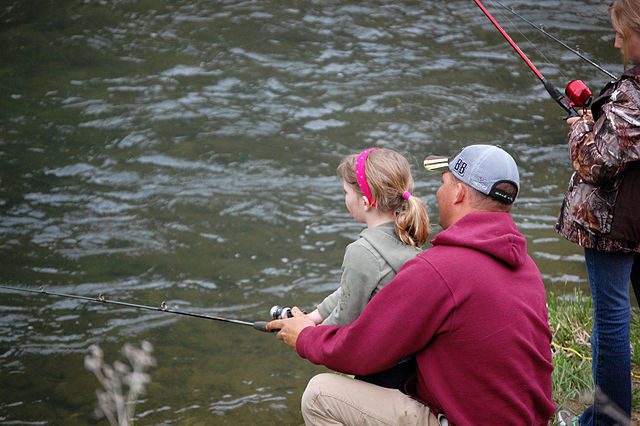
Few memories last as long as those surrounding your first fishing trip. You probably still remember the sights, sounds and smiles of the occasion vividly, and you probably look back on the outing fondly. Now, so many years later, it is time to introduce your children to angling.
You certainly don’t have to do anything fancy to introduce children to the sport, but it helps to have a good game plan in place.
After all, you may be introducing your children to a lifelong hobby, and you want to get started on the right foot.
This means that it is best to use cane poles or spinning reels instead of bait-casting gear or other complicated systems.
You should probably start young children out by fishing with a bobber and live bait, instead of lures, which is more likely to become snagged on the bottom, and will take some skill to cast and retrieve properly.
Additionally, kids will often appreciate being able to see their float bounce and bob around in the water, rather than trying to use a submersible lure, which requires them to feel and interpret the location of the bait.
To fish this way, you’ll need
A pole strung with lightweight (4- to 8-pound-test will suffice) fishing line. To this, you’ll need to attach a float or bobber, with a small hook (#8 to #12) tied to the end of the line.
A live bait of your choice can then be threaded on the hook. Sometimes, you may need to attach a bit of split shot to the line between the bobber and the hook, to keep the bait from floating up in the water.
Remember that your youngster may not be comfortable wielding a standard fishing pole, so consider using down-sized gear. This will make it easier for them to cast and retrieve their lure, as well as land any fish they manage to hook.
When you are heading out to fish with the kids, try to select a place that will suit them best.
Typically, this means a place with a long, open stretch of bank or a roomy dock; if you have access to a boat, you have more flexibility, but you still want to select a location that will work best for the kids.
Here are couple of other things to keep in mind when trying to choose the fishing spot:
1) Young anglers often have difficulty casting and they are likely to get their lures snagged on every object in the vicinity, so try to pick a wide-open location, without a lot of trees, rocks or weeds.
2) You also want to avoid crowded locations, to help ensure everyone stays safe and that your children won’t disturb other anglers.
3) Remember that children have short attention spans and fishing is an activity that requires patience. The best way to keep them focused on the task at hand it to catch fish; kids won’t enjoy staring at a float for very long unless they are getting nibbles.
Accordingly, you should target easy-to-catch species and try to fish in locations that are full of them.
4) Finally, don’t forget that children will need easy access to a bathroom, and they’ll probably want drinks and snacks during the outing.
Refreshments are easy to bring from home, but you may have to do a little homework to find a suitable fishing location with nearby bathrooms. Small ponds at local ponds are often a good option, and these locations often provide easy fishing opportunities for the kids.
Types of Fish Worth Targeting
Typical day at the stock trout ponds…
Some fish species make better targets for young kids than others do. For example, largemouth bass are often sage inspectors of lures, and it can take all of the finesse an experienced adult can muster to entice them to bite.
Accordingly, they aren’t usually a good species to target with first-timers. The same could be said of many other species, such as trout and walleye.
However, several other species are well-suited for young anglers. This includes:
Panfish
Although this primarily means bluegill, most of what can be said about bluegill applies to other panfish, including green sunfish, shell crackers and red-breasted sunfish.
Bluegill and their relatives can often be caught throughout the day, and they tend to congregate in distinct areas, which means that once you find one, you can probably find more in the same spot.
Catfish
Catfish often take more patience to catch than panfish, but they also give your child a chance to drag up a reasonably big fish. Also, children may be amused by some of the more unusual baits used to catch catfish, such as hot dogs and grapes.
Catfishing is traditionally done at night, but you can catch catfish at any hour of the day.
Stocked Trout
Trout living in rivers or large lakes are not easy for children to catch.
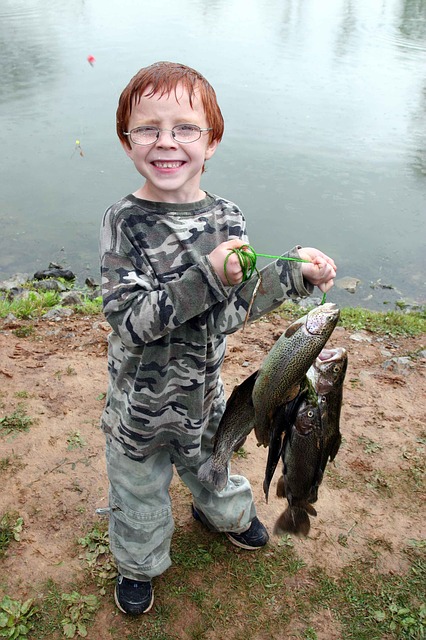
However, many places provide stocked trout ponds, specifically designed for young anglers. These ponds tend to have a no-catch, no-pay policy, so the owners do their best to keep the trout hungry and accustomed to the presence of people, which makes them pretty easy for youngsters to catch.
As a bonus, many such places have tackle the kids can use for a small fee, which alleviates the need to purchase their gear.
The Best Baits for Young Anglers
Bait selection is a controversial topic among adult anglers, but when fishing with children, it’s best to keep things simple.
Your basic choices include worms, crickets and bread.
Each has its own set of benefits and drawbacks, but any of the three can help you achieve success with your kids:
Worms – Worms are the quintessential fish bait, and they work very well for most species you’re likely to target with your kids including panfish and catfish, as well as more ambitious quarry, such as bass and trout.
Worms are available at virtually every bait store in the world, but you can also go digging for them yourself. In fact, your kids may find this part of the outing more fun than actually fishing.
Many people make the mistake of using the biggest worms – usually nightcrawlers – they can find; however, many times, red wigglers, which are much smaller, work best for bluegill.
Crickets – Crickets are also very effective bait, and they often elicit more strikes than worms do (particularly in heavily fished places, in which the local panfish become wary of worms). They also work better with small hooks than worms do, and are often less vulnerable to “bait thief” fish.
Crickets are often a bit more difficult to find at bait shops than worms are, but you can often purchase them at larger pet stores, who sell them at very affordable prices as food for lizards and turtles.
You can also try to catch your own crickets, although grasshoppers – who work nearly as well – are often easier to catch en masse.
Bread – In some places, particularly those with dense populations of bluegill, catfish or carp, you can often catch fish with nothing more than a bit of bread.
Squish the bread up into a small ball and just stick it on the hook as though it were a cricket or worm. Bread doesn’t last very long in the water, but because it isn’t “gross,” many kids will enjoy learning to bait their own hook with bread when necessary.
Always be sure to investigate the rules and regulations in effect before heading out to the fishing hole.
Most municipalities and jurisdictions allow youngsters under an established age to fish without obtaining a license of any kind, but the age at which this occurs varies.
You don’t want to end up on the wrong side of the law on your child’s very first fishing trip, so make sure you find out the relevant laws and follow them to the letter.
Some municipalities host “free fishing” days for kids or families, which can give you a chance to gauge your youngster’s enthusiasm for the activity before outlaying significant funds. Additionally, many locations allow fishermen and fisherwomen of all ages to fish private lakes without obtaining a license, and this is worth investigating.
Don’t forget to familiarize yourself with all of the other pertinent rules too. Be sure that you know the legal seasons for fishing, any species-specific regulations that are appropriate and tackle limitations.
Teaching the Importance of Conservation
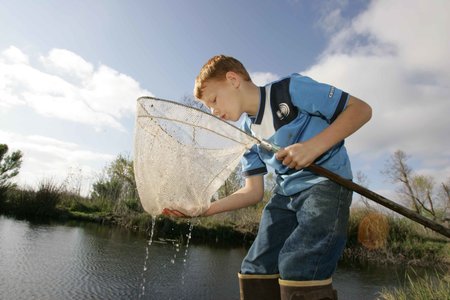
When you introduce your children to fishing, it is important to consider the totality of the event. This not only means catching fish, staying safe and having fun, but it also means understanding the importance of conservation and empathy.
For example, while it is perfectly acceptable to catch some fish for the dinner table every once in a while, recreational anglers should practice catch-and-release fishing.
Explain the basic principle of the practice to your child as well as the reasons for doing so. Most kids will be only too happy to help protect the fish, and you’ll have started your young angler’s fishing career on the right foot.
Teach Them Good Habits Early On
Additionally, as most experienced anglers are already aware, litter is a big problem around many lakes and rivers. Many popular fishing locations are lousy with old lures, bait cups and bundles of line, all of which threaten wildlife and ruin the aesthetics of these otherwise-gorgeous locations.
Point out examples of litter to your youngsters and discuss its impact on the local environment. Impress upon them the importance of proper trash disposal and consider bringing along a small trash bag to collect some of the debris strewn on the ground (keep safety in mind: don’t allow them to pick up broken glass or lures with sharp hooks).
Have a Blast!
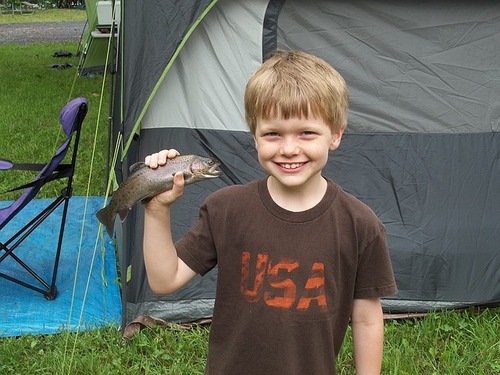
Above all else, make sure that your child’s first fishing experience is fun.
You’ll need to remain patient and flexible to do so, but the rewards will justify your efforts.
After all, fishing is fun – you just need to show them that it is. Don’t worry if your 6-year-old is more interested in feeding the ducks than catching fish. She’s still hanging out with mom or dad by the lake, which is still a valuable experience.
Make It Easy
Similarly, be ready to give up the best casting angles and fishing spots to your kids to ensure they have the best chance of catching fish. This is especially important for older children, who may become frustrated if they aren’t successful.
You can even consider casting and setting the hook yourself, and then passing the rod off to your young one, who can then reel in the giant fish – this is, after all, the fun part.
Take Breaks
Don’t be afraid to allow your youngsters a bit of a break every so often. They may have an hour of fishing in them, but they may not be able to harness this whole hour at one time.
You may be surprised how a 15-minute-break spent chasing their siblings or looking at birds through binoculars will recharge their interest in fishing.
Fishing Comfortably
Also, remember that comfort goes a long way with children.
Make sure to dress them appropriately for the weather, and bring along all the necessary sun screen and bug spray you need to keep them happy.
Just like you, they’ll remember the sights and sound
Bass Edge’s The Edge – Episode 259 – Fletcher Shryock
July 1, 2017
Bass Edge Radio, presented by MegaWare KeelGuard features Major League Fishing Angler Fletcher Shryock in this most recent episode of their top-rated podcast. Bass Edge hosts Aaron Martin and Kurt Dove discuss with Fletcher his recent Major League Fishing and BASS Elite Series success as well as flipping and pitching techniques.
If you missed the show, you can listen to the podcast here.
Visit our sponsors page and tell them Pat sent you! If you would like to advertise on Set the Hook! with Pat Rose, give us a call at (423) 314-4541. Put Set the Hook! with Pat Rose to work for you.
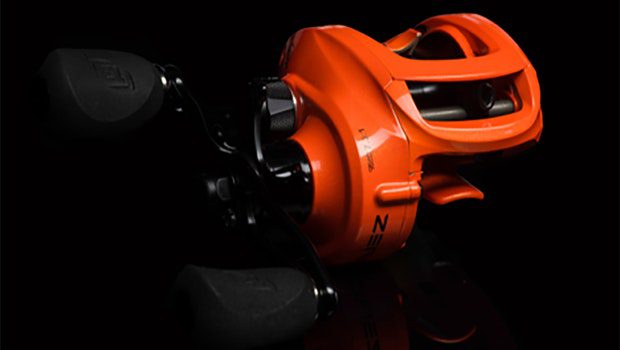
Popular rod and reel manufacturer has just released its newest creations.
Concept Z
The Concept Z is the world’s first high-performance reel with zero ball bearings. While reels with “no bearings” have been produced in the past, none are able to deliver high performance casting and accuracy like the Concept Z. This level of performance is due to 13 Fishing’s high-tech polymer Concept Zero Bearings (CZB) which are engineered and manufactured in the USA.
Traditional bearings have moving parts that corrode, break down, and lose their performance edge over time. CZB technology allows the Concept Z to maintain its peak casting performance because the material experiences no corrosion. CZB technology is extremely quiet while casting, offering the angler a completely new experience.
MOUNT IDA HIGH SCHOOL WINS TBF/FLW HIGH SCHOOL FISHING NATIONAL CHAMPIONSHIP ON PICKWICK LAKE
[print_link]
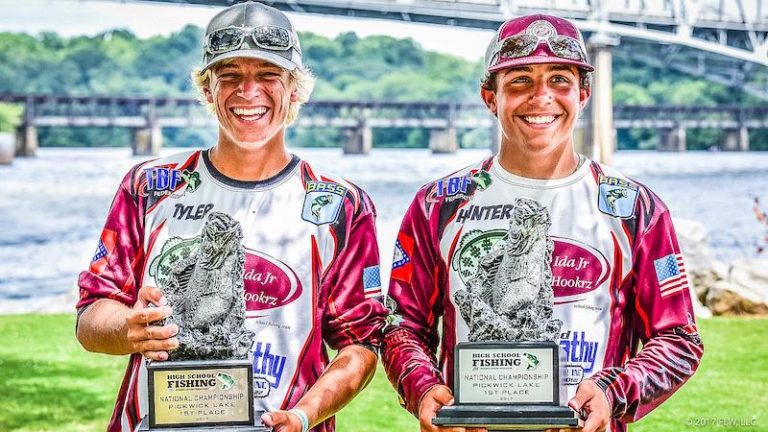
FLORENCE, Ala. (July 5, 2017) – The Mount Ida High School duo of Hunter Davis and Tyler Allenbrand, both of Mount Ida, Arkansas, brought a five-bass limit to the scale Friday weighing 23 pounds, 10 ounces to win the 2017 TBF/FLW High School Fishing National Championship on Pickwick Lake in Florence, Alabama with a three-day total of 53-6. The win earned the team trophies, the title of national champions and each angler a $5,000 scholarship to their college of choice.
A field of 142 teams competed in the event, which launched from McFarland Park in Florence. The Mount Ida duo won by a 1-pound, 14-ounce margin over the second place team of Cal Culpepper and Mason Waddell from Georgia’s Harris County High School, who weighed in a three-day total of 51-8.
Coached by professional Bassmaster Elite Series angler Mark Davis, Hunter’s father, the youngsters from Arkansas fished two different areas to amass their heaviest stringer of the tournament. The younger Davis and Allenbrand were dragging ¾-ounce Strike King football jigs and Strike King Menace Grub trailers (green pumpkin) slowly across the bottom.
The top 10 teams on Pickwick Lake finished:
1st: Mount Ida High School, Mount Ida, Ark. – Hunter Davis and Tyler Allenbrand, both of Mount Ida, Ark., 15 bass, 53-6, $10,000 Scholarship
2nd: Harris County High School, Hamilton, Ga. – Cal Culpepper, Hamilton, Ga., and Mason Waddell, Waverly Hall, Ga., 15 bass, 51-8
3rd: North Mississippi Student Anglers – Hunter Nanney, Dumas, Miss., and Jake Kimbrough, Smithville, Miss., 15 bass, 50-11
4th: Fannin County High School, Blue Ridge, Ga. – Dalton Tankersley, Morganton, Ga., and Zack Nicholson, Epworth, Ga., 15 bass, 47-9
5th: Obion County Central High School, Troy, Tenn. – Blake Robb, Martin, Tenn., and Cody Gregory, Troy, Tenn., 15 bass, 43-1
6th: Tulsa Bass Club, Tulsa, Okla. – Taylor Hamburger, Tulsa, Okla., and Hunter Harrison, Jones, Okla., 14 bass, 42-4
7th: North Forsyth High School, Cumming, Ga. – Glenn Worley, Dawsonville, Ga., and Paul Marks, Cumming, Ga., 15 bass, 42-3
8th: Oviedo High School, Oviedo, Fla. – Fisher Omans and Steven Steinard, both of Oviedo, Fla., 11 bass, 35-1
9th: East Rowan High School, Salisbury, N.C. – Hunter Harwood, Gold Hill, N.C., and Paiton File, Salisbury, N.C., 12 bass, 32-0
10th: Arkansas Student Angler Federation – Cade Gartman and Jay Morgan, both of Trumann, Ark., 10 bass, 29-9
Complete results for the remaining teams and photos from the event can be found at HighSchoolFishing.org.
The 2017 TBF/FLW High School Fishing National Championship was a two-person (team) no-entry fee event for students in grades 7-12. The tournament featured the top anglers from the 2017 TBF High School Fishing State Championships and Bass Pro Shops FLW High School Fishing Open events.
Guests on this week’s show were Bassmaster Elite Series Pro Randy Howell and Bass Fishing legend Rick Clunn.
If you missed the show, you can listen to the podcast here.
Visit our sponsors page and tell them Pat sent you! If you would like to advertise on Set the Hook! with Pat Rose, give us a call at (423) 314-4541. Put Set the Hook! with Pat Rose to work for you.
Visibility is at least 6 feet deep and no fish are in sight anywhere in the shallows.
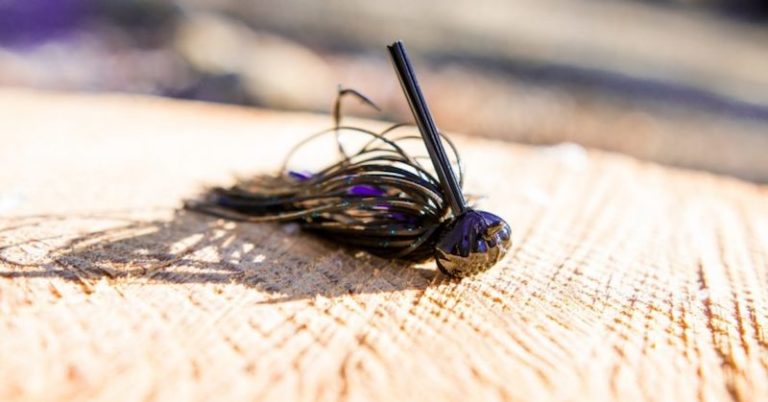
Anglers who like to pitch and flip might be tempted to change their clear water tactic when they encounter this situation. While murky water provides the ideal situation for flipping and pitching, bass can still be caught on these short-range techniques in even gin clear water if you make a few adjustments.
Pitching and flipping experts know adapting to the water color is the key to flipping and pitching in clear water. The biggest difference between pitching in dirty water versus clear water is the mood of the fish. When bass are shallow in clear, high-water conditions they are usually in the thin water to spawn or feed. If bass are in a feeding mode in clear shallow water they are going to be twice as aggressive as bass in shallow colored water.



 Adult anglers often enjoy using the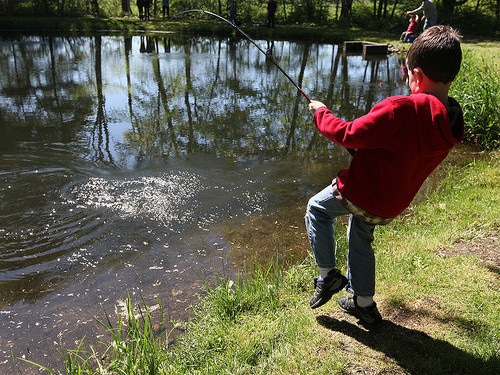
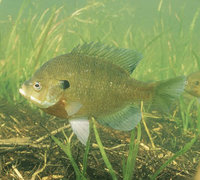 Although this primarily means bluegill, most of what can be said about bluegill applies to other panfish, including green sunfish, shell crackers and red-breasted sunfish.
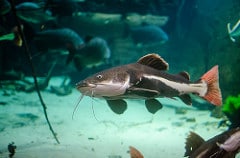 Catfish often take more patience to catch than panfish, but they also give your child a chance to drag up a reasonably big fish. Also, children may be amused by some of the more unusual baits used to catch catfish, such as hot dogs and grapes.
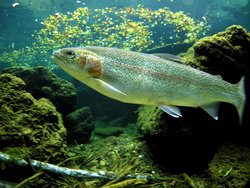 Trout living in rivers or large lakes are not easy for children to catch.
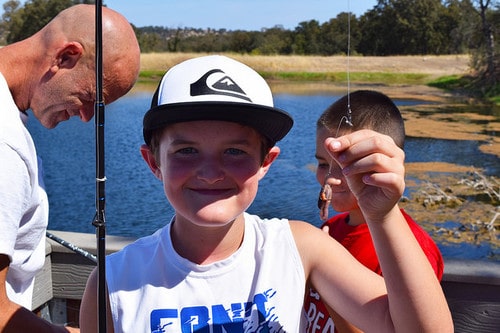 Bait selection is a controversial topic among adult anglers, but when fishing with children, it’s best to keep things simple.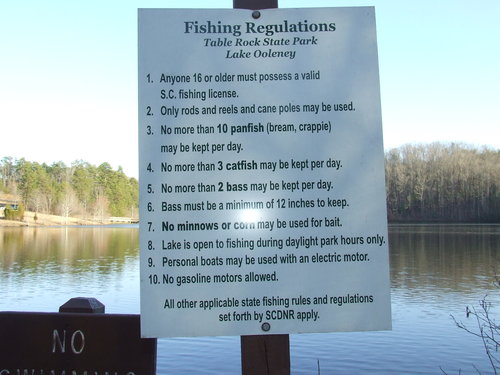
 When you introduce your children to fishing, it is important to consider the totality of the event. This not only means catching fish, staying safe and having fun, but it also means understanding the importance of conservation and empathy.
 Above all else, make sure that your child’s first fishing experience is fun.