
|
|||||||||||||||||||||||||||||||||||||||||||||||||||||||||||||||||||||||||||||||||||
|
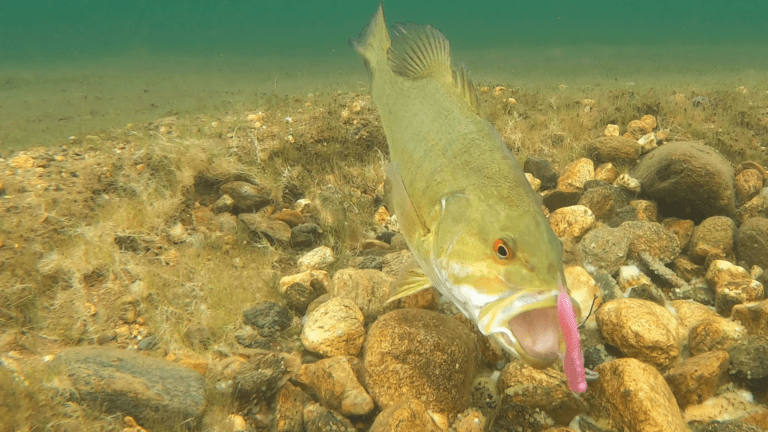
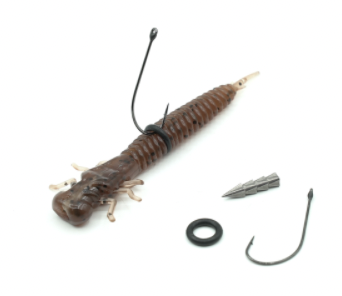
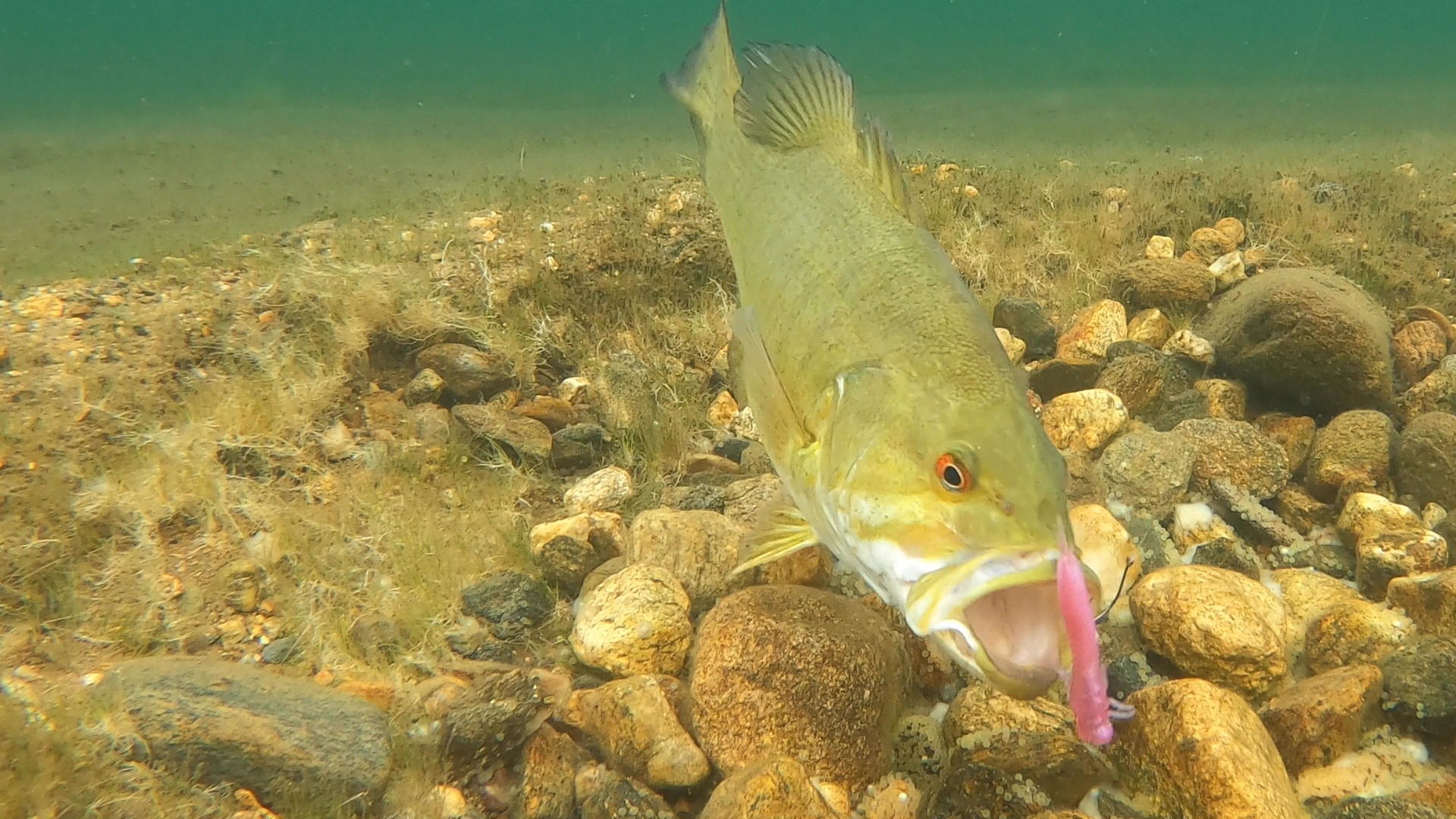
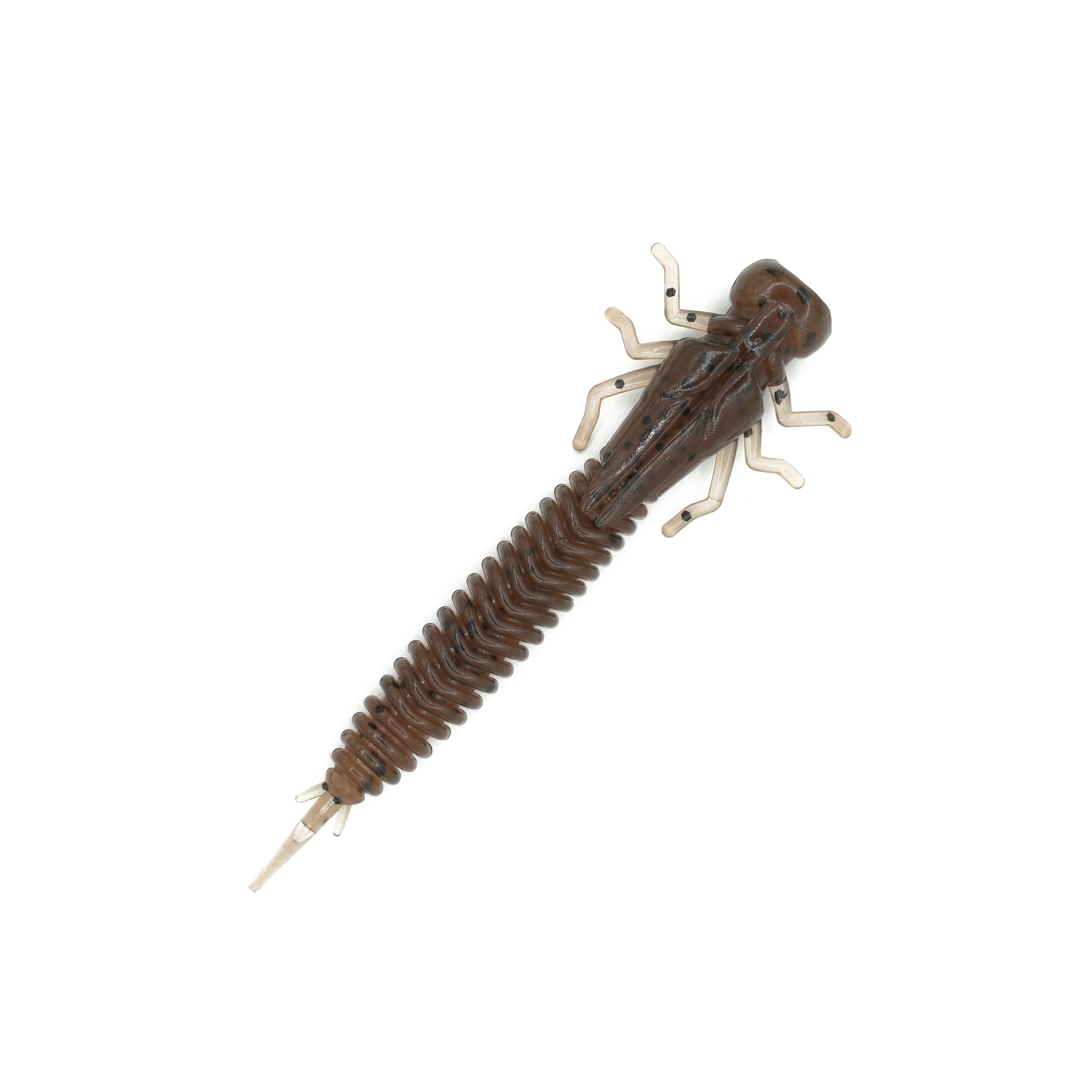
Neko Rigging Early Season! (CATCH MORE FISH) External by Fresh Baitz
Sam Rayburn Reservoir Set to Launch Toyota Series Southwestern Division Presented by Outlaw Ordnance
[print_link]
BROOKELAND, Texas (Feb. 2, 2022) – The Toyota Series Presented by A.R.E. Southwestern Division Presented by Outlaw Ordnance will launch its 2022 season with a tournament next week in Brookeland, Texas, Feb. 10-12, with the Toyota Series Presented by A.R.E. at Sam Rayburn Reservoir . Hosted by the Jasper-Lake Sam Rayburn Chamber of Commerce, the three-day tournament will feature the region’s best bass-fishing pros and Strike King co-anglers casting for a top prize of up to $65,000, plus an additional $35,000 bonus if the winner is a qualified Phoenix Boat owner.
Outlaw Ordnance, an Outdoor and Sporting Goods Company that offers custom marine graph mounts, laser engraving, coatings and fabrication along with outdoor lifestyle products and merchandise, has been announced as the presenting sponsor of the Toyota Series Southwestern Division and Plains Division.
“Outlaw Ordnance is honored to become a sponsor of the 2022 MLF Toyota Series,” said Chip Pierce, Co-Owner and Sr. Vice President of Outlaw Ordnance. “We are looking forward to launching the toughest, most versatile and most customizable graph mounts on the market.”
Tackle Warehouse Pro Circuit rookie Jeff Bridges of Prosper, Texas, who came in ninth this past weekend at the Pro Circuit season-opener on the Sam Rayburn Reservoir and said he is looking forward to hitting the water again next week.
“I think the Toyota Series event on Sam Rayburn will turn out to be a good event with heavy weights,” said Bridges. “The cold weather pushes the fish to bunch up more and pack together, so I think that we will have anglers who will find packs of fish that will really increase their numbers.
“This is the time of year that 50-pound-stringers have been caught on Rayburn,” continued Bridges. “We’ll also be coming off the cold weather into a slight warming trend, which will make the fish more active and ready to eat. So when you find them, you’re going to find a lot of them.”
Bridges said although the amount of hydrilla on the fishery is down significantly this year, there are still areas of the lake with hydrilla where a lot of the fish will live.
“Over the three-day event, I suspect it will take approximately 17½ pounds per day to get you in the top 10, and 20 pounds per day to be in the top 5,” said Bridges. “I think there will be a big sack caught as well, so I anticipate it will probably take 60 to 62 pounds to win the tournament.
“I expect crankbaits to be the big producer for the event, with the majority of the field throwing (Z-Man) ChatterBaits and (Bill Lewis) Rat-L-Traps – they will have the most consistent bite this time of year. The Carolina rig is also going to play in this event.”
Bridges said he’s excited to go back out on the fishery when it’s ramping up and his only concern is the amount of pressure it will get prior to the event.
“There was a lot of advertisement of the areas I was fishing last week, so I know those spots are going to be pressured by the time this event gets underway,” said Bridges. “I plan to get out there again and do some pre-fishing. I feel pretty good about knowing what the fish are going to do this time of year in the areas that do produce quality fish.”
Anglers will take off daily at 7 a.m. CT from the Umphrey Family Pavilion in Brookeland. Weigh-ins will also be held at the pavilion and will begin at 3 p.m. Fans are welcome to attend the event or follow the action online through the “MLF Live” weigh-in broadcasts and daily coverage at MajorLeagueFishing.com.
In Toyota Series regular-season competition, payouts are based on the number of participants competing in the event, scaling up for every 20 boats over 160 and scaling down for every boat below 160. With a 160-boat field, pros fish for a top prize of $40,000, plus an extra $35,000 if Phoenix MLF Bonus qualified. Strike King co-anglers cast for the top prize of a new Phoenix 518 Pro bass boat with a 115-horsepower Mercury outboard (valued at $33,500). With a 260-boat field, pros fish for a top award of $65,000, plus an extra $35,000 if Phoenix MLF BIG5 Bonus qualified. Strike King co-anglers cast for the top prize of a new Phoenix 518 Pro bass boat with a 115-horsepower outboard (valued at $33,500) plus $5,000 cash.
The 2022 Toyota Series Presented by A.R.E. consists of six divisions – Central, Northern, Plains, Southern, Southwestern and Western – each holding three regular-season events, along with the International and Wild Card divisions. Anglers who fish in any of the six divisions and finish in the top 25 – or the top 12 from the Wild Card division – will qualify for the no-entry-fee Toyota Series Presented by A.R.E. Championship for a shot at winning up to $235,000 cash. The winning Strike King co-angler at the championship earns a new Phoenix 518 Pro bass boat with a 115-horsepower Mercury outboard. The 2022 Toyota Series Presented by A.R.E. Championship will be held Nov. 3-5 on Lake Guntersville in Guntersville, Alabama, and is hosted by Marshall County Tourism and Sports.
For complete details and updated information visit MajorLeagueFishing.com. For regular updates, photos, tournament news and more, follow the MLF Toyota Series on the MLF5 social media outlets at Facebook, Instagram and YouTube.
BASS FISHING: The Rites of Spring
|

|
BASS FISHING: The Rites of Spring |
|
Bassin’ brothers, Jesse and Jordy Wiggins, on casting crankbaits for springtime bass |
|
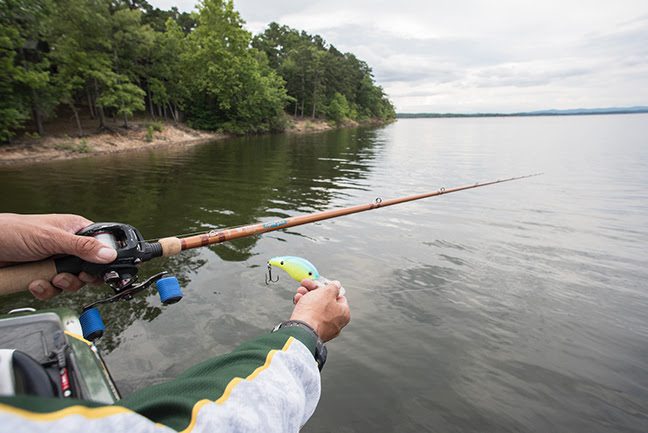
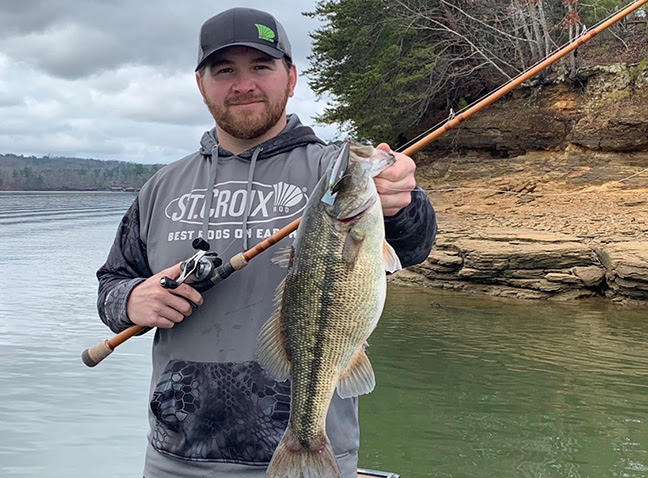
PARK FALLS, Wisc. (February 2, 2022) – Any discussion of pre-spawn bass is bound to include the topic of crankbaits. Why? Put simply, of all the baits in the boat, cranks offer distinct advantages over most other lure types, especially in the springtime. “Bass feed up in the early season before they spawn,” says Addison, Alabama MLF tournament competitor and St. Croix pro, Jesse Wiggins. “As water temps start to rise and baitfish get livelier, bass get used to chasing them.” That makes active presentations like crankbaits a favored springtime option in any angler’s arsenal. |
|
|
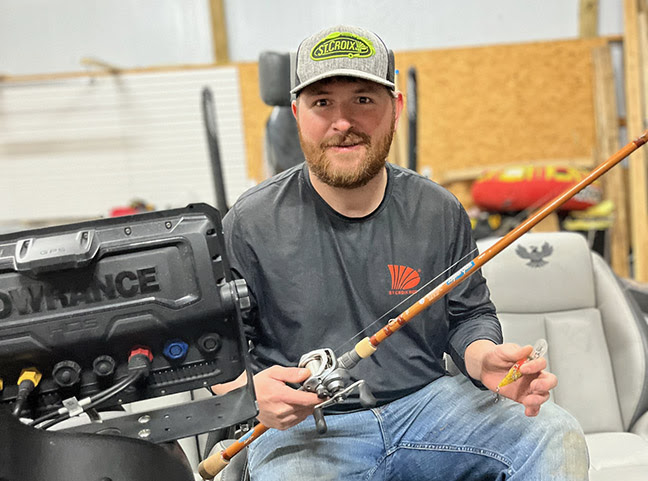
Jesse’s brother, Jordan (aka Jordy) Wiggins, resides just 30-miles east of Jesse’s stomping grounds. The other half of the Wiggins Dynasty, Jordy – a BFL and Toyota Trail angler, St. Croix pro and 2021 Bassmaster Classic qualifier – agrees with his sibling rival’s assessment on spring bait choice. “I like cranks in the spring because they cover water and fish dingy water better than about anything else,” he says. Given spring conditions often involve rainy days and resulting runoff that creates the cloudy water Jordy refers to, cranks become a critical pre-spawn consideration. |
|
|
Yet there’s more to spring cranking than ripping down the bank with big-billed wobble baits. The brothers Wiggins have some differing thoughts when it comes to the best approaches and effective details that contribute to a great springtime day in the boat. Much of the method to their madness is dictated by water bodies, clarity as already mentioned, but also cover and structure. They agree, however, that no matter the variables, anytime you’re throwing a crankbait come spring, you’re increasing your odds of contacting active fish. The Approach To be clear, the Wiggins boys don’t just huck hard baits with trebles because it’s an effective tournament tactic; they also do it because it’s fun. True, both anglers’ tournament successes have been heavily crankbait-centric; it’s a technique their dad – tournament angler, Craig Wiggins – taught them in their earliest days of fishing. “I just like actively cranking and feeling what the bait is doing the whole time,” says Jesse. “You feel exactly what that bottom or piece of structure is, and there’s no mistaking when the fish actually eats the bait. It’s a great way to get bit.” Jordy confirms, “If it’s spring, you’ll usually catch my brother Jesse throwing a square-bill whether close to shore or fishing off the bank a ways.” |
|
|
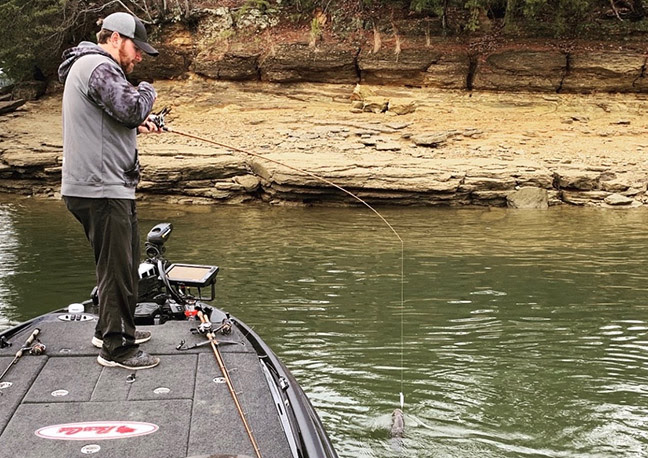
Jordy continues, “I like to look for rocks and clay. As that water warms up faster, the crawfish are up in that clay especially.” Fishing near the bank then, becomes a matter of looking upslope and identifying likely lakeshore where clay and rock areas extend well underwater. “Bluff and sandy points aren’t as much in play for the lakes I fish,” Jordy adds. “It’s just not as productive as that clay is. The fish are where the forage are.” Jesse takes a slightly different approach, biding his time away from the bank, at least at first. “I like outside channel swings,” he says. “Fish stop and concentrate here before they move up onto adjacent flats to spawn. If you think about it, it’s just another bank – but this one starts its break in a few feet of water and continues down to the bottom of the channel. I use the chart on my electronics and imagine a wall where that channel is. I fish down that wall on the deep side earlier in the spring, then focus on adjacent flats with stump fields as we get closer and closer to spawn.” Both brothers feel strongly that there’s less chance to get bit in clean water; “clean” in terms of both turbidity and the amount of cover and structure present. “I need that lure to be banging into something. You simply have to come into contact with cover,” says Jesse. Jordan supports that statement, saying, “It just has to be hitting stumps, hard clay, rocks, laydowns, really anything.” That contact and deflection off of cover is what makes squarebill crankbaits such an obvious choice in the spring, whether operating out from the bank, or nearly on it. “Squarebills just deflect so well,” says Jesse. “They’re pretty forgiving, and seem to ride through the thick stuff better, which is exactly when I expect to get hit.” |
|
|
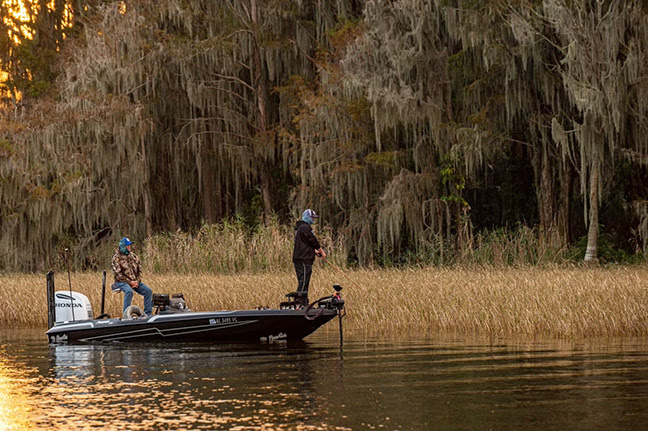
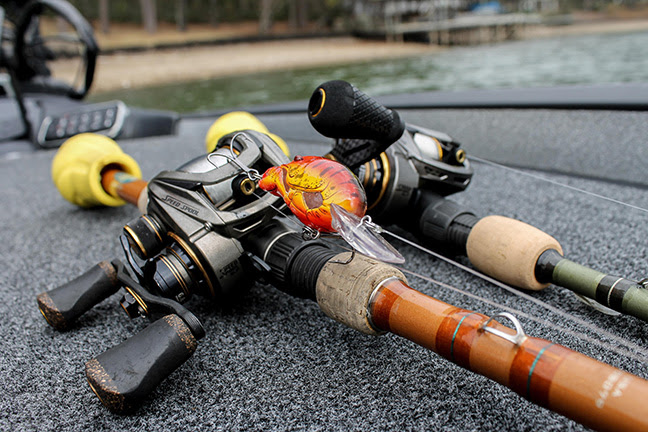
Jordy prefers running up and down the bank until he’s contacting the kinds of cover and structure he’s looking for or targeting main-lake points. “I’ll fish down the bank on that point, or across it, but some days I get more fish setting up on the point with a deeper diving bait,” Jordan says. “I’ll cast in deeper water out from the point, dragging it back up shallower and attacking the cover fish are in from different directions. Sometimes, the only way to extract more than one or two fish from a spot is to hit the same fish from a bunch of different angles.” The Details Both Wiggins brothers love squarebills during spring, with Jesse favoring a Jackyll Bling 55 for its distinctive deflective properties. “I just think it comes through cover better, and that’s all kinds of cover. Some baits work well in wood, but wedge in rocks, where this one seems to do well in a variety of cover types and has an erratic action that triggers strikes. Jordy throws the kitchen sink at spring fish, favoring a host of baits depending on the water body and depths he’s targeting. For deeper situations, a Rapala DT14, DT10, or Norman Little N gets the nod, where shallower waters call for a Strike King KVD Squarebill 1.5 in the bank-raider situations Jordy likes to target. Color is a popular topic for any hardbait discussion, and the Wiggins both feel fish are highly selective based on the specific water body and its clarity. Crawfish in any hue is a big spring pattern which both brothers lean on heavily. “Fish definitely show a preference, and when they’re up shallow, it’s a lot of oranges and reds,” Jesse says. “Anything crawfish-looking and I’m throwing it.” But that changes as the water clears up, with Jesse opting for more natural colors at that point. “With clearer water I’m trying to imitate a shad,” says Jesse. “I just don’t go as bright or flashy and tend to stick to more whites and grays.” |
|
|
Jordan notes a few exceptions, like Guntersville, where red craw patterns are in play even in clear water. “You get fish in grass systems and clear water and think that those bright colors may not work as well, but down there and a few other places they’re still the ticket,” says Jordy. “That tells you how important it is anywhere that bass are eating crawfish.” Whether fishing in heavy cover, or just near the bottom of the bank, both anglers agree that craw-patterned cranks are about as perfect as it gets come spring. Jordy likes working the bank heavily, covering water as a matter of principle. “I like my trolling motor on 5 or 6, meaning I’m working harder to throw more baits to more water, while reeling faster to cover it,” he says. Older than Jesse by 18 months, Jordan utilizes a few extra weeks’ worth of wisdom to slow down once he does find pods of fish. Jesse likes covering water, too, albeit somewhat more methodically, and usually farther from the bank. “Those channel walls hold fish, and in deeper water you can usually see them well on the electronics. It’s just up to me to make the right choices that will get them to bite,” says Jesse. Rigging Up Rods With both brothers living so near one another, fishing the same lakes, and growing up fishing quite a bit in the same boat, it should come as no surprise that they rig up nearly the same. Each prefers baitcasting reels in the mid-to-upper speed ranges – somewhere between 6:1:1 and 6:8:1 – mostly on account of the speed required to keep up with a moving boat looking to cover water. Jesse feels he can more easily figure out a cadence with a faster reel, rather than fighting to keep the bait moving while on the hunt. “Sometimes, a small pause or faster pattern of reeling is what they want, and with a quicker retrieve I can still fish it slow, but I also have the option for quick burst,” he says. The Wiggins boys are carbon copies when it comes to line choice also, opting to wind Seaguar AbrasX fluorocarbon in 12-pound test. Jordan offers, “I run fluoro because of less stretch and more sensitivity like other guys, but I also like how it keeps my baits at the deeper end of the dive chart.” Jesse adds that it’s important to re-tie often. “Because we’re throwing in cover and know to get bit we have to hit something most of the time, I’m a big fan of constantly retying knots. That, and pre-spawn fish get spunky as water temps climb, so you’re always rubbing rocks, stumps, and sticks when fighting fish. It’s a good habit to get into.” Both brothers tie fluorocarbon directly to the split ring of the crankbait. “I’ve gotten so quick at clipping line and retying that I think it’s as fast or faster than a snap,” Jesse says. |
|

|
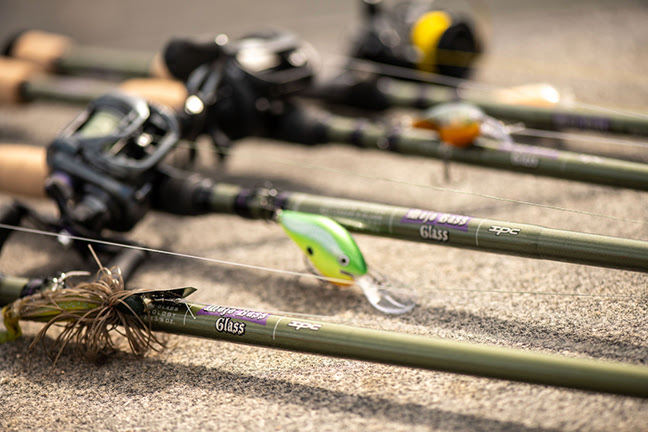
Of course, rod choice is important for a technique such as cranking, with Jesse outlining the basics. “All I’m looking for is sensitivity with forgiveness – the sensitivity to be able to feel what the bait is doing and what it’s coming into contact with down there and the forgiveness that’s needed to cushion the strike and keep the hooks in the fish’s mouth during the fight.” A demanding tournament angler like Jesse Wiggins knows what feels right, and in most cases that’s St. Croix’s 6’10” Legend Glass moderate action casting rod in medium-heavy power (LGC610MHM). While he appreciates the 7’2” and 7’4” Legend Glass models in certain situations, he prefers the nimbler 6’10” rod when beating the banks while traveling close and parallel to shore. “I’m casting under limbs and at targets with my rod right up against the bank,” says Jesse. “For back arm casts, and small flips, I can be more efficient and ultimately more productive with that slightly shorter rod.” Brother Jordan prefers to wield the big stick, opting for the 7’4” (LGC74MHM) Legend Glass casting rod, noting the increased casting distance he can attain when out in the open. He concedes that the 6’10” (LGC610MHM) is about perfect for squarebills and other near-bank baits, while agreeing with Jesse on the power and action aspects of each of the Legend Glass rods. “I just love the extra power when fighting fish to lift them above stumps and laydowns,” says Jordy. “It’s tough to find that perfect balance of strength and sensitivity, feel and forgiveness, and these linear S-glass crankin’ rods deliver like no others.” |
|
|
Honorable mention goes to the corresponding models in St. Croix’s Mojo Bass Glass series, as both brothers sing their praises. “You need a rod that won’t pull hooks, and all of the St. Croix Legend Glass and Mojo Bass Glass bass rods bow to the fish a bit with a parabolic, moderate action,” says Jordy. “Without that forgiveness you lose opportunities. Fish coming unbuttoned near the boat just can’t happen in a tournament situation, and we lose very few crankbait fish with these glass rods. Even skin-hooked fish we’ve got a good chance of landing with these rods.” Jesse continues, “Once you use one of these rods – either the top-of-the-line Legend Glass or the more affordable but incredibly capable Mojo Bass Glass rods – you finally understand what a good crankbait rod is. Medium-heavy power to extract fish from cover, and truly moderate actions that don’t let fish throw hooks. Linear S-glass and continuous tapers from IPC construction deliver that ever-important feel that crankbait anglers need, too, while forming glass rods that feel surprisingly light, crisp and balanced in the hand. It’s so important with these smaller squarebills and tight-wobbling baits that you feel exactly what’s going on,” Jesse continues. “Not only to feel cover and strikes, but to make sure the bait is free and clear of debris, too. If that lure hangs on one tiny leaf, it’s not doing its job and that costs you bites that can be critical to winning a tournament. You just don’t get that sensitivity with other duller-feeling glass rods.” Agree to Disagree With both anglers putting down roots and spreading canopy over similar areas and disciplines, it might come as a surprise that they differ on certain important stuff. They actually disagree on the number-one presentation in the springtime. While both love crankin’ and say it’s a top-three springtime pattern, Jesse is all in on crankbaits, but Jordy is obsessed with chatterbaits. “If we’re in a boat together come spring, I’m almost always throwing a crank, and he’s probably throwing a chatterbait,” says Jesse. “That makes us fish well together when we do get out, each giving the fish a slightly different look.” Jordy’s chatterbait fascination is the result of the distinctive lakes he fishes. “If I’m in eelgrass especially, I prefer a chatterbait over anything else,” he says. “Crankbaits can be good if you dial in the depth of dive perfectly, but I have more options to fish chatterbaits at varying depths in these waters, and they fish great in other systems too,” Jordy adds. Even Jesse concedes that chatterbaits and vegetation go together. “I throw them in some of the systems where weeds are the primary cover we’re fishing, for sure,” he says. It’s a keen observation for a technique that often involves letting that bait drop into grass before ripping it out, knowing that a strike can happen at any time. |
|
|
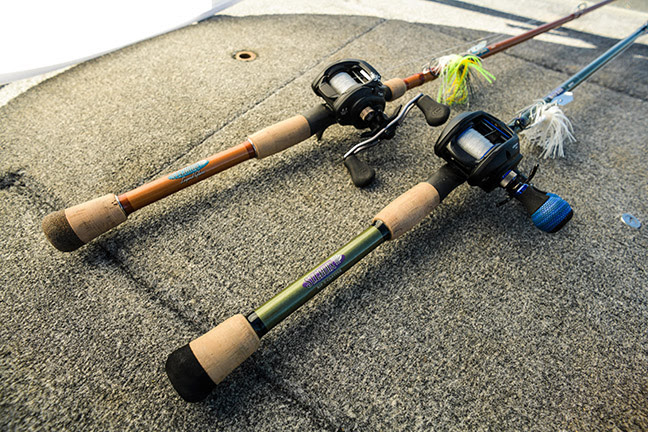
Jordy says St. Croix makes his ideal chatterbait rod in both the Mojo Bass Glass (MGC72HM) and Legend Glass (LGC72HM) Series, the 7’2” heavy power, moderate action Rip-N-Chatter models. “That thing is a home run for throwing chatterbaits in grass,” says Jordy. “It’s got the heavy power I need to rip bladed jigs through the grass, but when a fish eats – just like with the crankbait models – that rod bows to it. I can put great hooks in fish without pulling them, yet still have the power to force them out of the grass. That’s hard to do in a single rod blank, but St. Croix got it done for me and every other chatterbait angler with these rods.” Wrap-Up For the Wiggins Dynasty, brotherly love often comes in the form of busting big bass on banks, together with crankbaits and chatterbaits, squarebills up against shore, or deeper diving cranks that hit those channel-swing walls. Remember, as springtime water temperatures climb, so does a fish’s ability and willingness to chase. That makes active presentations like crankbaits, chatterbaits and spinnerbaits key weapons in a bass angler’s arsenal. As fish draw nearer and nearer to the spawn, anglers find themselves adjacent to stump flats and spawning shelves, slinging squarebills and the like to hungry pre-spawn bass looking to eat as many crawfish as it takes to fill the tanks. Specialized equipment is the salve for a technique-specific bite like crankin’, where a rod and its rigging need to master certain specialized tasks. The forgiveness of a moderate action will keep help keep fish hooked and is a good start, provided you can get them to strike. That requires sensitivity, not to feel the strike itself, but to provide the angler with feedback on how the bait is running and what it’s coming in contact with. Without the sensitivity portion of the equation, it’s impossible to feel if your lure is fouled, or more importantly, if you’re even contacting the cover necessary to trigger the bite to begin with. Pairing a lightweight blank with heavyweight glass performance solves the equation. Strength meets sensitivity; forgiveness is served, but with responsiveness and power. Fast reels, fluorocarbon, and color-specific cranks that feature crawfish anything are the other constants that will help earn success. So, take this information and hit the lake this spring, cover some water and find ‘em. And don’t forget to call your brother. |
|
#CROIXGEAR |
Bassmaster Classic Heads Back To Knoxville And Tennessee River In 2023
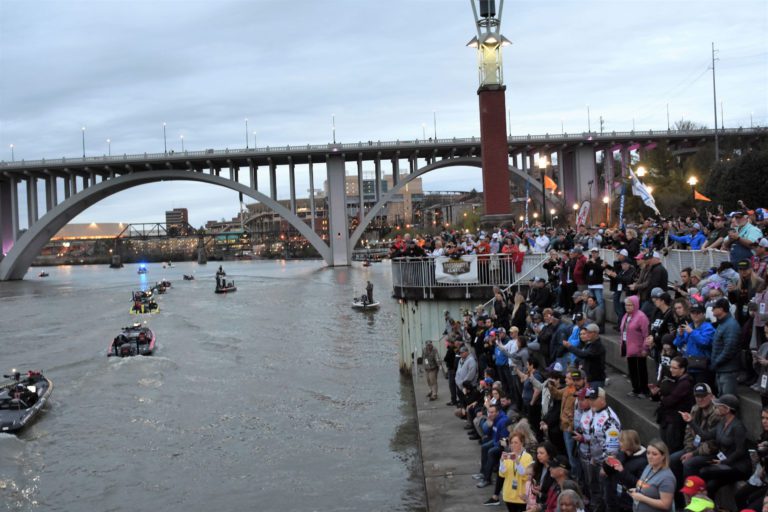
Knoxville, Tenn., will host the 2023 Academy Sports + Outdoors Bassmaster Classic presented by Huk March 24-26.
Photo by Laurie Tisdale/B.A.S.S.
February 2, 2022
Bassmaster Classic Heads Back To Knoxville And Tennessee River In 2023
BIRMINGHAM, Ala. — The venue that was home to one of the most successful and well-received Classics of all-time will once again be the host for professional bass fishing’s biggest celebration in 2023.
B.A.S.S. officials announced today that the 2023 Academy Sports + Outdoors Bassmaster Classic presented by Huk will be held in Knoxville, Tenn., March 24-26 with competition on the Tennessee River lakes of Fort Loudoun and Tellico. Daily weigh-ins will be held at Thompson-Boling Arena — the palatial 20,000-seat venue on the University of Tennessee campus — and the annual Bassmaster Classic Outdoors Expo will take place at the Knoxville Convention Center and the adjacent World’s Fair Exhibition Hall.
The Visit Knoxville Sports Commission will once again serve as host.
“Our first Bassmaster Classic in Knoxville produced record-breaking fan attendance and was one of the best Classics we’ve ever had,” said B.A.S.S. CEO Chase Anderson. “The Bassmaster Classic is the Super Bowl of Professional Bass Fishing. It’s not just a great competition; it is a true celebration of the competitors, the fans and the sport as a whole.
“We couldn’t be more thrilled to be headed back to Knoxville.”
With daily takeoffs from Volunteer Landing, located downtown at the head of the beautiful Tennessee River, the 2019 Classic drew a record crowd of 153,809 spectators and generated an economic impact of $32.2 million for Knoxville and East Tennessee, according to a report released by the Visit Knoxville Sports Commission.
“We are thrilled to welcome B.A.S.S. back to Knoxville and East Tennessee,” said Chad Culver, Senior Director of the Visit Knoxville Sports Commission. “This will be their fourth major event hosted in Knoxville, (with Elite Series events in 2017 and 2021, and the Classic in 2019). With Knoxville having the distinction of their highest-attended Classic to date, we look forward to an exciting, record-breaking 2023 Classic.”
According to the same study, the Classic provided a direct economic impact of $17.7 million and an indirect boost in business sales of $14.5 million. The event generated $2.75 million in state and local tax revenue, including taxes on sales, restaurant purchases and lodging. Classic attendees, who traveled to Knoxville from almost every state and foreign countries as far away as Australia, Japan and Italy, paid for 29,232 room nights in local hotels.
The event was recognized as a 2019 Champion of Economic Impact in Sports Tourism (Mid-Market Division) by Sports Destination Management. Won by Tennessee native Ott DeFoe, the tournament was the first major B.A.S.S. event held on Fort Loudoun and Tellico lakes, but it spawned a relationship that is still flourishing today.
While a previous event visited Cherokee Lake, the Bassmaster Elite Series — the top circuit in professional bass fishing — made its first trip to Fort Loudoun and Tellico in Knoxville in 2021. Canadian pro Jeff Gustafson won that event with a four-day weight of 63 pounds.
Now, Knoxville will join the prestigious list of cities that have hosted multiple Classics.
“We’re honored to host B.A.S.S. for the fourth time in seven years,” said Kim Bumpas, President of Visit Knoxville. “We are proud of the continued successful partnership between B.A.S.S., our own Visit Knoxville Sports Commission, the Tennessee Department of Tourist Development, and Knox County and the City of Knoxville.”
In just two events, Fort Loudoun and Tellico have shown what a full buffet they offer to bass anglers.
DeFoe won his 2019 Classic title in mid-March with largemouth bass. Then in late February 2021, Gustafson relied largely on one magic spot for daily bags of smallmouth. During that same event, anglers like Steve Kennedy, John Cox and Brandon Card pushed Gustafson hard with largemouth.
Though the 2023 Classic will be later in the year than either of those events, both species are still likely to come into play.
“That’s one of the things that makes this venue so interesting — just the variety of species and patterns that anglers have available to them,” said Chris Bowes, B.A.S.S. Vice President of Tournaments. “You could see someone win it with all largemouth, all smallmouth or a mixed bag of the two. That always makes for a great event.”
Fort Loudoun and Tellico lakes are twin reservoirs that cover about 30,000 acres. With the lakes connected by a canal, Classic competitors will be allowed to fish both. They’ll also find good fishing along the Tennessee River upstream from Fort Loudoun Dam to the Interstate 40 bridge on the Holston River and the Highway 168 bridge on the French Broad River.
The field will include 55 anglers who will qualify through the Bassmaster Elite Series, the St. Croix Bassmaster Opens, the TNT Fireworks B.A.S.S. Nation Championship, the Strike King College Series presented by Bass Pro Shops and the Bassmaster Team Championship. They’ll all be vying for a $300,000 first-place prize and a total purse of over $1 million.
“Knoxville has every element necessary for an incredible Classic,” Anderson said. “It is a great sports town, in general, and bass fishing is incredibly popular in East Tennessee. There will be a lot of local interest in the event, and people who are visiting Knoxville for the first time are likely to keep coming back because the city and East Tennessee have so much to offer.”
Major League Fishing Cancels First Practice Day, Extends Practice Period for Anglers at B&W Trailer Hitches Stage One Presented by Power-Pole in Louisiana
|
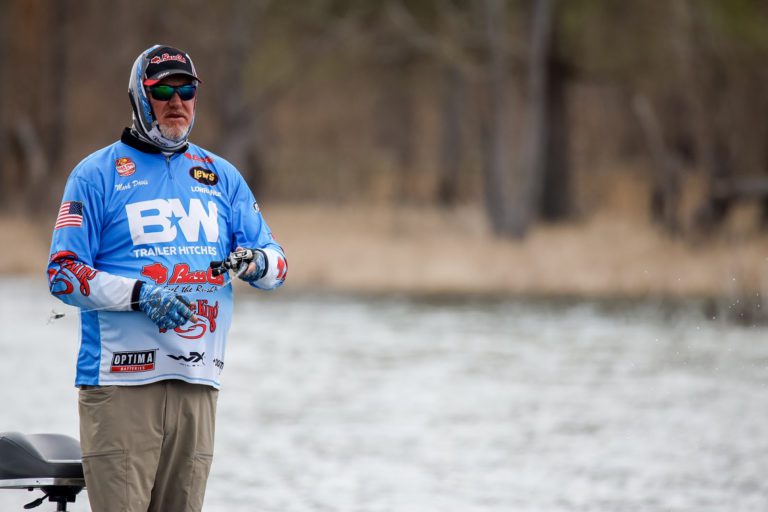
Bass Pro Tour angler Mark Davis of Mount Ida, Arkansas, Makes a Cast During a Chilly Practice Morning
|
|
Forecasted Icy Conditions in Northeast Louisiana Prompts Tournament Officials to Cancel Official Opening Practice Period Thursday
[print_link] MONROE-WEST MONROE, La. (Feb. 1, 2022) – Major League Fishing (MLF) has announced that the first day of practice for the 80 anglers competing in the Bass Pro Tour B&W Trailer Hitches Stage One Presented by Power-Pole, scheduled for Thursday, Feb. 3, has been canceled due to forecasted freezing rain and high winds. “Initially, our anglers were slated for two days of practice on either Lake D’Arbonne or Caney Creek Reservoir,” said MLF Bass Pro Tour Tournament Director Aaron Beshears. “However, with the forecasted weather conditions, we have deemed it unsafe for our anglers to head out for the first day of practice on Thursday. “We’re expecting some heavy rain on Wednesday night, and with the freezing temperatures forecast for Thursday it is going to be extremely icy. For the safety of our anglers, we’ll delay the start of practice one day and we’ll get after it starting Friday.” Anglers will be allowed to begin practice on either Lake D’Arbonne or Caney Creek Reservoir from 6:30 a.m. until 6:15 p.m. on Friday, Feb. 4. Competition will begin as planned on Saturday, Feb. 5. The 40 anglers in Group B will be allowed to practice on Caney Creek Reservoir ONLY on their first scheduled day off – Saturday, Feb. 5, from 6:30 a.m. to 6:15 p.m. The 40 anglers in Group A will also be allowed to practice on Caney Creek Reservoir ONLY on their first scheduled day off – Sunday, Feb. 6, from 6:30 a.m. to 6:15 p.m. Each group will also be allowed to proceed with a planned 4-hour ride through on Bussey Brake on their second off day, as previously scheduled. Group B will conduct their ride through on Monday, Feb. 7 and Group A will complete their ride through on Tuesday, Feb. 8. No fishing is allowed during the ride throughs. In the four-day opening Qualifying Rounds, anglers will compete on Lake D’Arbonne and launch at 7:30 a.m. from the Lake D’Arbonne State Park, located at 3628 Evergreen Road in Farmerville, Louisiana. The Knockout Round will take place on Caney Creek Reservoir, where anglers will launch at 7:30 a.m. from the Caney Creek Hooks Marina, located at 400 Spillway Road in Chatham, Louisiana. For the final day Championship Round, the final 10 anglers will compete on Bussey Brake, launching at 7:30 a.m. from Bonner Ferry Road, five miles northwest of Bastrop off of Hwy 593. Each day’s General Tire Takeout Ceremonies will be held at the respective launch ramps, beginning at 4:30 p.m. Fans are welcome to attend all takeoff and takeout ceremonies and also encouraged to follow the event online throughout the day on the MLF NOW!® live stream and SCORETRACKER® coverage at MajorLeagueFishing.com. For complete details and updated information on Major League Fishing and the Bass Pro Tour, visit MajorLeagueFishing.com. For regular updates, photos, tournament news and more, follow MLF’s social media outlets at Facebook, Twitter, Instagram, and YouTube. |
February 2022 Roanoke River NC Fishing Report by Capt. Scooter Lilley
Nominations Now Open For 2022 Class Of Bassmaster High School All-Americans
February 1, 2022
Nominations Now Open For 2022 Class Of Bassmaster High School All-Americans
[print_link]
BIRMINGHAM, Ala. — B.A.S.S. is seeking nominations for the best and brightest high school bass anglers in the country.
The Bassmaster High School All-American Fishing Team presented by Academy Sports + Outdoors recognizes the 12 most outstanding high school anglers in the nation. The program is designed to reward young athletes for their performance in tournaments, leadership in their communities and involvement in conservation efforts.
Applications for the team, which is now in its eighth year, will be accepted today through March 8.
To be considered, a student must be nominated by a parent, coach, teacher or other school official. Students currently enrolled in grades 10 through 12 with a current grade point average of 2.5 or higher are eligible.
Judges will select up to two student anglers in each state. These All-State Fishing Team members will become semifinalists in the selection of the 12-member Bassmaster High School All-American Fishing Team presented by Academy Sports + Outdoors. Criteria include success in high school fishing tournaments and involvement in conservation efforts and other community service activities.
The anglers chosen will compete in a one-day Bassmaster High School All-American Tournament to be held in conjunction with a 2022 Bassmaster Elite tournament, to be announced at a later date. Elite Series anglers will serve as “coaches” for the student anglers in the one-day fishing event. The high school standouts and Elite Series coaches will be honored before the weigh-in crowd.
“I am super excited to share this platform with the best high school anglers in the country,” said Glenn Cale, B.A.S.S. Nation Tournament Manager – College, High School and Junior. “Balancing school and fishing is key and hard work.”
All students who compete in high school fishing events are eligible, regardless if they are affiliated with B.A.S.S. or another fishing organization.
Notices have been sent to youth fishing directors of the B.A.S.S. Nation and other organizations, as well as leaders of state high school fishing programs. Adults can nominate students by filling out an online form at Bassmaster.com/allamerican. Nominations must be submitted before midnight on March 8. Please send all questions to [email protected].
About B.A.S.S.
Virginia Pro Martin Villa weighs in on Douglas Outdoor rods, and his great finish at the MLF Pro Circuit Opener on Sam Rayburn in Texas
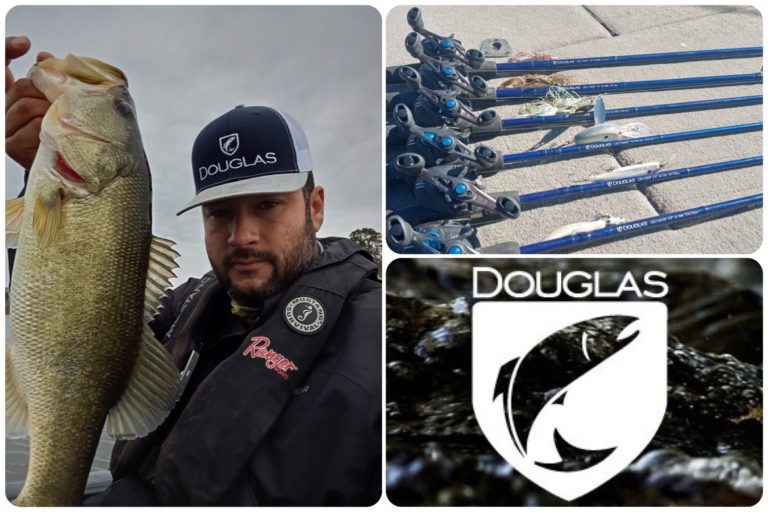
I got the chance to talk to MLF Pro Martin Villa about his $10,000 pay day at his rookie season opener in the MLF Pro Circuit on Sam Rayburn reservoir. He shared all the insights from practice conditions to his biggest fear. As well as how Douglas rods helped him to get paid in a tough season opener.
Martin Villa, an avid outdoorsman and fly fisherman turned bass phenom, has only been fishing with MLF for four years. In that time, he has amassed 1 win and 11 top ten finishes in only 43 events fished. He qualified for the 2022 MLF Pro Circuit season through the 2021 Northern Toyota Series division. He decided to take that plunge into the big leagues. That decision seems to be a good one following the season opener on Sam Rayburn Reservoir. Martin said, “This event and the next one on Harris Chain scared me the most. I’ve never been to Florida or Texas bass fishing.” If a top 50 and huge pay day is the way he handles the lakes he is most fearful of; this season should be one to watch. “…but I’m looking forward to Harris Chain next. It’s got big ones.” says Martin.
When asked how he broke down the giant 114,000-acre reservoir in only two days of practice this is what he said. “I knew the offshore bite was going to be good and in the first 30 minutes of practice I caught 2 keepers in 20 feet of water. I stayed out deep catching them from as shallow as 10 feet to as deep as 35 feet. Most of my fish were in 18 to 25 feet of water. I was catching about 30 fish a day. That first 30 minutes of practice gave me the confidence to stay offshore.”
Sad thing is despite his great finish it did not come without its problems. Martin said “In practice I had found a mega school that I caught two good keepers out of. So, the first day of the tournament I ran there to start. I had it all to myself. I pulled up and proceeded to catch 8 spotted bass and threw them all back not knowing the spotted bass size limit was 12 inches (largemouth was 14 inches). They were all over 13 inches. So, I left my starting spot without a fish in the live-well even though I truly had caught a limit. Luckily that mistake didn’t hurt me.” He also knew capitalizing on the big fish bites would be the way to make the top ten cut. Martin said “I lost my biggest fish each day. One came unbuttoned and one broke me off in brush.”
I asked about the high wind delay that cancelled day two of the event. Martin said “On day two of practice we had 10 mph winds and it got really rough out there. So, on day two of the tournament, they were calling for 15 to 20 mph winds, so it was a good call.” Martin expressed how in a tough tournament at this level your equipment must perform flawlessly, and his new Douglas rods did not disappoint.
Douglas Outdoors, founded in 2014, initially started making waves in the fly-fishing industry by winning several prestigious awards including Best Overall 5-Weight, Best Overall 6-Weight, and Best Mid-Priced 6-Weight in the World Renowned 5-Weight and 6-Weight shootouts by Yellowstone Angler. Now they have also set their sights towards making great casting and spinning rods for bass fisherman. Martin being a fly-fishing enthusiast knew the quality behind the Douglas name and was excited to have them as a sponsor his rookie season on the MLF Pro Circuit.
Tackle breakdown for the event. Martin said “I caught most of my fish on a dropshot all week. I threw it on a Douglas LRS S724XF with a 3/8-ounce weight and Owner hook. I also caught one key fish each day of the event on a 1/2-ounce underspin with a Keitech swimbait. I threw that on a Douglas LRS C745F which I love and wish I had ten of them.”
Be sure to keep an eye out for Martin Villa and Douglas Outdoors as they make a name for themselves in the top tiers of bass fishing.
February 2022 Kerr Lake Fishing Report by Dennie Gilbert
Dennie Gilbert
[print_link]
Largemouth Bass update:
Needless to say I’m not fishing. I’m sitting here wishing for warmer weather by the first of February. We’ll have improved fishing if the weather warms so the fish can move shallow. Look for them to move to the creeks on secondary places. Baits to try will be jerk baits,jigs,cranks and some finesse baits and swim baits. Fish these in 1-10 feet water. The cold weather will keep the bite slow but some may move up due to extended daylight. Others will remain deep with their bellies in the mud. If the days get a little warmer the spinner and chatter baits will come into play. This can also be the best time of year to catch the “big girl”. Most tournament trails will start in February. Fish smart Fish safely Good Luck! Check us out at Kerr Lake Bass.
Drake Wins Phoenix Bass Fishing League Event on Lake Chickamauga
|
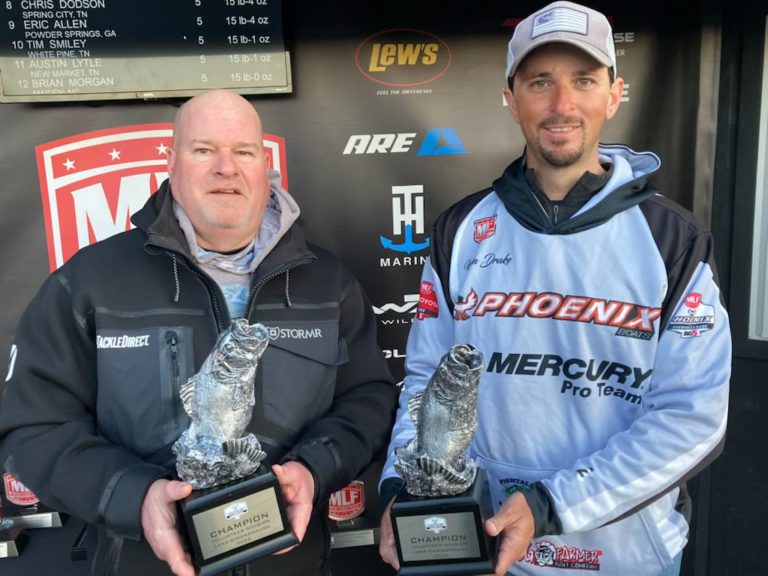
Strike King Co-Angler Robert Ford of Boones Mill, Virginia and Boater Kevin Drake of Cleveland, Tennessee display their trophies following the weigh-in at Lake Chickamauga.
|
|
Virginia’s Ford Wins Strike King Co-Angler Division
DAYTON, TENNESSEE (Jan. 31, 2022) – Boater Kevin Drake of Cleveland, Tennessee, caught five bass Sunday weighing 22 pounds, 5 ounces, to win the MLF Phoenix Bass Fishing League Presented by T-H Marine on Lake Chickamauga. Drake earned $13,304 for his victory, including a $7,000 Phoenix MLF Bonus.
“The seven days leading up to the tournament I was out there four days prefishing,” Drake said. “I basically fished daylight to dark because I really wanted to do well in this tournament.” Drake said he had previously fished a Phoenix Bass Fishing League tournament as well as two Toyota Series events on Lake Chickamauga but managed to collect only small checks for his efforts. “I really, really, really wanted to do well in this tournament,” Drake said. “So I prefished extremely hard. And it worked out well for me.” Drake said he began the day on a spot he had fished four years ago, and his fifth cast produced his second-largest bass of the day – a 5 ½-pounder. He then went through a two-hour dry spell without a fish, so he relocated and then finished out his limit in two quick stops. “I figured I had about 16 pounds, and then about 11 o’clock it really turned on and I caught my biggest fish of the day during that period,” Drake said. Drake said he caught nine fish – including 12 keepers – during the course of the day, all of which came on a YUM Yumbrella Flash Mob Jr. Umbrella Rig with Castaic Baits Swimbaits. He said he tried changing up to a jerkbait during the course of the tournament but couldn’t provoke a reaction strike with it. “Altogether I just fished really hard, covered a lot of water and had luck go my way,” Drake added. “When it’s really cold like it was today it’s definitely not a numbers game. You’re just hoping you get five good bites and get them to the boat.” The top 10 boaters finished the tournament in: 1st: Kevin Drake, Cleveland, Tenn., five bass, 22-5, $13,304 (includes $7,000 Phoenix Bonus) Complete results can be found at MajorLeagueFishing.com. Boater Justin Coffey of Harriman, Tenn., caught a 7-pound, 5-ounce largemouth to earn the day’s Berkley Big Bass Boater award of $835. Robert Ford of Boones Mill, Virginia, won the Strike King Co-angler Division and $2,636 Sunday after catching five bass weighing 14 pounds, 14 ounces. The top 10 Strike King co-anglers were: 1st: Robert Ford, Boones Mill, Va., five bass, 14-14, $2,636 Rasnick caught the largest bass in the Co-angler Division, a fish weighing in at 10 pounds, 4 ounces. The catch earned him the day’s Berkley Big Bass Co-angler award of $415. The top 45 boaters and co-anglers in the region based on point standings, along with the five winners in each qualifying event, will be entered in the Sept. 10-11 Bass Fishing League Regional Championship on Watts Bar Lake in Spring City, Tenn. Boaters will compete for a top award of $60,000, including a new Phoenix 819 Pro with a 200-horsepower Mercury outboard and $10,000, while co-anglers will fish for a new Phoenix 819 Pro with a 200-horsepower Mercury outboard. The 2022 Phoenix Bass Fishing League Presented by T-H Marine is a 24-division circuit devoted to weekend anglers, with 128 tournaments throughout the season, five qualifying events in each division. The top 45 boaters and Strike King co-anglers from each division, along with the five winners of the qualifying events, will advance to one of six Regional Championships where they are competing to finish in the top six, which then qualifies them for one of the longest-running championships in all of competitive bass fishing – the Phoenix Bass Fishing League All-American. The 2022 All-American will be held June 2-4 at Lake Hamilton in Hot Springs, Arkansas, and is hosted by the Arkansas Department of Parks and Tourism and Visit Hot Springs. The top 45 boaters and Strike King co-anglers plus tournament winners from each Phoenix Bass Fishing League division will also earn priority entry into the MLF Toyota Series, the pathway to the MLF Tackle Warehouse Pro Circuit and ultimately the MLF Bass Pro Tour. For complete details and updated tournament information, visit MajorLeagueFishing.com. For regular Bass Fishing League updates, photos, tournament news and more, follow MLF5’s social media outlets at Facebook, Instagram, and YouTube . |