Thursday, December 18, 2025
Home Blog Page 710

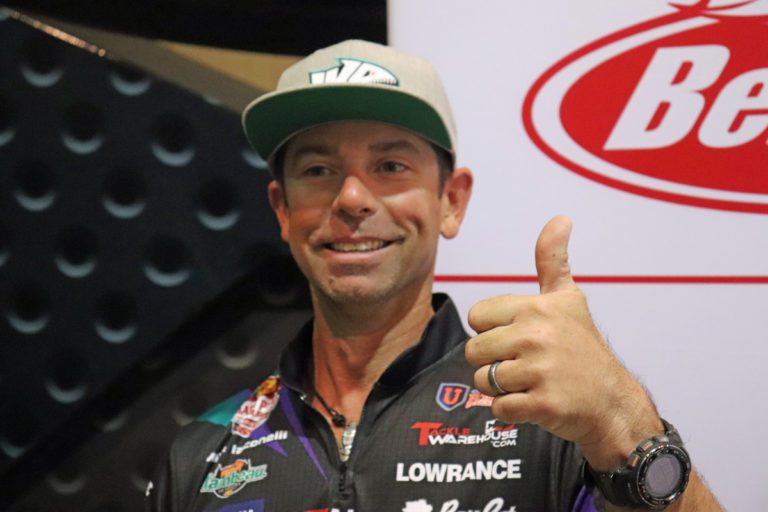
How Mike Iaconelli Boats Bass With The Chicken Rig by Josh Boyd

How Mike Iaconelli Boats Bass With The Chicken Rig

[print_link]

One of the most appealing aspects of bass fishing is the diverse list of ways that largemouth, smallmouth, and spotted bass can be caught. It seems as if every year, crafty anglers discover new and exciting ways to boat bass at a feverish pace. Such discoveries place additional tools at our disposal for putting bass in the livewell, and afford us the opportunity to be more efficient anglers in general.

One such tactic, that continues to find favor among an ever-growing number of bass fishermen, is that of fishing the Chicken Rig. Although this rig is utilized by a number of anglers, under a wide array of circumstances, few have been as outspoken regarding its benefits as 2003 Bassmaster Classic Champion and 2006 B.A.S.S. Angler of the Year, Mike Iaconelli.

Why The Chicken Rig?

Iaconelli touts the rig as being universal in its ability to put bass in the boat, no matter the body of water or lake conditions. He says, “I use it all year round. I would say spring through fall it’s at its best. It can be used in any cover, from no cover to the heaviest, gnarliest cover you can imagine.”

According to Iaconelli, the Chicken Rig owes much of its value to the versatile role that it can play in an angler’s fishing repertoire. “The Chicken Rig is basically a weedless Neko Rig. It is a Neko Rig that you rig Texas-Style, and it gives you the same pecking action as a Neko Rig, but you can fish it anywhere,” says Iaconelli. “You can use it when fishing in heavy cover or sparse cover, when skipping under docks, and when fishing shallow or deep,” he continues.

What Bait Should You Be Fishing?

Though several baits can be fished in conjunction with the Chicken Rig, one, in particular, has yielded excellent results for Iaconelli. “I’m using the Berkley Powerbait Flute Worm. You can use all three sizes, but the 5.7” is the most versatile,” Iaconelli says.

When it comes to color choices, Iaconelli says that what he uses varies depending upon the situation, and though he tries to match the color of his bait to corresponding hatches, it is also extremely important to choose what will catch the eye of bass that reside in a given body of water.

What Does The Chicken Rig Consist Of?

Iaconelli says that rigging the Chicken Rig is no more difficult than rigging any other soft plastic set-up, and shares similar components to other popular finesse rigs. “I like using a size 1 to 1/0 or 2/0 straight shank style hook. A VMC Finesse Neko Hook is the right hook,” says Iaconelli.

Choosing which weight to use when fishing the Chicken Rig is also fairly straightforward according to Iaconelli. His head of choice is a VMC Half Moon Wacky Weight. “The nail weight is just a little nail. I’ll use anywhere from a 1/16 ounce to a ¼ ounce weight,” says Iaconelli.

When fishing the Chicken Rig, the devil is in the details. From which end of your soft plastic that the weight is to be placed, to where your hook intersects the body of your bait, a keen attentiveness to the fine details are what makes the Chicken Rig so effective.

Iaconelli stresses the importance of weight placement by saying, “I put it in the fat end of that Flute Worm. It’s really important.” Iaconelli continues, “You want that skinny end to be up shaking, you want the fat end to have the nail, and as you shake your rod, that nail pecks the bottom.”

Referring to hook placement, Iaconelli explains that though the Chicken Rig is hooked Texas-Style, it is not at the nose of the bait as many are used to. “I’m rigging it Texas-Style back in the body of the bait, and that’s the key. I rig it just below the halfway point of the bait. On the Flute Worm, we have three high spots. So I start in the middle-high spot, and by the time the hook pops out at the bottom, it’s at the bottom-high spot,” says Iaconelli.

The Texas-Style hook placement that is used in conjunction with the chicken rig comes as one of the major differences between it and the Neko Rig. Because the hook features no exposed point, the chicken rig can be fished virtually anywhere without fear of snagging. This comes as a significant advantage when fishing among heavy brush and in dense vegetation.

When striving to achieve the best results possible while fishing the Chicken Rig, your choice of line also plays a vital role. “I prefer Berkley X5 braided line tied to an 8-10 pound Berkley Trilene fluorocarbon leader,” says Iaconelli. As with most any form of finesse fishing, Iaconelli finds favor in the use of spinning tackle, which allows him to optimize his presentation and put bass in the boat.

Chicken Rigging To Success

The Chicken Rig offers anglers a number of distinct advantages, with the biggest being that it is fished in a completely weedless fashion. As a modified version of the Neko Rig, the Chicken Rig can be fished without any reluctance toward the snags and hang-ups that lie below. This allows you to pull bass from locations that those fishing the Neko Rig would seldom dare to venture. Next time the bass at your local lake refuse to give any ground, tie on a Chicken Rigged soft plastic, and make the most of your time on the water.

All You Need To Know About Bass Fishing In The Wind – MTB

All You Need To Know About Bass Fishing In The Wind

[print_link]

Wind can be beneficial or destructive when blowing across the land. A steady wind is good for turning windmills that generate power. A cool breeze provides relief from the heat of summer, but gales from a tornado or hurricane wreak devastation.

Wind can also be beneficial or prohibitive for anglers depending on the time of year and the body of water they are fishing. The wind is most beneficial because of the chain reaction it causes among prey and predatory fish. I always chuckle when I heard an angler say wind continuously blowing on a bank pushes baitfish to the shallows followed by predatory fish such as bass or crappie.

That is half true because concentrations of baitfish and their predators do congregate along windblown banks. However what really happens is the wind churns up zooplankton in the shallows, which attracts baitfish to feed on the microorganisms and then bass and other predators invade the shallows to forage on the baitfish.

zoo plankton
Zooplankton are tiny creatures that lives in lakes, rivers, and oceans. Small fish feed on zooplankton often and where there are small fish, there are big fish!

Fishing Windy Banks For Bass

A howling wind that crashes waves into the bank can trigger bass into biting most of the time. You can use a gusting wind as an ally except when water temperatures are extremely cold in the winter and spring. Then you are better off trying to fish calm areas exposed to the sun.

Can Wind Impact The Bass Spawn?

Josh Douglas bass fishing in the wind
Josh Douglas with a GIANT smallmouth bass.

Too much wind is also detrimental when fish are staging up for the spawn. A slight ripple on the water then is beneficial but the fish seem to avoid hanging in areas where whitecaps are slamming into the bank. Bass during the spawning stages seek warm water and protected areas to build nests, whereas bass in the summer and fall are in more of a feeding mode then so a stout wind activates the fish. So if you are struggling to get bites throughout the summer and fall, you can count on the wind to turn your luck by concentrating on the windiest spots you can find.

The wind can be your friend on some lakes but a foe on others. When fishing grass lakes, a strong wind blowing hard over the grass makes it tough to fish vegetation. Gales producing menacing waves can wreak havoc on lakes with sand or mud bottoms. If bass are extremely shallow there the wind can dirty the water and run off the fish.

Safety Tips For Fishing In The Wind

Josh Douglas bass fishing in light wind
Josh Douglas caught this chunky largemouth on a bluebird day with light wind.

Anglers fishing the wide-open spaces of large bodies of water such as the Great Lakes need to pay close attention to the wind. A stiff wind can be a hindrance to anglers on the big waters, but it has a positive effect on smallmouth bass. They fish deep enough that the wind just adds more current and actually makes the fish bite better because it opens up the fish’s strike zone dramatically. However, on the Great Lakes wind can be life-threatening so sometimes anglers shouldn’t be out there in bass boats. If you choose to play the wind, you must decide which banks will produce best if the wind is blowing at the same velocity on each spot. You can look for the banks with the best structure or cover or try banks attracting the most baitfish.

Don’t Rock The Boat

Josh Douglas bass fishing in the wind
Keeping the wind at your back will help you save on battery life.

The toughest challenges everyone encounters when fishing a windblown bank are controlling the boat and trying to save as much battery power as possible. Sticking the nose of your boat into the wind to head into the breeze is the best course of action most of the time. Then it becomes a matter of willpower and battery power. You are going to eat up battery juice because you are going to be riding out the waves and stuffing a few of them, so you better be prepared for wet toes.

If you fish into the wind, you can try to save some battery power by turning down the speed dial on your trolling motor. Running the trolling motor on 100 percent is when you really suck the juice and burn up your batteries. You are better off then not holding the boat quite as well into the wind and running the trolling motor at 80 percent.

Work With The Wind, Not Against It

Josh Douglas with a big smallmouth bass
Smallmouth fishing usually improves on windy days.

When wind gusts above 30 miles per hour you usually don’t have much of a choice so you have to fish with the wind. If the wind blows hard straight into the bank, you can head downwind and try to keep your boat parallel to the shore. Fishing with the wind is a necessity on the Great Lakes, so you need to throw out a drift sock to control the speed of your drift. You can take advantage of this downwind course to cover a lot of water quickly. If you get a few bites then you can turn immediately into the wind and hold the boat where you got the bites.

When the wind blows, the boat will rock, but stay the course and you’ll be rewarded with a handsome windfall of bass.

Yo-Zuri 3DB Series 1.5 MR Crankbait Review By Walker Smith

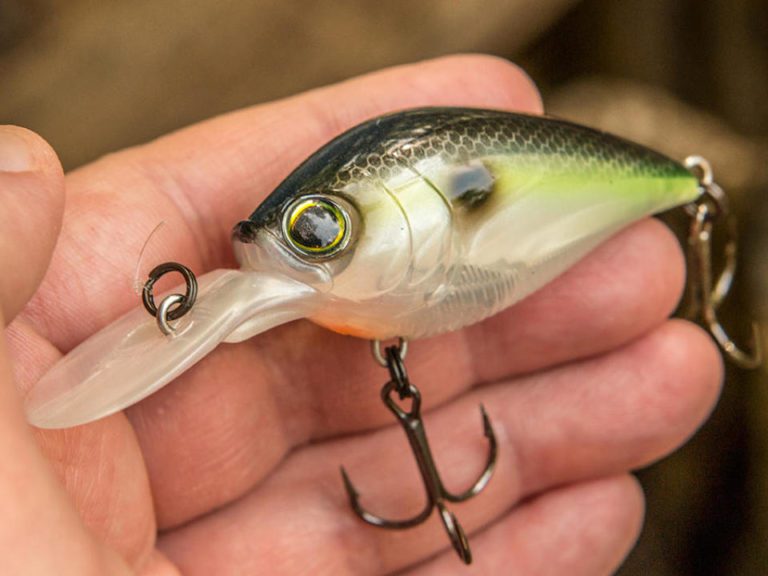
Most crankbaits I’ve tested seem to have a fairly particular time and place. Water clarity, temperature and time of year plays a huge role in selecting the best crankbait for the situation. Once in a while, however, I run into a crankbait I can use pretty much whenever I need to get a bite. Although I’d love to keep it to myself, it’s time I introduce you to one of the best plugs I’ve tested in recent years.

The Yo-Zuri 3DB Series 1.5 MR is a special lure in many different ways. From top-quality components to beautiful color schemes, this crankbait will catch fish when you need bites. You can pull into a pocket with it and almost expect to get bit before you pull your trolling motor back up. That’s how much confidence I’ve gained in it.

I’ll quickly go over some of its most noteworthy characteristics.

B.A.S.S. Conservation Honors Three With Its Highest Award

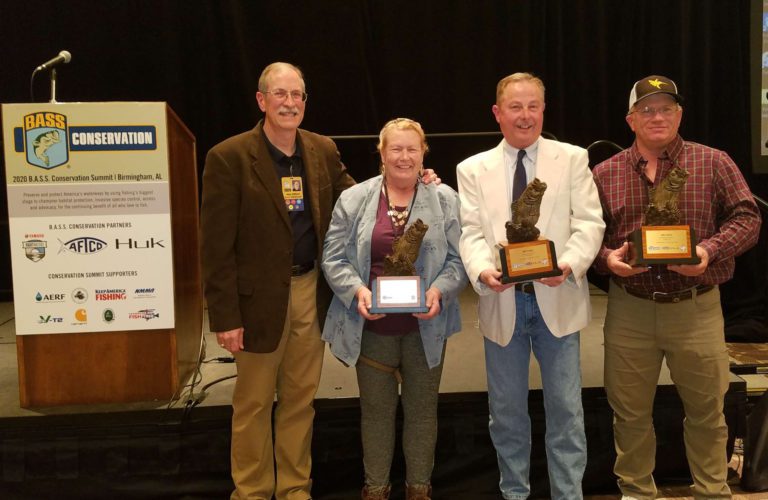
Barb Elliott, Bill Frazier and Jake Davis were honored as Co-Conservation Directors of the Year at the 2020 B.A.S.S. Conservation Summit. Photo by B.A.S.S.

April 7, 2020

B.A.S.S. Conservation Honors Three With Its Highest Award

BIRMINGHAM, Ala. — In an unprecedented move, B.A.S.S. Conservation honored three with its highest award at the Conservation Summit held March 6-8 during the Academy Sports + Outdoors Bassmaster Classic presented by Huk.

Barb Elliott of New York, Bill Frazier of North Carolina and Jake Davis of Tennessee were named Co-Conservation Directors of the Year by B.A.S.S. National Conservation Director Gene Gilliland. Additionally, Virginia’s Joan Blankenship was recognized by B.A.S.S. and Friends of Reservoirs for her accomplishments.

“Since we host the Conservation Summit only every other year, I decided to present one for last year, this year and next year, all at the same time,” Gilliland explained. “I wanted to recognize all three of these people for their great work.

“This award is given to the B.A.S.S. Nation conservation director who has shown leadership to his or her state, region and/or the B.A.S.S. Nation.”

New York’s Barb Elliott has gained both national and international notoriety for her expertise regarding fish care, notably barotrauma and fizzing.

“Barb taught all 75 Bassmaster Elite Series pro anglers how to properly fizz smallmouth bass during three days of training in Waddington, N.Y.,” Gilliland revealed. “That training resulted in a significant increase in the live release rate of bass compared to other area tournaments.”

Elliott gives seminars on fish care and fizzing to groups of anglers at every level, from high school to pro, in both the U.S. and Canada. She helps on the B.A.S.S. Yamaha/AFTCO Live Release boats during New York tournaments. She has also been featured in several videos about barotrauma and fizzing. As a fundraiser for the New York B.A.S.S. Nation, she makes and sells “fizz” kits, which include needles, reamers and instructions.

Elliott emphasized that she was both “honored and humbled to be included in a group of amazing, accomplished people.”

“B.A.S.S. and its Conservation arm do so much on behalf of fishermen and fisheries,” Elliott continued. “I am so proud to be involved in keeping our angling access available for all.”

North Carolina’s Bill Frazier, a water quality specialist and educator, also has made a name for himself in terms of fish care. For the past 11 Bassmaster Classics, he has assisted with safely transporting bass from the weigh-in site back to the fishery.

“Bill is the guy hidden under the stage,” Gilliland said. “He volunteers for this duty every year despite cramped and noisy conditions.”

Among his most noteworthy achievements in North Carolina are the creation of “fishing trails” at several bass fisheries. They’re the angling equivalent of golf courses, with each “hole” enhanced with habitat and information regarding the preferred season and lures to fish it.

“As a Lowrance Electronics pro-staffer, Bill mapped the lake bottoms and determined the best locations for the structures,” Gilliland explained. “He also does seminars on sonar techniques at local tackle shops and sporting shows.”

Additionally, Frazier is a champion for access issues and an outspoken critic of illegal fish introductions such as the illegal introduction of Alabama bass into North Carolina and Tennessee fisheries.

Frazier pointed out the winners could not have been successful without a team effort from fellow B.A.S.S. members.

“No person is talented enough to do this on his own,” Frazier said. “Since we are not funded, much of what we do is on pure initiative. But we feed on each other.

“I learn from all the others, and I hope they are gaining useful information from me.”

Compared to Elliott and Frazier, who both have been leading their state’s conservation programs for a dozen years, Jake Davis is a relative newcomer to the conservation director position, with only two years at the helm. By recruiting youth to help with cleanup and habitat efforts in his state’s fisheries, the retired military vet and 40-year member of B.A.S.S. has quickly brought the Tennessee B.A.S.S. Nation to the forefront for activism.

“Seeing that my actual background is not fisheries or wildlife, it was a great honor for me to stand with two legends as a co-winner,” said Davis. “They may not realize it, but both Barb and Bill helped me greatly, both with their knowledge and by reading about their past achievements.”

“One of his biggest passions is working with kids,” Gilliland said. “Jake gets things done in a lot of places.”

One of his most notable achievements included a collaborative habitat enhancement project on Tims Ford Lake, assisted by funding from an AFTCO/B.A.S.S. Nation Conservation Grant.

“The project was so successful that the Tennessee Wildlife Resources Agency decided to commit additional funding toward similar projects, utilizing B.A.S.S. Nation volunteers, high school fishing teams and other partners,” Gilliland said.

Davis also was recognized by “Keep the Tennessee River Beautiful” for conservation efforts in connection with the Yamaha Rightwaters Ripple Effect Beacon Leadership Award.

Finally, Joan Blankenship received the FOR award from the Reservoir Fisheries Habitat Partnership for her ongoing efforts to restore eelgrass to Virginia’s Claytor Lake and, in the process, creating a valuable nursery source for vegetation that can benefit bass fisheries in the entire Mid-Atlantic area.

“I got involved in this a long time ago, and it’s my passion,” said the longtime Virginia Conservation Director who has earned grants from AFTCO, Shimano, Aquatic Ecosystem Restoration Foundation and Friends of Reservoirs, as well as  partnered with Virginia Tech and others. “You have to stick to it, and it takes a long time to build relationships.”

B.A.S.S. Postpones Opens Series Event On Cherokee Lake

[print_link]

April 6, 2020

B.A.S.S. Postpones Opens Series Event On Cherokee Lake

BIRMINGHAM, Ala. — Due to public health concerns surrounding the coronavirus, B.A.S.S. officials announced today they will postpone the Basspro.com Bassmaster Eastern Open at Cherokee Lake originally scheduled to be held on the Jefferson County, Tenn., fishery May 7-9.

B.A.S.S. has postponed eight events originally scheduled between March and May and is monitoring the situation and following precautions and advice from the CDC and public officials when evaluating upcoming tournaments. Additionally, B.A.S.S. is tracking mandates at state and local levels regarding public spaces and events.

As more states adopt “shelter in place” recommendations and continue to limit the operation of nonessential businesses, B.A.S.S is also considering the impact that potential logistical issues and restrictions on domestic and international travel may have on anglers’ ability to travel to tournaments.

At this time, no additional Opens Series event has been postponed or canceled other than the Basspro.com Bassmaster Central Open at Lewisville Lake in Lewisville, Texas, which was announced last month.

A new tournament date will be announced in the future.

Heybo Outdoors Brings Versatile Short Options with New Spring Line

0

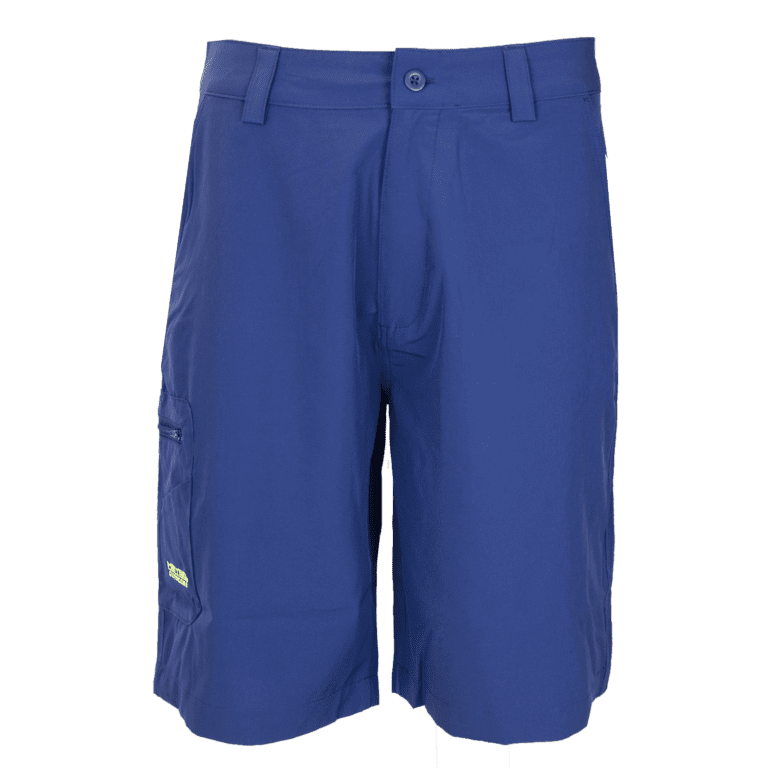
CHESTER, S.C., April 7, 2020 – Heybo Outdoors – a rapidly growing outdoor lifestyle, hunting and fishing apparel brand – is releasing a new line of performance shorts for Spring 2020.

Spring is finally here, and that means warmer temperatures and more time to spend outdoors doing what you love. To celebrate the new season, Heybo is bringing three new short options to its collection – the Flat Short, Wanderer Short, and Bay Short. From lounging around the house to long days spent on the water, Heybo’s line of performance shorts will provide comfort and versatility during any activity.

Whether you’re wanting a bright pop of color, natural tones, or the ultimate concealment, these performance shorts are offered in a variety of solid colors and Mossy Oak® and Realtree® camos. The Bay Short and Wanderer Short have a 7” inseam, while the Flat Short has a long 9” inseam. Built with a durable nylon quick-dry fabric, featuring a sun shield rating of UPF 30, these shorts are perfect for the boat, but their lightweight and stretch properties make them the essential garment for any occasion.

“Our new line of shorts are designed for the performance minded sportsman, but they are worn just as well as your everyday attire,” said Scott Clyburn, president of Heybo Outdoors. “By combining quality, style and versatility, we believe that we have built a short that is just as comfortable as it is functional.”

The Wanderer Short and Flat Short both retail for $54.99 each, while the Bay Short retails for $49.99. Look for these shorts at the official Heybo website, https://heybooutdoors.com


FLW Announces Rescheduled Tournament Dates for Select Events

FLW Announces Rescheduled Tournament Dates for Select Events

BENTON, Ky. (April 7, 2020) – On March 30, FLW took the unprecedented action of rescheduling all tournaments through May 3 to help flatten the curve in the ongoing fight against COVID-19. The coming weeks will undoubtedly be difficult, but FLW remains hopeful that with some extra precautions we can proceed with tournaments soon.

The FLW staff is working diligently with hosts and sponsors to reschedule all postponed tournaments and are pleased to announce new dates for all of the affected Tackle Warehouse Pro Circuit and Toyota Series events as well as some Abu Garcia College Fishing presented by YETI and FLW High School Fishing presented by Favorite Fishing events. Rescheduled Phoenix Bass Fishing League presented by T-H Marine tournaments will be announced soon.

The rescheduled tournaments are as follows:

Circuit                                                                   Event                                 Original Date     New Date

  • Abu Garcia College Fishing Open                       Kentucky Lake                   March 17-18       Sept. 16-17
  • Toyota Series                         Lake of the Ozarks             March 26-28       Oct. 8-10
  • Toyota Series                         Wheeler Lake                     March 26-28       July 30 – Aug. 1
  • Abu Garcia College Fishing presented by YETI   Ft. Gibson                         March 27            July 10
  • FLW High School Fishing presented by Favorite Ft. Gibson                         March 28            July 11
  • Tackle Warehouse Pro Circuit                        Cherokee                           April 2-5             June 11-14
  • Toyota Series                         Ft. Gibson                          April 8-10           Sept. 2-4
  • Toyota Series                         Dale Hollow Lake              April 16-18         Oct. 29-31
  • Toyota Series                         Lake Seminole                   April 16-18         Nov. 5-7
  • Tackle Warehouse Pro Circuit                        Lake Hartwell                    April 23-26         May 28-31
  • Toyota Series                         California Delta                  April 30-May 2   Aug. 19-21
  • Toyota Series                         Lake Norman                     April 30-May 2   Oct. 1-3
  • Abu Garcia College Fishing presented by YETI   California Delta                  May 2                 Aug. 21
  • Toyota Series                         Neely Henry Lake              May 7-9              Sept. 2-4
  • Toyota Series Championship                   Lake Cumberland               Nov. 5-7             Dec. 3-5


Entries will roll over to the rescheduled events unless instructed otherwise. Balance due dates will also be adjusted in accordance with the new dates.

For complete details and updated information visit FLWFishing.com. For regular updates, photos, tournament news and more, follow FLW’s social media outlets at Facebook, TwitterInstagram, and YouTube.

FLW Adds Classic FLW TV Episodes to YouTube Channel

BENTON, Ky. (April 7, 2020) – With no tournament action taking place and most people staying around their homes to help slow the spread of COVID-19, FLW figured it was the perfect time to dig into the archives for some old tournament footage to post to the FLW YouTube channel.

The first batch of classic FLW TV shows come from

2006 and 2011, with more shows scheduled to be posted this week. Shows cover everything from John Cox’s first FLW Tour win, to a Tour event on Okeechobee where three pros crossed the century mark and the second-annual College Fishing National Championship which remarkably saw the University of Florida repeat as two-time champs.

  • 2006 FLW Tour on Lake Okeechobee – After winning the Angler of the Year title in his rookie season in 2004, Shinichi Fukae could only scrape up one top-20 finish in 2005. But, in a post-hurricane 2006 season opener on Lake Okeechobee, Fukae started his third year on Tour in style.


  • 2006 FLW Tour on Lake Murray – The second stop of the 2006 FLW Tour season was a winter showdown of epic proportions at Lake Murray. Anthony Gagliardi was the hometown favorite, but the bass were the stars. On the final day both Gagliardi and Tim Carroll brought more than 28 pounds to the scale.


  • 2011 FLW Tour Open on Lake Okeechobee – The 2011 FLW Tour Open on Lake Okeechobee will go down in history as an epic Florida smashfest. Three pros totaled more than 100 pounds apiece, and the kickoff to the season saw 29 bags of more than 25 pounds weighed throughout the course of the event.


  • 2011 FLW Tour on Pickwick Lake – The 2011 FLW Tour event on Pickwick Lake was a true ledge-fishing clinic, hosted before the whole world knew the ins and outs of Tennessee River offshore fishing. It was also the final tournament of the season where David Dudley clinched the second of his four Angler of the Year titles.


  • 2011 FLW Tour on the Red River – The 2011 FLW Tour event on the Red River was a coming out party of sorts for John Cox and his shallow-water style. Held in May during tough postspawn conditions, the event’s top 10 featured the likes of Mark Rose, David Dudley, Gary Yamamoto and Brent Ehrler.


All of the shows can be found on the FLW Classics playlist on YouTube.

For complete details and updated information visit FLWFishing.com. For regular updates, photos, tournament news and more, follow FLW’s social media outlets at Facebook, TwitterInstagram, and YouTube.

Daiwa Introduces Hardcore Spinning Reels

0

Daiwa Introduces Hardcore Spinning Reels

New Luvias LT brings high-end, long-lived performance

Cypress, CA (April 3, 2020) – Renowned for its premium spinning reels, Daiwa is proud to announce yet another significant breakthrough in spinning-reel technology with the Luvias LT. Whether you chase trout and salmon, inshore species or bass, the Luvias LT family is designed to offer the utmost in performance, longevity and versatility.

Daiwa’s skilled product development team designed the new Luvias LT with top-of-the-line components, compounds and features. For starters, the Luvias LT features a lightweight one-piece monocoque body made from Zaion®, which collectively offers abundant rigidity, even under the pressure of massive fish.

Monocoque (/ˈmɒnəˌkɒk, -ˌkoʊk/) is a structural system used widely in military and boat building applications, whereby internal loads are supported through the external skin – think of symmetrical design of an egg. Daiwa embraces this design inventiveness in the new Luvias LT series, and moreover, incorporates advanced Zaion material to bolster overall performance of the monocoque structural system.

Zaion, a Daiwa exclusive, is a high-density carbon with anti-corrosion properties that is both lighter and as strong as most metals. Zaion’s engineers set out to build a material that was as strong as metal but light as carbon. Conventional wisdom holds that an aluminum reel offers toughness, while polycarbonate is needed to make a light body and rotor. Zaion is a fusion of these two qualities. While ordinary carbon is made of nylon resin and carbon fibers at 20%, Zaion boasts twice the density of carbon fibers. The result is a unique material that is as strong and corrosive resistant and 50% lighter than aluminum.

Daiwa’s proprietary Zaion compound is also used in the Luvias LT’s Air Rotor and Air Bail system, too, winding line around the spool with silky precision. The reduced weight in the rotor section makes it infinitely easier to turn the handle, so anglers can focus on the lure and technique, not cranking the handle.

The Luvias LT also features a Magsealed body line and roller, tough Digigear, and Advanced Tournament Drag (ATD). Designed and manufactured in Japan, every part of this reel is truly maximized to offer anglers the best spinning reel performance they’re ever experienced.

Magsealed means the Daiwa Luvias LT keeps spinning forever with nearly zero friction and without any special maintenance, while offering unmatched water resistance. It’s a technology that benefits anyone who desires the longevity and smooth performance of a new reel. This is not just an improvement, but true innovation. This is what MAGSEALED is all about. By using this technology and space engineering, Daiwa has perfected the reel’s water resistance and durability by blocking even micro-level impurities.

Digigear is digitally developed gearing for maximum performance and endurance. It smoothly and efficiently transmits the power of the handle directly to the rotor.

When you’re considering a tough, lightweight and comfortable spinning reel, look no further than Daiwa’s new Luvias LT – a reel that very much ups the standards of spinning reel performance.

LUVIAS LT Features:

  • Monocoque Body (Zaion®)
  • Zaion® Air Rotor and Air Bail system
  • Magsealed body and line roller
  • Tough Digigear
  • Advanced Tournament Drag (ATD)
  • Made in Japan
  • Available in five sizes
  • Available Gear Ratio (5.1:1 or 5.2:1)
  • MSRP $349 – $389

For Daiwa’s latest color catalog and/or information on Daiwa dealers in your area, call Daiwa’s Customer Service Department at 562-375-6800 or e-mail inquiries to: [email protected]. The URL for Daiwa’s web site is http://www.daiwa.com/us/

Texas Giants Growing the World Record Bass By Dustin Catrett

Texas Giants
Growing the World Record Bass

[print_link]

Corey Knowlton had already landed four bass weighing over ten pounds by the third morning of his trip to the La Perla Ranch when he cast a 12” worm into the tea stained pond teeming with bluegill. Lifting his rod he felt the all too familiar thump and quickly set the hook. Seconds later a monster sized bass thrashed to the surface too heavy for its entire body to become airborne. After a tense tug of war he eventually wrestles it to shore where Lake Owner Dr. Gary Schwarz is waiting. “Eleven and a half pounds!” shouts Schwarz, after the hefty bass is weighed, measured then released. “This place is like the Thunderdome of bass,” replied Knowlton between breaths of excitement. Schwarz smiles knowing the gargantuan fish measuring a mere 21 ½ inches in length is but a baby at only five years of age. An indication he could be on pace to grow the next world record bass.

Bigger in Texas
They say everything’s bigger in Texas, and just south of Laredo the 5000 acre La Perla Ranch proves just that. Home to monster whitetail bucks and hulking largemouth bass, the Ranch’s famous La Perla Lakes are a bass fisherman’s Shangri-La. “I wanted to create the ultimate outdoor experience,” explained Schwarz, who also serves as the co-host of The Bucks of Tecomate television show who for over the past ten years has been in pursuit of his most ambitious endeavor yet in hopes of growing the next world record largemouth.

Genetics
Over the past decade Schwarz has carved out over 250 acres of premium manmade bass fishing lakes on his ranch as well as neighboring properties, each constructed with strategically placed timber, rocks, islands, and beneficial vegetation to enhance the angling experience. Taking a page from his Tecomate playbook, he’s constructed a network of supplemental forage ponds where shad, fathead minnows, bluegill, and prawns are grown on a daily regimen of high protein feed then released into the lakes stocked with genetically superior pure Florida strain bass. “To grow giant bass, you must have only pure Florida genetics,” explained retired biologist Allen Forshage, who serves as Schwarz’s technical advisor and was the former Director of the Texas Freshwater Fisheries Center in Athens which oversees the Toyota ShareLunker and Operation World Record bass breeding programs. “Pure Florida largemouth have heritable characteristics which allow them to grow larger than any other strain of bass in the country.” Which is good news for Schwarz who in 2014 signed a contract with the Texas Parks and Wildlife Department (TPWD) allowing the agency to use one of his lakes for the program that was stocked with fry offspring from a pure Florida13 lb. female and the male son of another 13 lb. Florida behemoth that’s lineage can be traced from a fin clip sample within the program’s DNA tracking system. On average Florida bass grow at a rate of about one pound per year in ideal conditions making most ten pounders around nine to ten years old. Recent La Perla survey data however revealed dozens of five year old fish reaching weights well over ten pounds demonstrating an accelerated growth rate doubling the norm.

Trial & Error
As one could imagine bass fishing at the La Perla Ranch became the stuff of legend, with guests catching multiple double digit fish on each outing and annual lake shocking surveys revealing bass weighing up to fifteen pounds. Unfortunately, in 2018 disaster struck two of the lakes with a fish kill that wiped out a significant portion of the older bass population. Devastated but thankful the TPWD lake was spared, Schwarz continued forward looking for ways to improve on past mistakes in an effort to continue his quest. He began to observe that as the bluegill and shad forage population began to reproduce, the primary beneficiaries were only juvenile bass and not the lunkers that were intended for. “Big ten pound plus bass need large forage to satiate them while expending the least amount of energy to catch it,” he explained. “I’ve learned that the optimum forage size for monster bass are mature bluegill and shad – not small baitfish.”

Enter the Thunderdome
As an experiment in 2017 during one of the lake shocking surveys, Forshage and retired TPWD Fisheries biologist Bill Provine moved twenty five healthy five pound females from the La Perla Lakes into a seven acre forage pond where Schwarz had established a high population of mature bluegill. “The idea was to isolate the females from the males to prevent reproduction of smaller fish that consume the majority of the forage base,” explained Forshage. With the ability to grow larger forage uninhibited from predation he theorized would provide the females optimum conditions for growth. And grow they did. During this year’s shocking survey both Schwarz and Forshage were elated. Seven of the original twenty five bass were re-captured with four already weighing over ten pounds and one over eleven. Months later angler Corey Knowlton became the first person to cast a line into what he would deem the Thunderdome of bass fishing. “Not only are all the fish in it absolutely huge, but they fight with so much aggression like twice their size,” he described. Ecstatic with the results from the experiment, Schwarz has already begun the construction of a larger fifteen acre forage lake named Thunderdome 2 to be stocked with another all-female population of supercharged bass. “We’ve had the genetics side of the equation down for years but always run into problems providing adequate forage for the duration of time it takes to grow giant fish at this pace,” explained Forshage. “But now combining these genetics with Gary’s success at growing and managing suitable forage in his rearing ponds, I believe the record is within sight.”
End
Dustin Catrett

For more information on fishing the La Perla Lakes Contact:
[email protected]