Monday, December 22, 2025
Home Blog Page 746

Mr. Ned Rig talks bass history, finesse tactics and a little more

0

A Conversation with Ned Kehde

Mr. Ned Rig talks bass history, finesse tactics and a little more

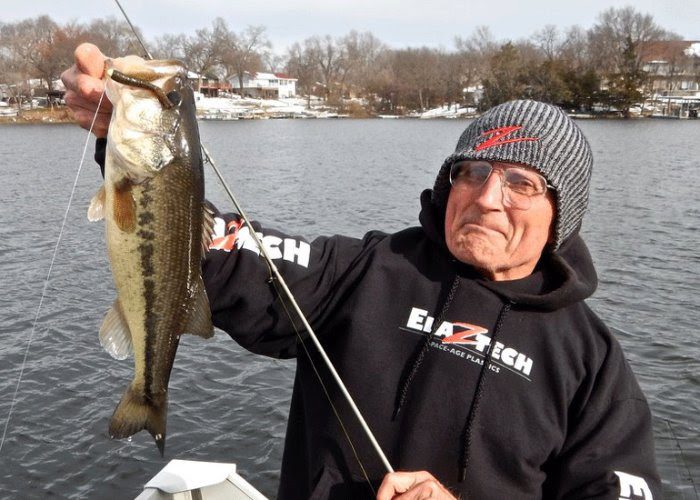
Ladson, SC (December 9, 2019) – Classy, kind-hearted and self-effacing to a fault, Ned Kehde likes to tell you the world has passed him by. That he’s not the angler he used to be. That he uses simple baits because he’s a simple man. The truth is, Kehde has a wise reason for everything he does; knows precisely how to make bass bite; and for goodness sake, knows more about the history of bass fishing—including exact months and years various events occurred— than almost anyone alive.

A retired archivist for the University of Kansas and legendary writer of fishing stories, Kehde recalls that April day in 2006 when the modern Midwest Finesse technique clicked into place. “I was in Japanese angler Shinichi Fukae’s boat at Beaver Lake,” Kehde recalls. “What immediately struck me were Fukae’s methods, which mirrored the finesse tactics my friends and I had adopted back in Kansas. Using a 3/32-ounce jig and shad-style worm, Fukae retrieved the lure a few inches off bottom, reeling and shaking as it went along.”

That same year, Kevin VanDam showed Kehde an early ElaZtech bait. The bait, a Strike King Zero, was the first ultra-durable soft stickbait manufactured by the parent company of what would eventually become Z-Man Fishing. Not long after, the Ned Rig was born. But we’ll let Ned take it from there . . .

Tell us about the history of what’s known today as Midwest Finesse fishing.

Kehde: A lot of folks think finesse bass fishing started in California, on those deep clear reservoirs, back in the 1970s and 80s. Actually, in the 1950s, a Kansas City angler named Chuck Woods was already fishing a soft lure called the Beetle on a spinning rod. Woods designed the Beetle, Beetle Spin and Puddle Jumper—three classic finesse lures—and also created the first Texas-rigged jigworm.

I first met Woods at a Kansas City tackle shop in 1970. He was a taciturn old cuss, but I believe he probably caught more Kansas largemouth bass than any man in history.

Guido (Little Gete) Hibdon was another legendary Ozarks angler who regularly wielded a spinning rod rigged with a light jighead and soft plastic bait long before Western anglers. The first time Midwest finesse met Western waters was when Drew Reese fished the first ever (1971) Bassmaster Classic at Lake Mead. Reese finished in 7th place, fishing a jigworm and Beetle Spin. Finally, during a 1980s trip to Mille Lacs, Minnesota, Ron Lindner put a Gopher Mushroom jighead in my hands. I was amazed by how you could drag this jig over rocky terrain and rarely get hung up.

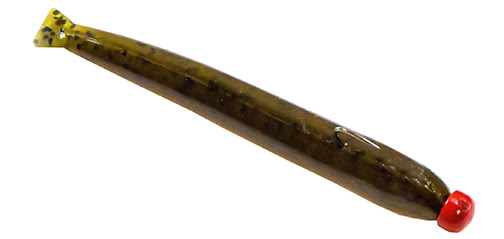
Kehde says the TRD MinnowZ is one of the most underrated, durable and productive finesse baits ever created.

Beyond the history, what’s one thing most folks today should know about Midwest finesse tactics?

Probably the most misunderstood and yet most important thing about the way we fish is what we call a no-feel retrieve. Most anglers prefer to fish a jig so they’re in constant contact with it, mostly hopping it along bottom. But the way we prefer to fish, if you’ve got constant contact it means you’re using too heavy of a rig.

I’m primarily fishing from 3 to no more than 12 or 15 feet deep, mostly with 1/32- and 1/16-ounce jigheads. One favorite retrieve among Midwest Finesse anglers is something we call swim-glide-shake. We’re retrieving the lure 6 to 12 inches above the bottom, which is difficult to do with a heavier ¼- or 3/16-ounce jig. We like to err on the side of lightness. I guess you could say we try to use our intuition to figure out what the bait is doing — sort of let the soft ElaZtech material naturally shake, shimmy and do its thing without getting in its way too much. It sounds more complex than it really is because when coupled with the right line (Kehde prefers 15-pound braid), you immediately detect any resistance the lure encounters. That includes sensing the difference between the lure contacting filamentous algae, a twig or a lightly biting bass.

Why do you prefer a 1/16-ounce jig with a #4 hook for most of your fishing?

A 1/16-ounce #4 mushroom is the most unbeatable jig in the history of the world. We already talked about how this shape performs so beautifully around cover. But it really allows an ElaZtech bait to do its thing — shake and shimmy — without getting in its way. I know a lot of anglers think a #4 hook is too small, but to me, a bigger hook doesn’t slide through brush or vegetation nearly so well as a #4, which is almost snag-free.

I also feel like I do way less damage to the fish with a smaller hook. But beyond that, a bigger hook just gets in the way of the bait’s gyrations, sort of neutralizes some of the magic of super-soft, buoyant ElaZtech baits.

What’s the deal with your favorite red jighead?

I was already a fan of red jigheads when I fished with Shin Fukae that day on Beaver Lake, back in 2006. He was using red and doing a number on the fish, which really reinforced my beliefs and confidence in the color. Fukae also used red nail polish to paint polka dots on his crankbaits and topwaters.

Years before that, Gopher Tackle owner Conrad Peterson would constantly urge me to fish “red, red, red,” regardless of water clarity. But when red isn’t going, I like blue and chartreuse, too. A blue jig is especially effective during the bluegill spawn. A flash of blue really mimics that super vivid hue present on a bluegill’s pre-dorsal area. Another hot pattern lately has been a Junebug colored Finesse TRD with a chartreuse jighead.

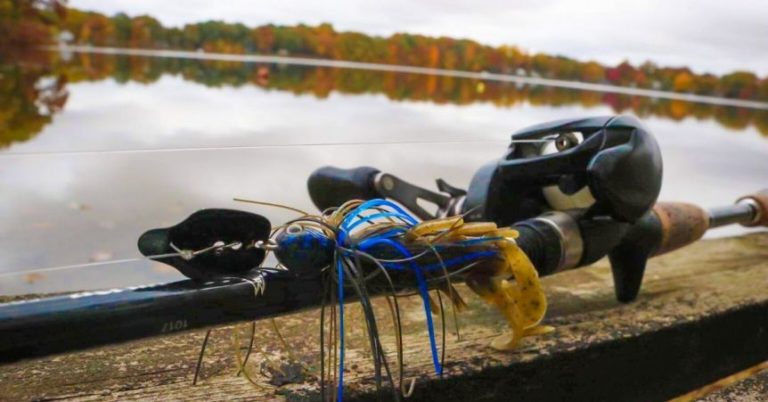
Kehde’s favorite red mushroom jighead, this one rigged with a Finesse TRD and TRD SpinZ for extra flash and vibration.

What’s your record for the most bass caught on a single ElaZtech bait?

I believe the all-time record was 232 fish on a single 4-inch Z-Man Finesse WormZ. Few years ago, while testing a prototype of the TRD HogZ, we caught 55 bass in 69 minutes. When I mailed the bait to Z-Man, it had already produced 112 fish, and was still in really good shape.

Although the Finesse TRD and ZinkerZ receive most of the press, what are a few of your other favorite finesse baits?

One bait that for sure deserves more attention from finesse anglers is the TRD MinnowZ. The MinnowZ moves totally different in the water than the Finesse TRD. It totally lacks salt, making it exceedingly durable, buoyant and lively underwater. My fellow finesse anglers have caught untold numbers of bass on this bait, rigged on a mushroom jighead or a dropshot, including some 8-pound lunkers.

From my experiences, the TRD MinnowZ possesses some of the attributes of a reaper, stick-style bait, and worm, all in one. I prefer to rig it with 1/32-ounce jig so the bait lays flat on its side, aligning the tail horizontally. It offends the eyes of some anglers, but the bait fishes beautifully this way. The ultralight 1/32-ounce jig produces a wonderful glide effect. Jerk the bait once and let it glide. With this combo, 10 to 25 fish an hour is a realistic goal.

The Finesse ShadZ is another serious fish catcher. It’s got an incredibly appealing shad-shaped profile that bass respond to. Because it lacks salt, the extra-buoyant, super-soft bait fishes light and with tremendous, subtle undulations. These manifold virtues enhance the ShadZ’s ability to render an unparalleled no-feel retrieve.

A weedless Ned Rig alternative, the Finesse BulletZ weedless jighead dressed with a TRD MinnowZ.

What factors do you think account for the popularity of the Midwest Finesse (Ned Rig) style of fishing?

Well, I look at tournaments after all these years of observing the best anglers and am still amazed by how few fish they catch in competition. Fishing for five big fish is not a good way for us or the everyday angler to propagate the sport.

I think tournaments have exaggerated the price of what it truly costs to go fishing. It’s important for recreational anglers to understand that fishing really can be much simpler, and much less expensive than it’s too often purported to be. Midwest finesse style fishing pares everything down to its bare minimum—just you, a simple jig and lively bait and the bass. Every angler can relate to that. At the end of the day, most of us just want to catch a bunch of fish.

Ned Kehde, Lawrence, Kansas, is a retired university archivist, fishing guide and longtime outdoor writer who has helped fine-tune a phenomenal fish-catching system known today as the Ned Rig. Connecting hundreds of anglers across the continent, Kehde’s online Finesse News Network features some of the most detailed fishing reports ever written. At the heart of the Ned Rig system, always, are a mushroom shaped jighead and an ElaZtech finesse-style bait. In recent years, the popularity of the Ned Rig has proliferated well beyond its Midwestern roots, becoming a staple presentation among recreational and tournament anglers across North America.

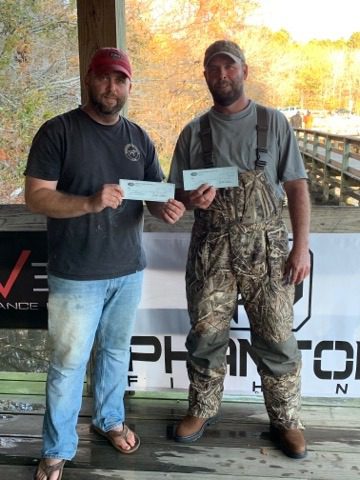
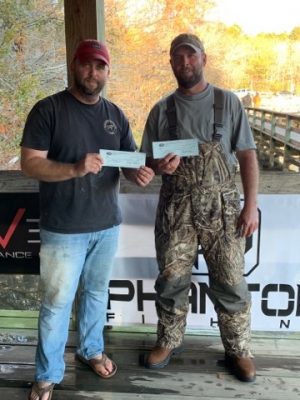
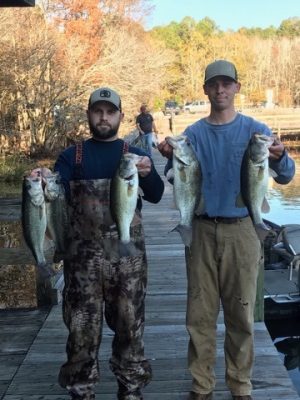
Trey & Jamie Ryan Win CATT Sparkleberry Swamp Quest Lake Marion, SC Dec 7, 2019

Next CATT Sparkleberry Swamp Quest is Dec 28th at Packs!

Trey & Jamie Ryan win with 17.15 lbs! Good job guys!

2nd went to Zack Hayes & Roddy Cross

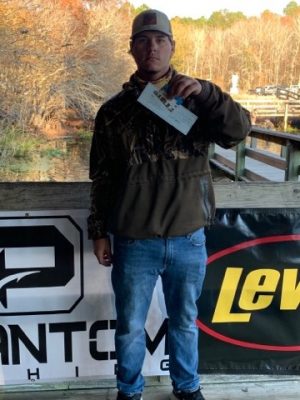
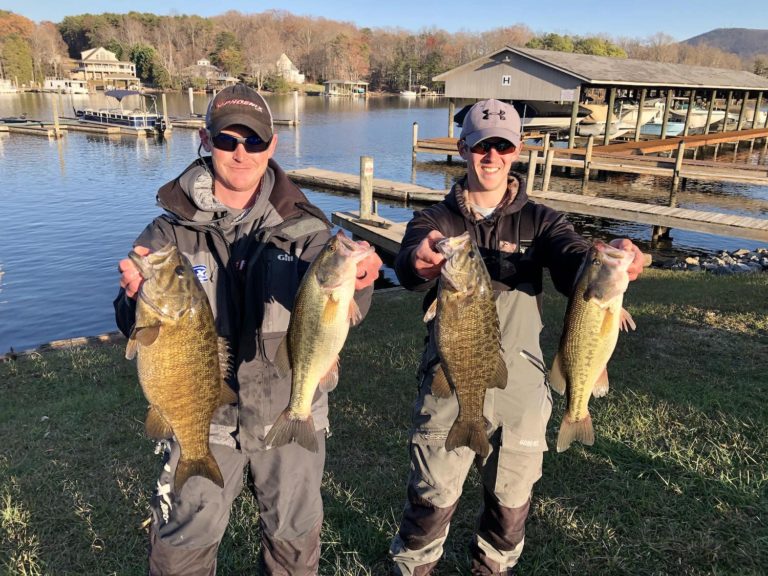
BF was weighed in by Danny Shanz & Colt Armstrong. They took home $50 plus an Academy Gift Card!

10 Teams BF Weight Winnings Points
Trey Bryan – Jamie Bryan 0.00 17.15 $475.00 110
Zack Hayes – Roddy Cross 0.00 16.80 $110.00 109
Paul Geddings – Bruce Peavy 0.00 15.62 108
David Eargle – Rolston Eargle 0.00 14.87 107
Allen Bowzard – Victor Moore 0.00 13.48 106
Danny Shanz -Colt Armstrong 4.88 12.11 $50.00 105
Mason Miles – Matt Baxley 3.29 10.75 104
Austin Kitterman- Romaro Hollis 0.00 6.96 103
Steve Drummond – Hunter Atkinson 0.00 0.00 102
Wesley Bilton 0.00 0.00 101
Total Entrys $500.00 101
BONUS $ $225.00
Total Paid At Ramp $635.00
Swamp Quest 2019 Fall Final Fund $60.00
2020 CATT Championship/Phantom Fund $0.00
Swamp Quest Final Fund Total $360.00
2020 CATT Championship/Phantom  Fund Total $1,855.00

Technical Jacket for Changeable Conditions

0

Technical Jacket for Changeable Conditions

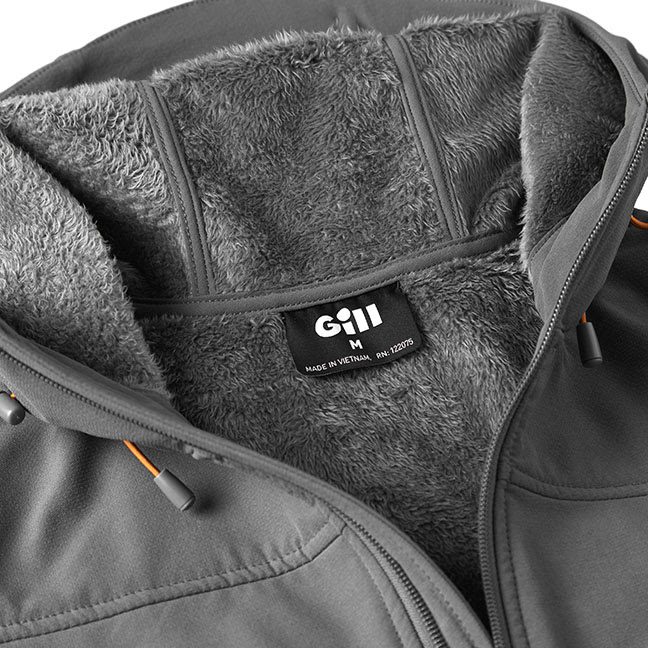
GILL’s new Rock Softshell Jacket combines durability, flexible fit, warmth and water repellence

Buford, GA (December 9, 2019) – ‘Tweener’ conditions are real. It’s not hot. It’s not cold. It’s that all-too-common range in between. Think of those days fishing or hiking or just walking to work when temperatures are between 35 and 60 degrees. A heavyweight jacket is too much, lightweight not enough. To that end, Gill introduces the ‘just right,’ and calls it the Rock Softshell Jacket.

The highly technical and masterfully designed Rock Softshell laces together a wealth of premium features, starting inside with a hi-loft thermal lining. Yielding exceptional warmth, the remarkably soft material also welcomes baselayer garments for colder conditions.

The Rock Softshell’s outer shell material is a modern marvel. Predicated on a durable, two-layer stretch fabric, the extraordinary material also repels water. For the angler or mariner, it means a stylish jacket that flexes and articulates without resistance on every cast or turn of the tiller, all while ocean sprays and light rains are held at bay.

Its functional features are equally thoughtful. Outdoors enthusiasts will appreciate the precisely appointed, zippered handwarmer pockets, which are ideal for quick warm-ups in the field. To that, the Rock Softshell Jacket’s anatomically shaped sleeves finish in an adjustable hemmed cuff, creating the perfect wrist-fit for adding gloves to the equation without interference to one’s grip on the rod or wheel.

Finally, Gill’s Rock Softshell Jacket includes a technical hood with generous front neck protection and advanced and easy-to-manipulate adjustments to gain the perfect fit, with or without your lucky fishing hat.

Features and technology collected, Gill’s Softshell Jacket is the best, most versatile fishing jacket in its class. Available in men’s sizes XS to 3XL, the jacket has an MSRP of $175 USD and is available at retail and for online purchase.

To learn more about Gill rainwear and fishing apparel, visit www.gillfishing.com.

6 Lures That Will Catch Bass Anywhere (Your New Lake Cheat Sheet) MTB

6 Lures That Will Catch Bass Anywhere (Your New Lake Cheat Sheet)

[print_link]

Packing your lures for waters you’ve already fished before should be no problem, but selecting baits for a trip to unfamiliar bass fisheries could turn into quite a guessing game. A little paranoia could set in as you fear you’ll leave behind the one lure that produces limits for local anglers. So you cram almost every lure you own in your boat and struggle to shut the lids of your overstuffed storage boxes.

Since they frequently encounter unfamiliar waters while competing on the tournament trails, bass pros usually rely on a handful of lures to avoid over-packing their boats.

Here are some of the pros’ lure choices that work in most conditions on nearly any bass fishery.

1) Crankbaits

Googan Squad Banger

Crankbaits are available in numerous colors, but most pros stick with four basic hues: chartreuse green, shad patterns, chrome and crawfish. They also select a variety of plugs that run from 1 to 12 feet deep. The pros can afford to take less crankbaits than other lures because they keep a lure retriever in their boat that prevents them from losing crankbaits.

2) Jigs

Gamechanger Trashmaster

Two plastic utility boxes can hold over 100 jigs in a variety of sizes and colors. The pros stock plenty of jigs in 3/8 and 1/2 ounces in black/blue and brown hues. Keep things simple with a few good versions of a casting, swimming, and football head jig and you’ll be all set. You can never go wrong with a black and blue or green pumpkin jig.

Clearwater – Green pumpkin, natural colors
Dirty Water – Black and blue, vibrant colors

3) Spinnerbaits

Z-Man SLINGBLADEZ DOUBLE WILLOW SPINNERBAIT

Some pros carry a couple hundred spinnerbaits to a tournament, but they suggest any beginning anglers should stock their boxes with a couple of sizes, blade combinations and colors such as 3/8- and 1/2-ounce models with Colorado and willowleaf blades. A spinnerbait with a chartreuse-and-white skirt can be used most of the time because it produces in both clear and murky water.

4) Soft Plastics

Yamamoto SENKO

The pros consolidate these lures into a box each of lizards, Senkos, creature baits, tubes, and craws/chunks. Each box contains different sizes of each type of these plastic lures. The pros color choices for each box are green pumpkin and June bug for lizards; smoke/red and black/red for tubes; black/blue, green pumpkin and watermelon/red flake for Senkos, creatures, craws and chunks.

5) Finesse Lures

BioSpawn Plasma Tail

If the pros know they will be visiting a heavily fished lake with clear water, they will also stock boxes with shaky head jigs, finesse worms and terminal tackle for drop shot rigs.

6) Seasonal Lures

10,000 Fish Death Stalker

Buzzbaits, topwater plugs and plastic worms can be stockpiled in separate boxes for fishing in warmer seasons. A box or two full of suspending stickbaits are a necessity when winter fishing on clear water lakes.

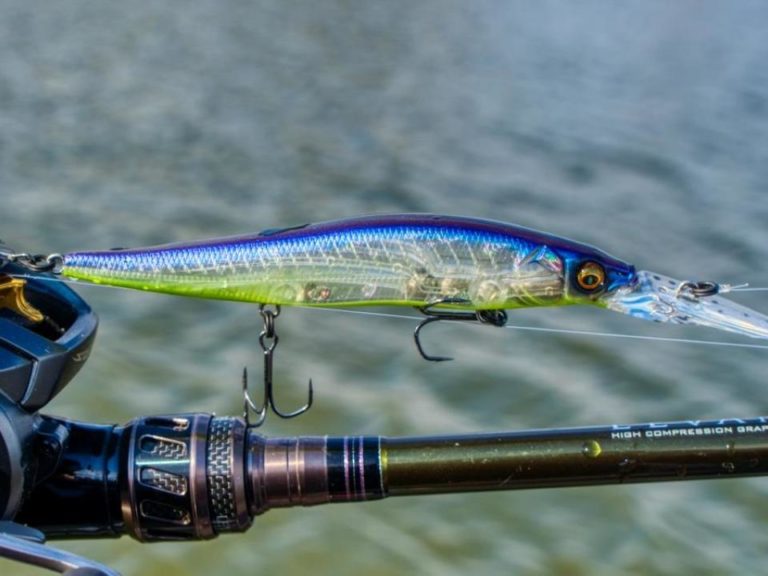
Megabass Vision ONETEN+2 Review By Jason Sealock

0

Megabass released the deepest of all jerkbaits this fishing season with the new Vision ONETEN +2. This jerkbait is said to reach bass down to 16 feet opening up a world of possibilities. So I was anxious to fish them this season. Unfortunately the first half of the year saw nothing but rainstorm after rainstorm, making for high waters, muddy conditions, flooded cover and so the spring jerkbait bite was impossible. But this fall I got to start using the ONETEN +2 and I’ve been fishing it a bunch now.

BASS EDGE THE EDGE Episode 309 David Dudley

0

Bass Edge Radio, presented by Megaware KeelGuard, features 2019 FLW Tour Angler of the Year David Dudley in this episode of their top-rated podcast. Bass Edge hosts Aaron Martin and Kurt Dove discuss with David his 4th AOY with the FLW Tour, the upcoming FLW Cup on Lake Hamilton and his favorite technique… Wacky Rigging!

4 Bass Fishing Lures For The Late Late Fall – MTB

4 Bass Fishing Lures For The Late Late Fall

[print_link]

The same productive lures you threw throughout early fall and mid-autumn will continue to trigger bites by late fall as long as you slow down your presentation.

As the water temperature continues to drop by late fall, baitfish start moving out of the shallows to deeper water and bass start losing some of their aggressiveness. While just about any lure in your tackle box caught active bass earlier in the fall, now the fish have become a little more moody with the colder water and weather conditions.

Bass still favor lures that best imitate baitfish, but which lure they prefer each day depends on the weather.  Here are five lures to try in various water and weather conditions to catch late fall bass.

Square Bill Crankbaits

Late Fall Fishing - Crankbait

This lure can be thrown in any weather conditions for late fall bass in stained water. The water is still warm enough to trigger reaction strikes from bass when the crankbait deflects off of stumps, logs and rocks less than 5 feet deep. You can still run the lure at a fast pace and then pause the crankbait after it bangs into something to trigger a strike.

Spinnerbaits

Late Fall Fishing - Spinnerbait

A 1/2-ounce chartreuse-and-white spinnerbait with tandem willow-leaf blades is great for sunny or cloudy days when the wind is blowing. Try slow-rolling the blade bait in stained water in the backs of pockets around docks, logs and laydowns about 7 to 10 feet deep.

Buzzbait (In The South)

Late Fall Fishing - Buzzbait

This topwater bait can still produce big bass in late fall even when the water temperature drops into the low 50s. I throw a 1/2-ounce buzzer with a big blade, which helps keep the lure on the surface while I retrieve it slow and steady enough to make it bubble.  The buzz bait works best in stained to dirty water on cloudy days with a slight chop on the surface around laydowns, rocks banks and sides of docks.

Finesse Jigs

Late Fall Fishing: Jig

It’s hard to beat a jig for any weather or water condition in late fall, but the optimal time to throw the lure is during post-frontal conditions. The great thing about a jig is the lure produces using a variety of retrieves such as crawling, hopping or swimming it. Slowly crawling the jig along wood cover or docks works best after a cold front hits and calm, bluebird skies prevail. Match a 3/8-ounce jig with a magnum-sized plastic chunk to create a slow-falling bait to trick inactive bass into biting.

Chad & Elliot Pilosn Win the 2019 Bass Cast Classic on SML with 17.57 lbs

We would like to thank everyone that come out & fished the 2019 Bass Cast Tournament trail the year. We had 17 teams fish the Classic, with over half the field weighing fish the team of Chad & Elliot Pilson brought in the winning bag weighing 17.57 lbs. Congratulation to them on winning 3/6 events for the 2019 season and taking home $1,580. Congratulations to them on their win. Please check out the videos &results bellow.

CLICK HERE TO SEE RESULTS

Thank you to Dick’s Sporting Goods for being our Lunker Sponsor

Book Your next Stay & Save 20% At Halesford Harbor Inn

Finding The Hotspots For Cold Water Bass

0

Finding The Hotspots For Cold Water Bass

[print_link]

Bassin’ Bill took over the MTB YouTube channel to showcase his cool water angling skills. Living in the big mitten (Michigan) Billy is used to fishing in frosty temps. Watch along as he breaks down his favorite techniques for targeting cold water bass.

1) Sandy or Weedy Flats

Shallow water areas with sand and vegetation retain heat well later into the year. Billy likes to slow roll a chatterbait over the tops of grass mimicking the action of a small fish. Bass are known to move shallow late into the fall. They use this time to put the feedbag before pushing back out to deeper water for the winter months.

2) Back Of Pockets

Shallow water not only retains heat but it also can be home to a lot of aquatic life later into the year. Baitfish will push back up shallow into these pockets and bass won’t be too far behind.

Bonus tip – Look for metal or rocks in these pockets, they will retain heat much easier than other parts of the lake.

3) Shallow Weeds – Lilly Pads Or Submergent Vegetation

Shallow weeds, pads, grass, and reeds are good areas to target during this time. Bill likes to slow roll a chatter bait through clumps of grass. The loud thumb paired with a tight wobbling action allows Bill to cover water, call in fish, and provide a streamlined presentation.

Lilly pads may have died out during this time but this video is proof that bass will relate to lily pad stems later into the year.

4) Breakwalls or Retaining Walls

It’s clear, Bill believes that you need to be fishing in warm areas. There are few better things at retaining heat than metal break walls. Flipping small ned rigs tight to the wall. Finesse baits in the cool weather always prevail.

5) Winter Holes

Billy demonstrates how fish can be caught in two completely different areas during the later fall. While some bass is pushed up shallow taking advantage of warming temps. Other fish will push out deeper and relate to areas more common to winter fishing.

Look for transition spots from shallow to deep water and target those areas for Bass. Ned rigs, football jigs, and shaky heads are popular baits for offshore fishing later in the year.

Rain Rain Go Away – 4 Hacks For Fishing In The Rain

Rain Rain Go Away – 4 Hacks For Fishing In The Rain

[print_link]

Fishing in the rain has always been either feast or famine for me. I’ve caught plenty of fish during rainstorms but I wouldn’t say that it’s my favorite time to fish. However, over the years, I’ve learned a few rainy day hacks that have helped me put a land a few more fish. Here are a few quick tips on fishing in the rain.

Dress For Success

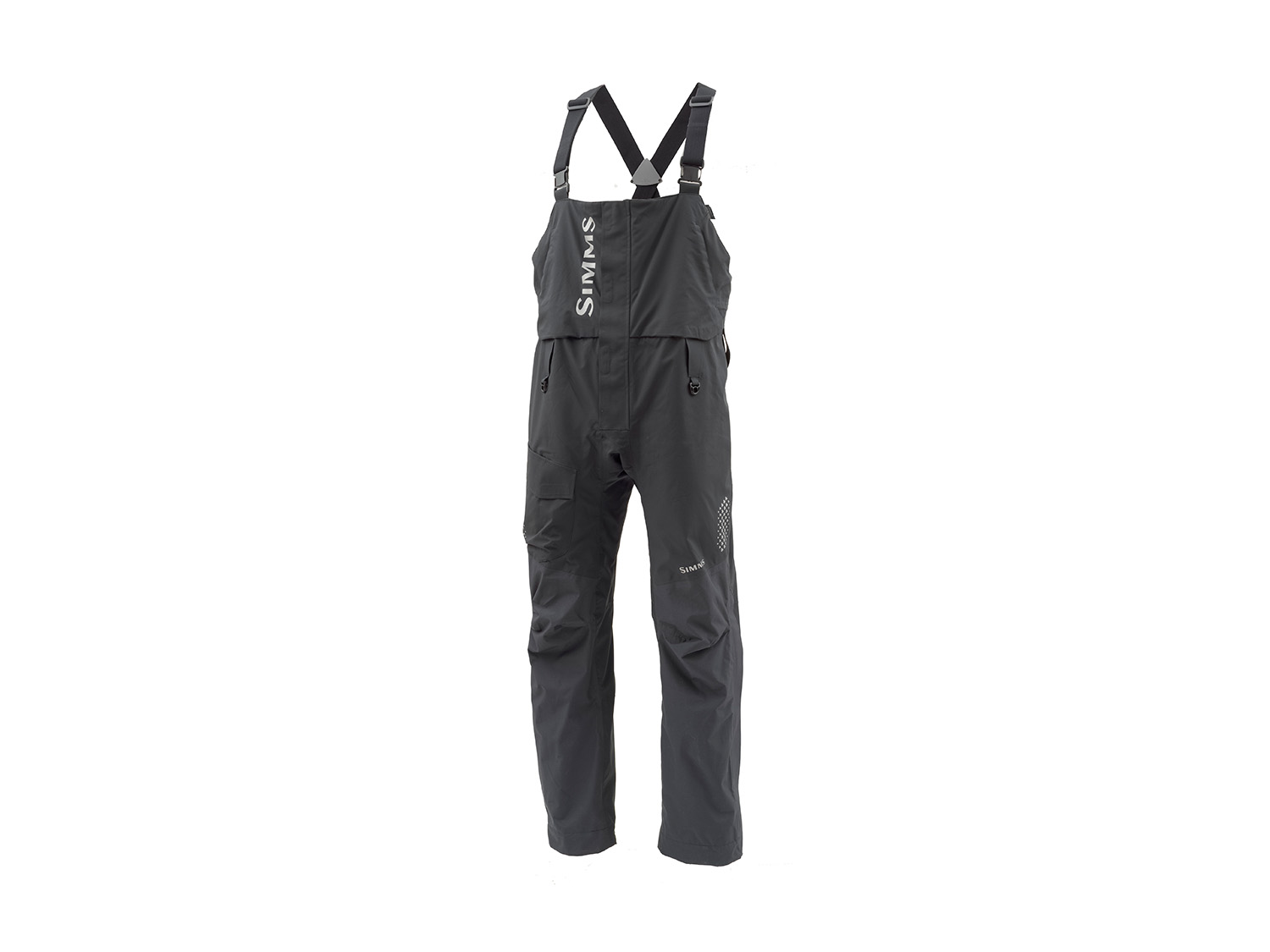
Simms Challenger Bibs

Staying dry is key. It’s number one on my list because it’s the number one reason people don’t last very long in the rain. They either get wet or get cold. Or they get wet and cold. Anytime you’re fishing be prepared for the weather, this becomes even more important during the stormy days.

Invest in a good rain suit once and you’ll thank yourself for years to come. However, if you’re looking to stay dry on a budget, look for the Foggs Toggs rain set at any local Walmart. A pair of rain pants and jacket will cost you under $30. Not best rain suit but good enough to keep you dry. Plus they’re super lightweight.

Go With The Flow

Fishing In The Rain

Culverts, drainages, feeder creeks and other areas you see water dumping into a lake or river are good areas to sling a cast. The surge of flowing water serves as a conveyor belt serving up fresh nutrients to awaiting fish looking for an easy meal. Cast into the flowing water and work your lure in the direction of the current. This is the direction fish will be facing and feeding.

Move Up The Bank

Fishing In The Rain

As the water rises, hungry fish push up closer to the bank searching out areas that were just recently dry land. Fresh food and a chance to check out new roaming grounds are reasons fish push up shallow during rainstorms. Rain also stains water which decreases visibility. For added security, some fish glue themselves to shallow water cover like brush, trees, and docks. Work your bait tight to shallow water cover and don’t be afraid to really bump right against the stuff you’re fishing. Some of my best bites in the rain have come by bumping spinnerbaits against hard cover.

Try A Topwater

Fishing In The Rain

On warmer rainy days don’t be afraid to pull out a topwater bait. Some of the best surface explosions I’ve ever seen fishing have happened on a wet day. Whopper Ploppers, buzzbaits, and walking stickbaits are three of my personal favorites.

That’s it! Those are my three tips for fishing in the rain, hopefully, you’ve soaked up these tips and are ready to venture outside.

One more thing…. If you hear thunder or see lighting – GO HOME. Most rods are made of graphite which is an electrical conductor. It’s not a good idea to be outside during a lightning storm and definitely not a good idea to be waving a metal rod over you’re head. Tight lines and stay safe!

How useful was this post?

Click on a star to rate it!

Average rating 4.8 / 5. Vote count: 11