Monday, December 22, 2025
Home Blog Page 892

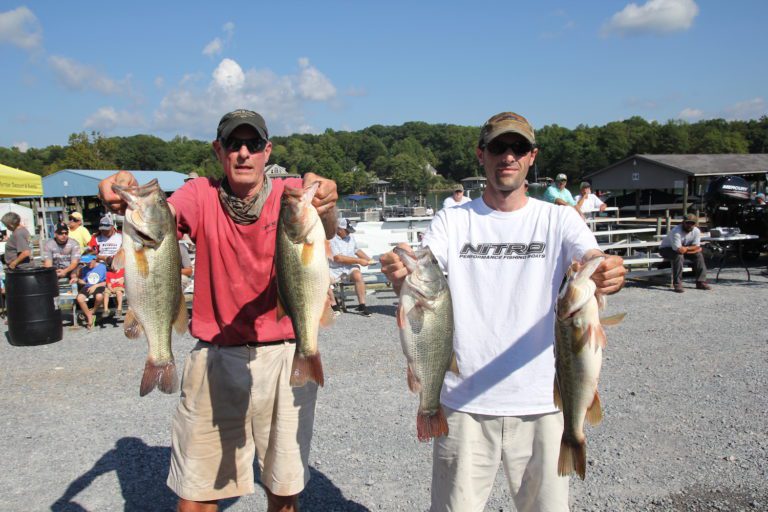
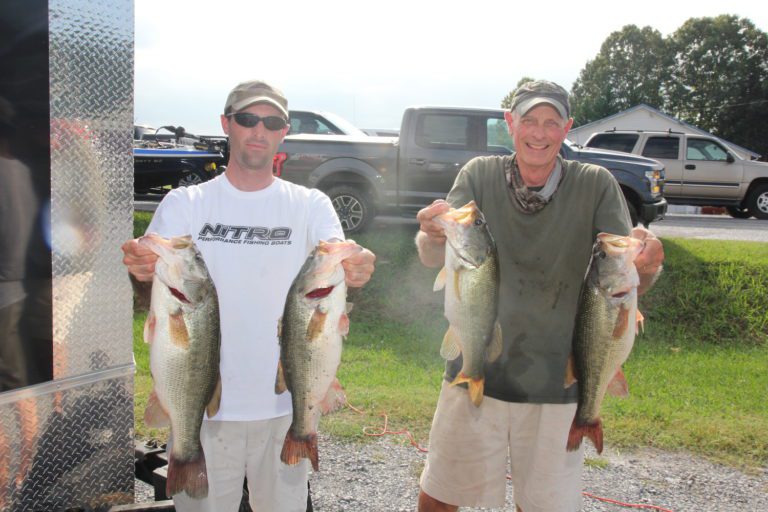
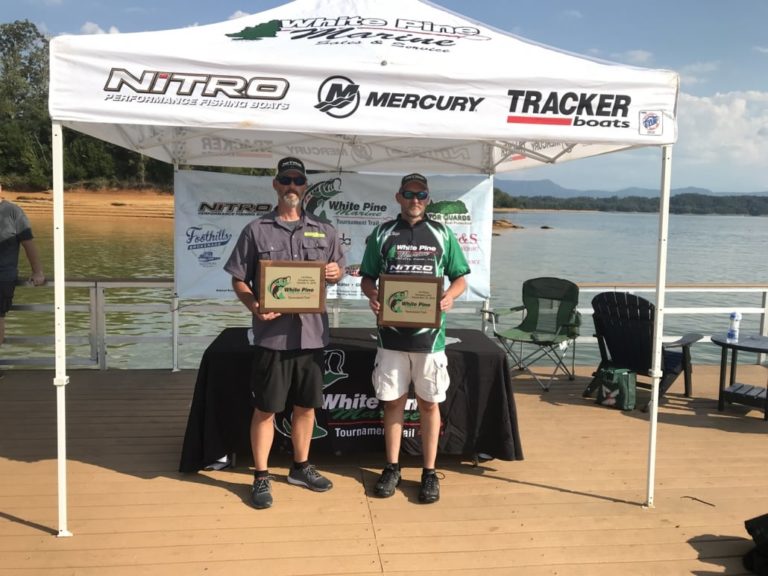
Jeff & Clay Ross Win 2018 Angler’s Choice Classic by .54 Ounces October 7th 2018

On an almost 80-degree day in October 116 teams fished the final day of the 2018 Angler’s Choice Classic on SML for their chance to win a grand prize Ranger Boat. With Jeff & Clay having only a few ounces leads in day 1 it was still anyone’s game for day two and what a weigh in it turned out to be. Ounces separated one of the closest wins in Classic History for the team of Jeff & Clay Ross. The Arthur’s finished the event in 2nd with a two-day total weight of 39.30lbs. With another win & another boat for the Rosses, how long will this streak last? I believe no one will know we will have to wait & see when 2019 arrives.

CLICK HERE TO SEE FINAL RESULTS

TEXAN DICKERSON WINS COSTA FLW SERIES SOUTHWESTERN DIVISION FINALE ON FORT GIBSON LAKE PRESENTED BY MERCURY

TEXAN DICKERSON WINS COSTA FLW SERIES SOUTHWESTERN DIVISION FINALE ON FORT GIBSON LAKE PRESENTED BY MERCURY

Tommy Dickerson wraps up 2018 Costa FLW Series Southwestern Division season with win, earns $80,503

[print_link]

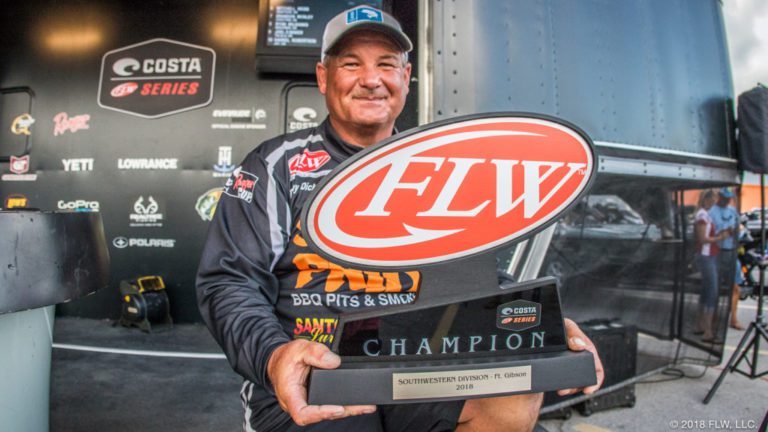
WAGONER, Okla. (Oct. 6, 2018) – Pro Tommy Dickerson of Orange, Texas, brought three bass weighing 5 pounds, 13 ounces, to the scale Saturday to win the Costa FLW Series Southwestern Division finale on Fort Gibson Lake presented by Mercury. Dickerson’s three-day total of 13 bass weighing 32 pounds, 6 ounces, was enough to earn him the top prize of $80,503, including a brand new Ranger Z518C boat with a 200-horsepower Evinrude or Mercury outboard.

Dickerson actually finished with the same three-day total weight as Coweta, Oklahoma, pro Kyle Cortiana. However, according to tournament rules, ties on day three are resolved by day two standings. Dickerson was in first place after day two, and Cortiana in fourth, so Dickerson was declared the champion.

The Texas pro caught his fish using a Santone spinnerbait in the back of a creek far up the Grand River. Accessing the creek required him to pull and grind his way over a shallow shoal with his trolling motor – a perfect scenario to avoid the heavy fishing pressure from other competitors on the main lake. On day one, accessing the creek went smooth and easy. On day two, getting in and out was a much bigger challenge due to falling water.

“I got stuck several times and began to think I wasn’t going to get back out,” Dickerson recalls.

By the final morning, the water had dropped enough that, despite 30 minutes of work, Dickerson couldn’t get in. He spent a couple hours fishing secondary areas on the main river, where he noticed a clue that eventually led to his winning move.

“The current was running in the river, and the water was coming back up,” he says. “I’ve heard this lake can come up a foot in a couple of hours, so I decided to fish out on the river for a while, bide my time and try it [getting into the smaller creek] again later.”

When Dickerson returned, he skated easily over the shoal and into the deeper water beyond it. Dickerson slow-rolled his spinnerbait in waters that were about 4 feet deep, intentionally making contact with rocky areas and boulders that were about 2 feet down.

“The water was too stained to see the rocks, so I just fluttered the spinnerbait down there until I felt the rock,” he says. “If I could get that spinnerbait to deflect off a rock, one would eat it.”

With his time cut short due to the falling water, Dickerson wasn’t able to work the creek over as thoroughly as he’d have liked, but with three keepers he weighed in just enough to get his third FLW victory.

“Yeah, you might say it’s been a week of ounces and inches,” Dickerson adds. “That just shows you how hard it is to win one of these things. The last one I won was 12 years ago at Lake Texoma. And trust me, the older you get, the more you appreciate these wins because you just don’t know how many more chances you’re going to get.”

The top 10 pros on Fort Gibson Lake finished:

1st:          Tommy Dickerson, Orange, Texas, 13 bass, 32-6, $80,503

2nd:         Kyle Cortiana, Coweta, Okla., 13 bass, 32-6, $13,199

3rd:         Brady Winans, Caddo Mills, Texas, 9 bass, 32-0, $10,371

4th:         Cody Bird, Granbury, Texas, 14 bass, 29-14, $8,451

5th:         Tommy Biffle, Wagoner, Okla., 9 bass, 29-14, $7,606

6th:         Mitchell Webb, Skiatook, Okla., 13 bass, 27-11, $6,761

7th:         Brandon Mosley, Choctaw, Okla., 11 bass, 27-9, $5,916

8th:         Ryan Wilbanks, Wagoner, Okla., 10 bass, 23-6, $5,070

9th:         Joel Baker, Talala, Okla., 9 bass, 23-5, $4,225

10th:       Darrel Robertson, Jay, Okla., 7 bass, 22-15, $3,380

A complete list of results will be posted at FLWFishing.com.

Randy Despino of Colfax, Louisiana, caught a 6-pound, 7-ounce fish on Thursday that earned him the day’s Boater Big Bass award of $230. Brady Winans of Caddo Mills, Texas, won the Boater Big Bass award on Friday with a 4-pound, 10-ounce bass worth $230.

Johnny Burke of Bristow, Oklahoma, won the Co-angler Division and a Ranger Z175 with a 90-horsepower outboard motor plus a $5,000 Ranger Cup bonus with a three-day total catch of 7 bass weighing 17 pounds, 2 ounces.

The top 10 co-anglers on Fort Gibson Lake finished:

1st:          Johnny Burke, Bristow, Okla., 7 bass, 17-2, $27,100 + Ranger Cup ($5,000)

2nd:         Mason Roach, Willis, Texas, 5 bass, 11-0, $4,309

3rd:         Tate Brumnett, Wagoner, Okla., 4 bass, 10-5, $3,407

4th:         David See, Beggs, Okla., 4 bass, 10-1, $2,982

5th:         Charles Parker, Broken Arrow, Okla., 4 bass, 9-14, $2,556

6th:         Robin Babb, Tulsa, Okla., 3 bass, 9-14, $2,130

7th:         Johnny Horton, Collinsville, Okla., 3 bass, 9-5, $1,857

8th:         Phillip McBrien, Fairland, Okla., 4 bass, 9-5, $1,491

9th:         Toby Wallace, Tolar, Texas, 3 bass, 8-14, $1,431

10th:       Ronnie Kane, Gravois Mills, Mo., 3 bass, 7-14, $1,065

Toby Wallace of Tolar, Texas, caught a 4-pound, 13-ounce bass on Thursday that won the day one Co-angler Big Bass award worth $153. Johnny Horton of Collinsville, Oklahoma, won the Co-angler Big Bass award on day two with a 4-pound, 6-ounce fish worth $153.

The Costa FLW Series on Fort Gibson Lake was presented by Mercury and hosted by the Wagoner Area Chamber of Commerce. It was the third and final FLW Series Southwestern Division tournament of the 2018 regular season. The next Costa FLW Series tournament will be the Central Division finale, held Oct. 10-12 on Lake of the Ozarks in Osage Beach, Missouri, and is presented by Evinrude. For a complete schedule, visit FLWFishing.com.

The Costa FLW Series consists of five U.S. divisions – Central, Northern, Southeastern, Southwestern and Western – along with the International division. Each U.S. division consists of three regular-season tournaments with competitors vying for valuable points that could earn them the opportunity to compete in the season-ending Costa FLW Series Championship. The 2018 Costa FLW Series Championship is being held Nov. 1-3 on Lake Guntersville in Guntersville, Alabama, and is hosted by the Marshall County Convention and Visitors Bureau.

For complete details and updated information visit FLWFishing.com. For regular updates, photos, tournament news and more, follow the Costa FLW Series on FLW’s social media outlets at FacebookTwitterInstagramYouTube and Snapchat.

Jeff & Clay Ross Lead Day 1 of 2018 Angler’s Choice Classic on SML With 20.56lbs

116 Boats are competing in the 2018 Angler’s Choice Two Day Classic on Smith Mountain Lake. What a day one with no stranger to being in the lead Jeff & Clay Ross have a slim .87lb lead over second place Mike Hicks & Rick white with 19.69lbs. Tomorrow is another day & there are a lot of big sticks out there competing to take home the grand prize of a 2018 Ranger valued at $42,000. Stay tuned we will have an interview & more photos from day 2 to share tomorrow.

CLICK HERE TO SEE DAY 1 RESULTS

3 Jointed Stickbait Tips For Catching Bass On Top, All Year Round – MTB

[print_link]

The jointed stickbait is a lure that continues to produce fish. Some lures attract more fishermen than they do fish and eventually become novelty items for lure collectors. Others catch boat loads of bass, but mass production and excessive use makes these lures less effective when bass become conditioned to them. Then there’s the lures designed for other species, which innovative anglers have converted into their secret baits for bass.

One such lure that falls into the third category is the jointed stickbait. For years anglers at Table Rock and Bull Shoals lakes remained tight-lipped about how they caught postspawn bass. Topwater lures such as Rebel Pop-Rs and Zara Spooks caught a fair amount of bass during that time, but only some of the local anglers knew the virtues of throwing a jointed stickbait for postspawn bass until the tactic was exposed in magazine articles.

The Orginal Jointed Stickbaits

Jointed Stickbait


The pioneers of this technique originally threw the Cotton Cordell Jointed Red Fin, a stickbait used primarily by saltwater anglers along the Gulf Coast for redfish and speckled trout.  The Red Fin is still a popular choice for postspawn bass but other lure options are now available.

The Table Rock guides set up their clients with jointed stickbaits because they considered the lures to be the easiest topwater bait to work. The jointed body generates plenty of action even when retrieved slowly making it ideal for novice anglers to use.  Most jointed stickbaits are equipped with split rings that allow you to tie your line directly to the lure without having to use a loop knot for increased action.

Despite being larger than a lot of topwater lures, the jointed stickbait plays more of a finesse role as a surface bait.  A chugger or Zara Spook is designed to make a splash whereas the front of the jointed stickbait will make a small wake and the tail will just wobble behind it.

Best Times To Fish A Jointed Stickbait

Jointed Stickbait

The best time to use a jointed stickbait on the surface is after bass leave the nests and migrate to main lake points where the fish school up and chase shad.

Just like other topwater lures, jointed stickbaits work best in overcast weather.  The lure is also productive during the low light of morning. The lure also works better than a walking topwater bait if it’s windy. Jointed stickbaits trick some bass in stained water, but it produces best in clear water.

A slow, steady retrieve works best for this broken-back plug.   Keep the lure on the surface all the time by reeling just fast enough to where the lure won’t submerge.  Holding your rod tip high during the retrieve helps keep the nose of the lure up so it waddles along the surface.  Most of the time you can just reel in a straight and steady fashion, but once in a while try some little twitches if you are not getting enough action out of the lure. If the wind picks up where there is a little chop on the surface try a steady shake of the rod tip to create more action.

The mood and depth of the fish will also dictate how to retrieve the jointed stickbait.  Sometimes you might have to retrieve the lure at a medium pace to make the stickbait wiggle and swim 2 to 5 inches below the surface.

Shad patterns and subtle colors work best for working jointed stickbaits on the surface.   Try combinations of black back with pearl gray sides or blue or black back with chrome or white sides in most situations.  If the sun is causing too much glare on the chrome lure, switch to a bait with bone-colored sides. If bass ignore these colors, try translucent shades rather than solid colors.

Strikes on the jointed lure vary from subtle swirls just under the surface to hard smashes on top.  One of the big thrills about this lure, especially in clear water, is you can see the fish come up and nail it.  Most of the time the strikes are subtle with bass coming up from behind the lure and just sucking it down.

Jointed Stickbaits: Tools For The Job

Jointed Stickbait

A 7-foot medium action casting rod with a soft tip is a necessity for making long casts with a jointed stickbait.  In addition to improving casting distance, the soft tip also prevents you from pulling the lure away from the fish during the strike.    A lower gear ratio reel (5.2:1 or 5.1:1) is best for this technique because it helps you retrieve the lure at a slow pace.

When fishing open water along a bluff or point, you can use line as light as 12-pound test.  For most situations you can work a jointed stickbait on 14- to 15-pound test but if you are retrieving the lure  over standing timber treetops or through heavy cover, you should upgrade to line as heavy as 20-pound test.

Save 30% On Your Tackle!

mystery-tackle-boxIt’s time to join the club! With a Karl’s Club Membership, you’ll save 30% on all your tackle purchases, receive access to members only deals, AND 50% off your first order! Join Karl’s yearly club to save on everything in Karl’s Bait & Tackle Shop!

Learn More

What Are “Feeder Creeks” And Why Should We Fish There? MTB

What Are “Feeder Creeks” And Why Should We Fish There?

Feeder creeks have all the right stuff for the making of a top-notch bass factory. Allow us to explain.

What Are Feeder Creeks?

feeder creeks fishing

Creeks flowing into lakes are known as feeder creeks, which provide consistently good bass fishing throughout the year. The section where the creek flows into a natural lake or manmade reservoir features a steady flow of oxygenated water into the lake providing bass with food and more comfortable water temperatures –cooler in the summer and warmer in the winter—than the main lake. The creeks also contain plenty of natural cover for bass including plenty of log laydowns, shallow vegetation and large rocks.

Large feeder creeks on reservoirs widen out and become separate arms of the lake. These feeder creek arms contain a myriad of habitat to help bass reproduce and thrive. The arms usually contain several channel swings and good spawning flats close to those channel swings.

Feeder creek arms tend to have off-colored water in the spring due to rain runoff. These arms also tend to warm up quicker than the main lake during the spring. The water temperature could be 3 to 4 degrees higher on the upper section of the feeder creek than the lower end where it intersects with the main lake.

Fishing Feeder Creeks During Prespawn

creek fishing

During the prespawn, bass start moving to the back of the feeder creek in the area where they stages on the last section of deep water whether it is a little drop or a bluff edge. Prespawn bass will also cruise gravel points anywhere from 1 to 7 feet deep.

If the lake level is low during the prespawn, throw a suspending stickbait to catch bass and as the water continues to warm switch to a medium-diving crankbait. If heavy rains cause the creek to rise, target flooded shoreline bushes and flip a jig and plastic craw into the shallow cover. Slow-rolling a spinnerbait is another effective way to catch prespawn bass in the bushes.

Prespawn bass will also pull out to the flats when the lake is high. Key on flats that have a bottom contour change of mud to sand mixed with a few rocks. You can catch plenty of bass then with a Carolina-rigged 6 or 8-inch plastic lizard until the fish move in to spawn.

Look for nesting bass in the upper lake section of the feeder creek along the sandy flats with bushes and log laydowns or in short pockets loaded with bushes and wood off the main feeder creek channel. Key on the shallowest cover you can find. Productive lures for spawning bass in the feeder creeks include soft plastic jerkbaits and floating worms in low-water conditions. If the shoreline bushes are flooded, flip a jig-and-craw or run a willowleaf spinnerbait through the cover.

After the spawn, bass in feeder creeks move to the breaks at the end of the flats. The breaks might run out to the 10- to 12-foot range and then break off into the old creek channel as deep as 40 to 50 feet. Bass will stage over a rock pile or couple of stumps on the breaks. A soft jerkbait or topwater walking bait will draw strikes from bass staging on the breaks. As the water continues to warm and bass move deeper, switch to Carolina rigging a French fry worm or cranking a deep-diving crankbait along the breaks.

Dragging a Carolina-rigged French fry or deep cranking will continue to produce bass along the feeder creek channel drops during the heat of summer. Working a 3/4-ounce jigging spoon over brush piles along the drops of the flats will also produce bass. You can also run your boat as far up the creek as possible and catch bass around any current breaks with spinnerbaits, shallow-diving crankbaits, jigs or plastic worms.

Fishing Feeder Creeks In The Fall

creek fishing tips

During the fall, the key to finding bass in the feeder creeks is to look for pods of shad. Once you find the baitfish try waking a spinnerbait or run a buzz bait along the flats of the feeder creeks. On windy days, throw a lipless crankbait along the flats. If the weather is sunny and calm, flip a jig to log laydowns or bang a squarebill crankbait into the wood cover to trigger a reaction strike. A soft jerkbait is an effective lure to throw around the wood cover in the morning.

Feeder creek bass fishing will key on the channel swings with transition banks that change from bluff to chunk rock during the winter. A finesse jig with a small craw trailer works best for feeder creek bass if the water is dirty. If the feeder creek is clear and the weather is cloudy and windy, switch to a suspending stickbait.

If you like diversity in your fishing spots, feeder creeks give you a wide range of options to catch both numbers of bass and quality-size fish.

Save 30% On Your Tackle!

mystery-tackle-boxIt’s time to join the club! With a Karl’s Club Membership, you’ll save 30% on all your tackle purchases, receive access to members only deals, AND 50% off your first order! Join Karl’s yearly club to save on everything in Karl’s Bait & Tackle Shop!

Join The Club!

Bill Hamilton wins the ABA D11 Championship on the Potomac River

Bill Hamilton wins the D11 Championship on the Potomac River

[print_link]

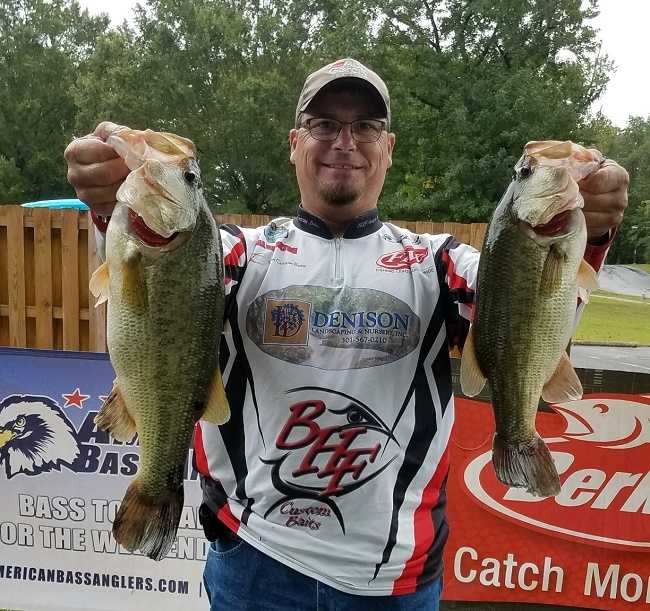
William Hamilton of Huntingtown, Maryland takes the win on the Potomac River for AFT D11 on September 22nd and 23rd, 2018. On day one he weighed a respectable limit of five-fish that went 13.63 pounds with a 4.03-pound kicker. He went into the second day in second place less than a quarter pound behind the leader. On Sunday Bill caught the second largest limit of the tournament that went 15.70 pounds and the tournament, Big Bass of 4.99 pounds for a tournament, winning weight of 29.33 pounds. He sealed a margin of victory of 3 1/4 pounds over second place and won the $1000 first place prize.

“First, I like to thank my main sponsor, Denison Landscaping. This would not have even happened if it wasn’t for them. Cajun Custom Rods for making the best rods around, TH Marines Hydrowave and BHF Custom Baits. My go-to baits were Zoom brush hogs and BHF Custom Baits. Day one I used my BHF Thunder Jigs in and around flooded pads and flipped wood with Zoom brush hogs. Hitting only key spot in different places. Caught about 15 fish thru out the day but my biggest fish came off a drop shot on a hard grass edge. Day 2 the hard rain overnight washed out my day1 spot. I changed up and flipped docks for most of the day and drop shot the same hard grass line,” said Bill.

Michael Nutter brought in a limit of fish both days totaling 26.08 pounds.  He weighed in 12.55 pounds on the first day and another 13.53 pounds Sunday to finish in second place.

Michael Roselle also brought in a limit both days totaling in at 25.90 pounds. He caught a limit on Saturday that weighed 9.23 pounds followed by the largest limit of the tournament Sunday at 16.67 pounds. With a Third place finish, he secured the 2018 Angler of the Year title for Division 11.

For more information on this Division, event or any future event please contact Scott Randall at (540)421-1120.

These anglers are earning valuable points toward the divisional angler of the year title. The points champion from each division will compete in the annual Ram American Bass Anglers AFT Angler of the Year Final Round at the  American Fishing Tour National Championship.

The American Fishing Tour offers low cost, close to home bass tournaments that are designed for the weekend angler. All ABA anglers fish for money and points. The points advance the angler to their divisional championship and the top 500 anglers in the US are invited to the American Fishing Tour National Championship. For more information on American Bass Anglers please visit www.americanbassanglers.com or call (256)232-0406.

American Bass Anglers, Inc. is supported by, Triton Boats, Mercury Outboards,  GEICO, Berkley, Abu Garcia, T-H Marine, Maui Jim, Power Pole,  Garmin,  and SiriusXM Marine Weather. American Bass Anglers, Inc. can be contacted at (256) 232-0406 or by visiting americanbassanglers.com

Finesse Hooks and Top-Water Baits Help Rapala Pros to Top-10 Finishes this Year – RAPALA

0

Finesse hooks and top-waters put big bass in the boats of Rapala® pros this year, from one end of the country to the other. Key baits in numerous top-10 Bassmaster tournament finishes were VMC® Neko Hooks, Terminator® Walking and Popping Frogs, Storm® Arashi Cover Pop, Chug Bug® series and Top Walkers.

Key fish in the Bassmaster season came also on VMC Stand-Up Shaky Head Jigs and Sureset Drop Shot Hooks, Terminator Pro Series Jigs, Rapala BX® Brats and Shadow Rap® series. VMC, Terminator and Storm are all Rapala Respected Brands.

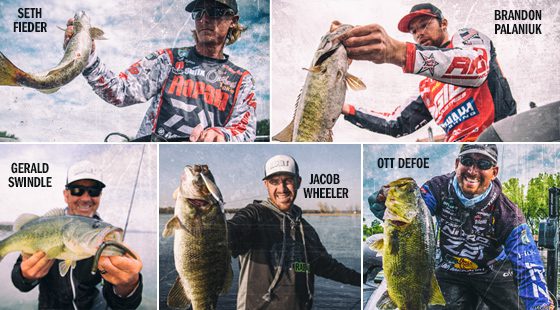
With such a wide variety of great baits in their arsenals, three Rapala pros finished in the top 10 of the Bassmaster Elite Series Angler of the Year race. Ott DeFoe finished 4th, 2017 Angler of the Year Brandon Palaniuk placed 8th, and Jacob Wheeler finished 9th. Rapala pros Michael Iaconelli and Seth Feider finished in the top 20, at 17th and 18. More than 100 anglers competed in the Elite Series this season.

Another Great Year for Neko Hooks
Starting with the Bassmaster Classic in February, 2018 was another strong year for VMC’s Neko Hook. First, Classic Champion Jordan Lee credited a VMC Weedless Neko Hook for keeping key bass buttoned on (a notable shout-out, considering he’s not sponsored by Rapala or VMC). Wheeler finished seventh in the Classic, having caught several key fish wacky-rigging a Weedless Neko Hook.

Then in June, Wheeler drop-shotted VMC Finesse Neko Hooks to place 7th in a Bassmaster tournament on South Dakota’s Lake Oahe. He finished better than 101 of the best anglers in the world – many of whom didn’t catch a 5-bass limit on one or more days, often due to fish coming unhooked boatside.

“I lost only one bass all week, and I caught a hundred-plus smallmouth,” Wheeler said. “With these new Finesse Neko Hooks, I didn’t have to worry about those fish going crazy and jumping off. … That hook is no doubt, by far, the best hook for finesse tactics ever made.”

In an August Bassmaster derby in New York, smallmouth were again hard to keep hooked for anglers who didn’t arm their drop-shot rigs with VMC Neko Hooks. But losing fish wasn’t an issue for Palaniuk and Feider, who used the VMC advantage to place 7th and 10th out of 107 competitors.

“With a lot of finesse-style hooks, you end up skin-hooking the fish on the roof of the mouth,” Feider explained. “The Neko Hook, it doesn’t skin-hook ‘em – it punches solid meat every time. … Every fish you set into is pinned perfect.”

Neko Hooks, Weedless Neko Hooks and Finesse Neko Hooks all feature a black-nickel finish, wide gap, 3-degree offset point, resin-closed eye and a forged, long shank. “The diameter gauge on it is perfect, it’s super sharp and it’s got that little offset bend to it, which is key,” Feider said.

Fun with Frogs
Fishing in his first-ever Bassmaster Classic in February – in only his third year on the Elite Series – Feider placed 18th out of 52 world-class anglers. In addition to a wacky-rigged Neko Hook, his key bait was a Terminator® Popping Frog.

“By varying your retrieve cadence and how much slack you give it on the stop, you can make a Popping Frog attract fish in different ways,” Feider explained.

In June, a Bassmaster tournament on the Mississippi River between Wisconsin and Minnesota became a “Frog Fest.” Three Rapala pros threw Terminator Walking Frog Juniors en route to top finishes in the 107-angler field – Randall Tharp (3rd place), Wheeler (5th) and DeFoe (13th).

At 2-1/2 inches, the Walking Frog Jr. is half an inch shorter than its big brother, the Terminator Walking Frog. “When bass are feeding on smaller forage, they’ll often eat the smaller frog better,” DeFoe explained.

In September, DeFoe scored big again with a Walking Frog Jr, winning his third Bassmaster Open on Tennessee’s Douglas Lake in as many years. “It was subtle, it stayed in the fish’s face and I could fish it anywhere I could throw it,” he said.

Terminator Walking Frogs feature a custom VMC frog-gap hook that hugs the bait’s body so snugly that it’s virtually snagless, even in heavy cover. “I was skipping that frog over limbs, under overhanging trees, root balls and undercut banks, little shade pockets, and then working it as slow as I could,” DeFoe said after his most-recent win on Douglas.

All three Terminator frogs feature lifelike detail from nose to skirt. Each is tail-weighted to increase casting distance and stability on the retrieve and features lifelike round-rubber legs and heavy-duty welded line ties. They each include a drain hole that removes water before every cast.

Tossin’ Storm® Topwaters
Fishing more methodically than the competition helped Rapala Pro Gerald Swindle to a 2nd-place finish this June in a tough Bassmaster tournament on the Sabine River system in Texas. Supplementing a deliberate finesse game with a Storm Arashi Cover Pop topwater retrieved “painfully slow” was a difference maker, rewarding him with two 4-pounders.

“The slower I fished it, the bigger they got and the better they got it,” Swindle said.

Palaniuk also fished a Cover Pop on the Sabine, finishing 7th out of 108 competitors. Bass just can’t ignore the bait’s “bloop,” he said – “It sounds like a little baitfish, a little bream, eating on the surface.”

Arashi® Cover Pop

In September, Wheeler and Palaniuk slung some other Storm topwaters to place third and ninth in Bassmaster action on Lake Chatuge, a reservoir on the Georgia-North Carolina border.

Wheeler threw a size 11 Rattlin’ Saltwater Chug Bug in the Metallic Silver Mullet color pattern. Palaniuk threw a size 13 Arashi® Top Walker in the Pro Blue pattern. Both baits mimicked one of Chatuge’s main forage species, blueback herring, which doesn’t generally relate to the lake bottom, but rather roams far and wide high in the water column. Big schools of spotted bass will follow schools of bluebacks, suspending under them and feeding up.

Rattlin’ Saltwater Chug Bug

Arashi® Top Walker

“So that Chug Bug was perfect for that,” Wheeler said. “It made a lot of noise and had a lot of flash and I could pull those fish up from 15 to 17 feet out of schools of 20 or 30 fish. If one didn’t get it, another one would try to get it.”

Storm’s Rattlin’ Saltwater Chug Bug is a bit longer and heavier than a freshwater Chug Bug. But both models are tail-weighted to enable long casts and feature a spitting, darting and chugging action that perfectly imitates fleeing, panicking baitfish.

Palaniuk’s best bait on Chatuge was a Storm Arashi Top Walker. It attracts bass from afar with a long-glide/walk-the-dog action, a powerful wake and a multiple-rattle sound. They feature four bearings that broadcast a variable-pitch frequency, mimicking the sound of schooling baitfish.

In clear water like that in Lake Chatuge, Palaniuk fishes a Top Walker “extremely fast,” he said. “Because those fish, they’re sight feeders and moving that bait helps me get more strikes,” he explained.

Swindle’s Finesse Game
Key in Swindle’s 2nd-place finish on the Sabine River system was a finesse game reliant on VMC Stand-Up Shaky Head Jigs and VMC Sureset Drop Shot Hooks.

The Sabine system challenged anglers with brackish water (a mix of seawater and freshwater), tidal water-level fluctuations, and a population of more small bass than big ones. Additionally, conditions were uncomfortably hot for man and bass alike. Water temps were in the 90s for much of the tournament.

Drop-shotting with a 1/0 VMC Sureset Drop Shot Hook, Swindle caught and landed a 6-pound Sabine stud. A 4 ½-pounder came on a 3/16th oz. VMC Stand Up Shaky Head Jig in the same area.

Who Brought the Brats?
Swindle, Palaniuk and DeFoe each caught key Sabine bass on a Rapala BX Brat.

“You can’t ask for much else in a small crankbait,” DeFoe said. “It casts like a dream and triggers reaction bites by bouncing off of cover really, really well.”

BX Brats boast a balsa-wood core encased in a brawny hard-plastic shell. That allows you to bounce ‘em off hard cover and structure without getting beat up a bunch or hung up often. And like all Rapala balsa baits, BX Brats float up and back out of cover well, minimizing snags.

To fish a BX® Brat most effectively, bang it into shallow cover like rocks, downed trees and dock posts. Cast it as parallel to the shore as you can and ensure it makes bottom contact throughout the majority of your retrieve. Retrieve it directly into and over whatever heavy cover you can find.

Success with the Shadow Rap® Deep
By the time you determine bass will only eat one bait, it won’t be long before they begin ignoring it and eating something else – especially in multiple-day fishing tournaments on small, heavily pressured waterbodies. So it’s best to rig up some “Plan B” baits and reach for them at the right time. Wheeler did just that on Chatuge, switching to a Rapala Shadow Rap Deep after catching most of his fish on his Chug Bug.

“They weren’t just seeing my Chug Bug, they were seeing every topwater known to man,” Wheeler said of Chatuge’s spotted bass. “So on the last day, I realized I needed to switch it up. And that’s when I picked up that Shadow Rap Deep. That was the main player that last day – I caught all of my fish I weighed on it.”

With so many anglers throwing topwaters at the same schools of spotted bass, the fish eventually grew wary of them, Wheeler says. That’s why he started throwing a Shadow Rap Deep in the Ghost Shiner color pattern.

“On that last day especially, you really had to have something a little bit different that those fish hadn’t seen,” he said. “So I would jerk that Shadow Rap Deep through them really fast to get them to react.”

While most jerkbaits follow a forward trajectory with each twitch of the rod tip, a Shadow Rap will dart side to side and, with a certain jerk, spin around almost 180 degrees. “That bait does stuff that not another bait out there in the market does,” Wheeler says.

See VMC® Neko Weedless Hook

See VMC® Neko Hook

See Terminator® Popping Frog

See Terminator® Walking Frog Jr.

See Storm® Rattlin’ Saltwater Chug Bug

See Storm® Arashi® Top Walker

See VMC® Stand-Up Shaky Head Jig

See Rapala® BX® Brat

See Rapala® Shadow Rap® Deep

FLW TAPS HUNT AS NEW HIGH SCHOOL FISHING DIRECTOR, ANNOUNCES SCHEDULE, RULES AND ENTRY DATES FOR 2019 YETI FLW COLLEGE FISHING, BASS PRO SHOPS FLW HIGH SCHOOL FISHING

FLW TAPS HUNT AS NEW HIGH SCHOOL FISHING DIRECTOR, ANNOUNCES SCHEDULE, RULES AND ENTRY DATES FOR 2019 YETI FLW COLLEGE FISHING, BASS PRO SHOPS FLW HIGH SCHOOL FISHING

Both Members of Winning Team at YETI FLW College Fishing National Championship Advance to the Forrest Wood Cup, Second, Third and Fourth-place Teams Advance to the T-H Marine BFL All-American to Compete as Boaters.

[print_link]

MINNEAPOLIS (Oct. 4, 2018) – FLW announced Thursday the schedule, rules and entry dates for the 2019 YETI FLW College Fishing and Bass Pro Shops FLW High School Fishing seasons, highlighted by expanded FLW Live on-the-water coverage at the 2019 FLW College Fishing National Championship on the Potomac River in Marbury, Maryland, new advancement opportunities for young anglers to compete in the T-H Marine BFL All-American, Costa FLW Series Championship and the FLW Cup, and implementation of a new National School of the Year title, as well as titles in each individual conference.

Among the changes for FLW College Fishing in 2019 is the elimination of the National Championship Fish-Off. Now both members of the winning team at the YETI FLW College Fishing National Championship will advance to the FLW Cup where they are each guaranteed $10,000 plus a shot at winning $300,000. Both members of the second, third, and fourth-place teams at the 2020 National Championship will advance to the T-H Marine BFL All-American to compete as boaters where they are guaranteed $1,500 plus a shot at winning $120,000. Both members of the fifth and sixth-place teams at the 2020 National Championship advance to the All-American to compete as co-anglers where they are guaranteed $750 plus a shot at winning $60,000. Additionally, each angler finishing in the top 10 at the 2020 National Championship receives priority entry into the 2021 FLW Series.

Each FLW College Fishing angler competing in the All-American has a chance to qualify for the FLW Series Championship plus a second shot at qualifying for the FLW Cup.

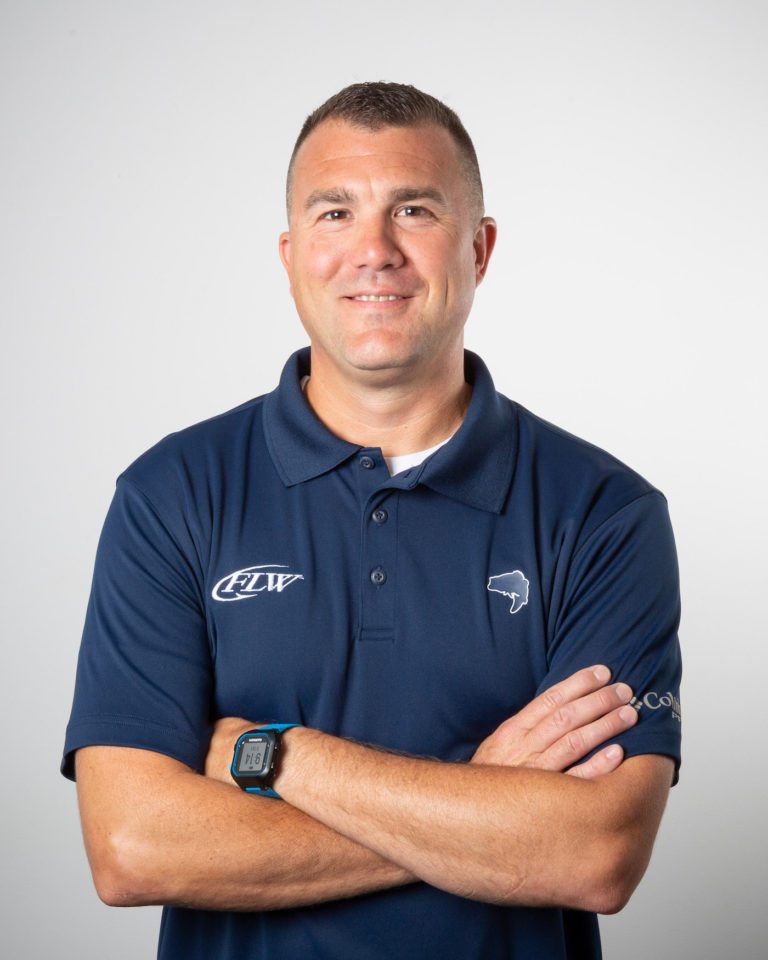
“I am excited for the 2019 season and am confident that it will be the biggest and best College Fishing season yet,” said Kevin Hunt, Director of Tournament Operations, College and High School Fishing. “The fact that both anglers from the National Championship winning team will now advance to the FLW Cup, along with multiple qualifiers to the BFL All-American, is a fantastic opportunity for the teams and something that no other circuit can offer. I expect that these improvements will be very well received by college anglers, and I’m looking forward to getting the season kicked off in early February on Lake Seminole in Bainbridge, Georgia.”

In addition to FLW Live on-the-water coverage at the FLW College Fishing National Championship, each regular-season tournament and the Open will feature FLW Live weigh-in coverage.


Other improvements to the program include new YETI FLW College Fishing School of the Year titles, awarded to the top overall school of the season as well as the top school from each of the five conferences. Schools earn points based on their top two teams in each tournament. The school with the most points in each conference and overall at the end of the season win.


All FLW College Fishing anglers are now eligible for FREE Bass Pro Shops FLW Tournament Incentives at basspro.com/flwincentives. FLW College Fishing anglers receive a VIP discount card for 25 percent off Bass Pro Shops branded merchandise all year plus tournament bonuses. A nominal entry fee of $75 per team will be implemented for each event. Entries will be accepted starting Dec. 10 2018. Teams can register at FLWFishing.com or by calling 270.252.1000.


FLW College Fishing teams compete in three regular-season qualifying tournaments in one of five conferences – Central, Northern, Southern, Southeastern and Western. The top ten teams from each division’s three regular-season tournaments and the top 20 teams from the annual FLW College Fishing Open advance to the following year’s FLW College Fishing National Championship. Additional teams qualify for the National Championship if the field size in regular-season events exceeds 100 boats or 200 boats in the Open. The 2019 YETI FLW College Fishing National Championship is on the Potomac River, June 4-6, and hosted by the Charles County Board of Commissioners and the Department of Recreation, Parks and Tourism.

For 2019 FLW College Fishing tournaments in the Central, Northern, Southern and Southeastern conferences will be held on Fridays. Western conference tournaments will continue to be held on Saturdays.

2019 FLW College Fishing Schedule:

FLW College Fishing Open

  • March 12-13                       Kentucky Lake                    Gilbertsville, Ky.

Central Conference

  • April 12                               Lake Cumberland               Burnside, Ky.
  • July 19                               Mississippi River                Wabasha, Minn.
  • Oct. 18                                Lake of the Ozarks             Osage Beach, Mo.

Northern Conference

  • April 26                              Smith Mountain Lake         Huddleston, Va.
  • May 31                               Chesapeake Bay                Edgewood, Md.
  • Sept. 6                               Lake Erie                            Sandusky, Ohio


Southeastern Conference

  • Feb. 8                                 Lake Seminole                   Bainbridge, Ga.
  • March 1                              Lake Guntersville               Guntersville, Ala.
  • Nov. 1                                Lake Hartwell                     Hartwell, Ga.


Southern Conference

  • Feb. 22                               Sam Rayburn Reservoir     Zavalla, Texas
  • April 5                                 Lake Texoma                     Pottsboro, Texas
  • Sept. 20                             Arkansas River                   North Little Rock, Ark.


Western Conference

  • March 2                              Lake Mead                         Las Vegas, Nev.
  • May 18                               Clear Lake                          Lakeport, Calif.
  • Sept. 28                             California Delta                   Bethel Island, Calif.


FLW College Fishing National Championship

  • June 4-6                             Potomac River                    Marbury, Md.

2019 FLW College Fishing Payouts:

YETI FLW College Fishing Open

Place                                 Club                            

1                                  $30,000 Ranger Z175 with a 115-horsepower outboard

Top 20 teams advance to the 2020 National Championship. One additional team advances for every 10 teams over 200 competing.


Qualifiers

Place                                 Club                            

1                                    $2,000

2                                      1,000

3                                          500

4                                          500

5                                         500                                                                

Top 10 teams advance to the 2020 National Championship. One additional team advances for every 10 teams over 100 competing.


2019 National Championship – No Entry Fee                           

Place                                 Club

1               $30,000 Ranger Z175 with a 115-horsepower outboard + 2019 FLW Cup entry

2                                       5,000

3                                       4,000

4                                       3,000

5                                       2,000


Both members of the winning team advance to the 2019 FLW Cup where they are guaranteed $10,000 and can win as much as $300,000.

Complete rules for the 2019 YETI FLW College Fishing program can be found online at FLWFishing.com.

In addition to his FLW College Fishing duties, Hunt has been tapped to lead FLW’s High School Fishing tournaments. He succeeds tournament director Dave Maxfield, who will lead two BFL divisions as tournament director.

Hunt has served as an FLW tournament director since 2004 and overseen the implementation and growth of the FLW College Fishing circuit since its implementation in 2008.

“I’m thrilled for the opportunity to continue to work with college anglers and look forward to helping cultivate the next generation of anglers through the FLW High School Fishing program,” Hunt said. “I expect the transition will be near seamless, and I am excited to introduce myself to and work with the hundreds of high school fishing teams and coaches along with the tens of thousands of young anglers participating in High School Fishing.”

To foster mentoring opportunities between college and high school teams and introduce High School Fishing anglers to college opportunities awaiting them as they continue their education, all Bass Pro Shops FLW High School Fishing Opens will be held on Saturdays following a YETI FLW College Fishing tournament. This will allow students and parents to network with prospective college teams and coaches during Friday’s registration immediately following the college weigh-ins. California and Nevada tournaments will be held on Sundays with registration on Saturdays following college weigh-ins.

FLW also unveiled an unprecedented new opportunity for high school anglers participating in the Bass Pro Shops FLW High School Fishing Opens and The Bass Federation/Student Angler Federation State Championships and Challenge tournaments to advance to the BFL All-American as co-anglers. In addition to receiving a $10,000 scholarship ($5,000 per student), both members of the winning team at the 2019 High School Fishing National Championship qualify to compete as co-anglers in the 2020 All-American, where they are each guaranteed $750 and can win as much as $60,000. Students must be at least 16 years old as of the 2020 All-American or the next highest finishing student who meets age requirements will advance.

All FLW High School Fishing anglers are eligible for FREE Bass Pro Shops FLW Tournament Incentives, including valuable tournament bonuses. Sign up at basspro.com/flwincentives.


2019 Bass Pro Shops FLW High School Fishing Opens Schedule:

  • Feb. 9                                 Lake Seminole                   Bainbridge, Ga.
  • Feb. 23                               Sam Rayburn Reservoir     Zavalla, Texas
  • March 2                              Lake Guntersville               Guntersville, Ala.
  • March 3                              Lake Mead                         Las Vegas, Nev.
  • April 6                                 Lake Texoma                     Pottsboro, Texas
  • April 13                               Lake Cumberland               Burnside, Ky.
  • April 27                               Smith Mountain Lake         Huddleston, Va.
  • May 19                               Clear Lake                          Lakeport, Calif.
  • June 1                                Chesapeake Bay                Edgewood, Md.
  • July 20                                Mississippi River                Wabasha, Minn.
  • Sept. 7                                Lake Erie                            Sandusky, Ohio
  • Sept. 21                              Arkansas River                   North Little Rock, Ark.
  • Sept. 29                              California Delta                   Bethel Island, Calif.
  • Oct. 19                                Lake of the Ozarks             Osage Beach, Mo.
  • Nov. 2                                 Lake Hartwell                     Hartwell, Ga.

2019 High School Fishing World Finals and National Championship

All FLW and TBF High School Fishing tournaments are free to enter. The tournaments are two-person (team) events for students in grades 7-12 and open to any Student Angler Federation-affiliated high school club. The top 10 percent of teams in each tournament advance to the High School Fishing National Championship. Tournaments held before June 9, 2019, advance teams to the 2019 National Championship. Tournaments held after June 9, 2019, advance teams to the 2020 National Championship. All participating teams automatically qualify to compete in the High School Fishing World Finals for more than $150,000 in scholarships and prizes. Visit FLWFishing.com and HighSchoolFishing.org for schedules.

For complete details and updated information visit FLWFishing.com. For regular updates, photos, tournament news and more, follow YETI FLW College Fishing and the Bass Pro Shops FLW High School Fishing Opens on FLW’s social media outlets at Facebook, TwitterInstagramYouTube and Snapchat.

FLW ANNOUNCES 2019 T-H MARINE BASS FISHING LEAGUE SCHEDULE, NEW ADVANCEMENT OPPORTUNITIES

FLW ANNOUNCES 2019 T-H MARINE BASS FISHING LEAGUE SCHEDULE, NEW ADVANCEMENT OPPORTUNITIES

Beat Five Anglers From Your Regional at the All-American and Advance to the FLW Series Championship

[print_link]

MINNEAPOLIS (Oct. 2, 2018) – FLW announced today the schedule, rules and increased regional payouts for the 2019 T-H Marine Bass Fishing League (BFL), which includes the opportunity to fish 10 no-entry-fee championships awarding more than $3 million. Fishing the BFL puts local anglers in front of the largest fan base in the sport with coverage on FLWFishing.com and FLW’s social media outlets, including Facebook, Instagram, Snapchat and Twitter, that reach more than 1 million fans each month. Boaters and co-anglers also have the convenience of fishing close to home for advancement to seven BFL Regional Championships, the T-H Marine BFL All-American and the Forrest Wood Cup, plus a new opportunity to advance directly to the Costa FLW Series Championship.

  • The top 45 boaters and co-anglers plus qualifying tournament winners in each division advance to Regional Championships.
  • Enter all five events in a division, fish at least two and automatically advance to the Wild Card Regional.
  • The top six boaters and co-anglers from each Regional Championship and the Wild Card Regional advance to the All-American.
  • The highest-finishing boater and co-angler from each Regional Championship and the Wild Card Regional at the All-American advance to the FLW Series Championship – you only have to beat five anglers from your regional to advance.
  • The winning boater at the All-American advances to the FLW Cup.
  • The winning boater and co-angler at the FLW Series Championship advance to the FLW Cup. The winning co-angler also receives use of a Ranger Z520L from the championship through the FLW Cup to fish as a pro. Minimum payout at the FLW Cup is $10,000.

For 2019 BFL anglers are eligible for FREE Bass Pro Shops FLW Tournament Incentives at basspro.com/flwincentives. BFL anglers receive a VIP discount card for 25 percent off Bass Pro Shops branded merchandise all year plus incredible tournament bonuses. Lucrative bonuses are also available from Ranger, Triton, Nitro, Evinrude, Mercury, Costa, Leer, Toyota, Power-Pole, T-H Marine and other FLW sponsors.


Guaranteed no-entry-fee Regional Championship payouts have increased to $70,000 for winning boaters and $50,000 for winning co-anglers, up from $65,000 and $45,000 in 2018. Each regional payout includes $10,000 for second and $5,000 for third on the boater side and $5,000 for second and $2,500 for third on the co-angler side. The top 24 boaters and co-anglers in each regional receive checks.

The 2019 All-American will feature FLW Live on-the-water coverage just like the FLW Tour to showcase BFL anglers and their sponsors to FLW’s worldwide audience. FLW Live weigh-in coverage will also be available from every BFL tournament in 2019 for enhanced media coverage at every level.

Entry fees have increased slightly to $300 per qualifier for boaters and $150 per qualifier for co-anglers. Super tournament entry fees remain the same at $350 for boaters and $175 for co-anglers. The popular “Win and You are In” format that automatically qualifies the winners from each of the 96 one-day qualifying tournaments and 24 two-day super tournaments to the Regional Championships along with the top 45 boaters and co-anglers from each division based on point standings remains unchanged. In the BFL, anglers are never out of contention for advancement to a no-entry-fee championship.

“FLW was founded on providing affordable, close-to-home weekend tournaments for bass anglers,” said T-H Marine BFL tournament director Daniel Fennel. “BFL anglers are the heart and soul of FLW, and we take great pride in providing them with the best possible tournaments along with a clear pathway for advancement to the sport’s next levels – namely the Costa FLW Series and the FLW Tour. Nowhere else do anglers have the opportunity to fish five close-to-home tournaments with a shot at advancing to not just one, but three of the sport’s biggest championships, the All-American, FLW Series Championship and FLW Cup, where a BFL angler can win a total of $520,000.”

For the complete 2019 BFL schedule, rules and payouts, visit FLWFishing.com.

The BFL is the nation’s largest and most rewarding weekend bass-fishing circuit. Nobody offers better rewards and media coverage to local anglers for a lower cost to compete. The top 45 boaters and co-anglers from each division and tournament winners receive priority entry into the 2020 Costa FLW Series while All-American champions may advance directly to the FLW Tour, the world’s most competitive professional bass-fishing circuit.

Anglers can register for the 2019 BFL season at FLWFishing.com or by calling 270.252.1000 on the dates listed below:

  • November 12, 2018 – Hoosier, Michigan, Music City and Volunteer
  • November 13, 2018 – Bulldog, Cowboy, Great Lakes, Illini and Mississippi
  • November 14, 2018 – Bama, Buckeye, Choo Choo, Mountain and Ozark
  • November 15, 2018 – Arkie, LBL, North Carolina, Northeast and Okie
  • November 16, 2018 – Gator, Piedmont, Savannah River, Shenandoah and South Carolina

For complete details and updated information visit FLWFishing.com. For regular updates, photos, tournament news and more, follow the sport’s top anglers on FLW’s social media outlets at FacebookTwitterInstagramYouTube and Snapchat.